Last updated October 30, 2026
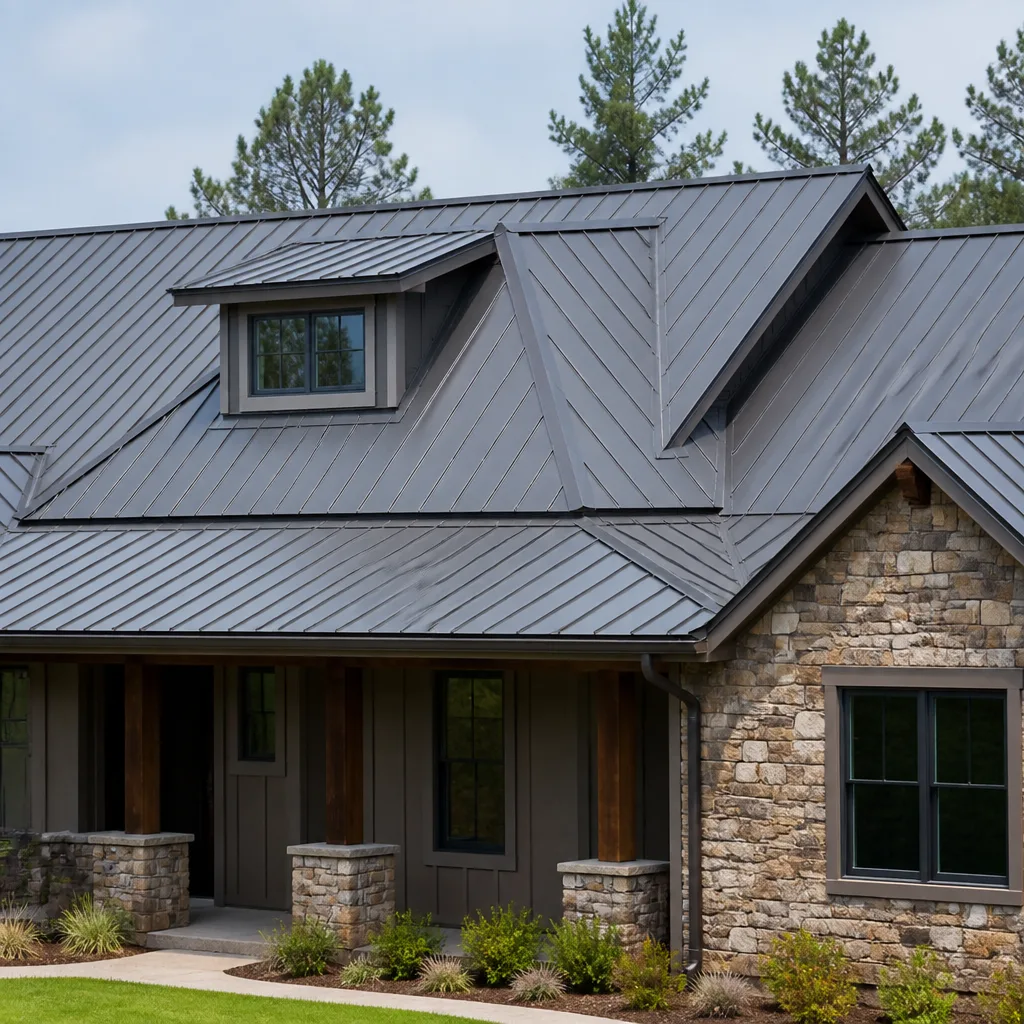 Metal roofing
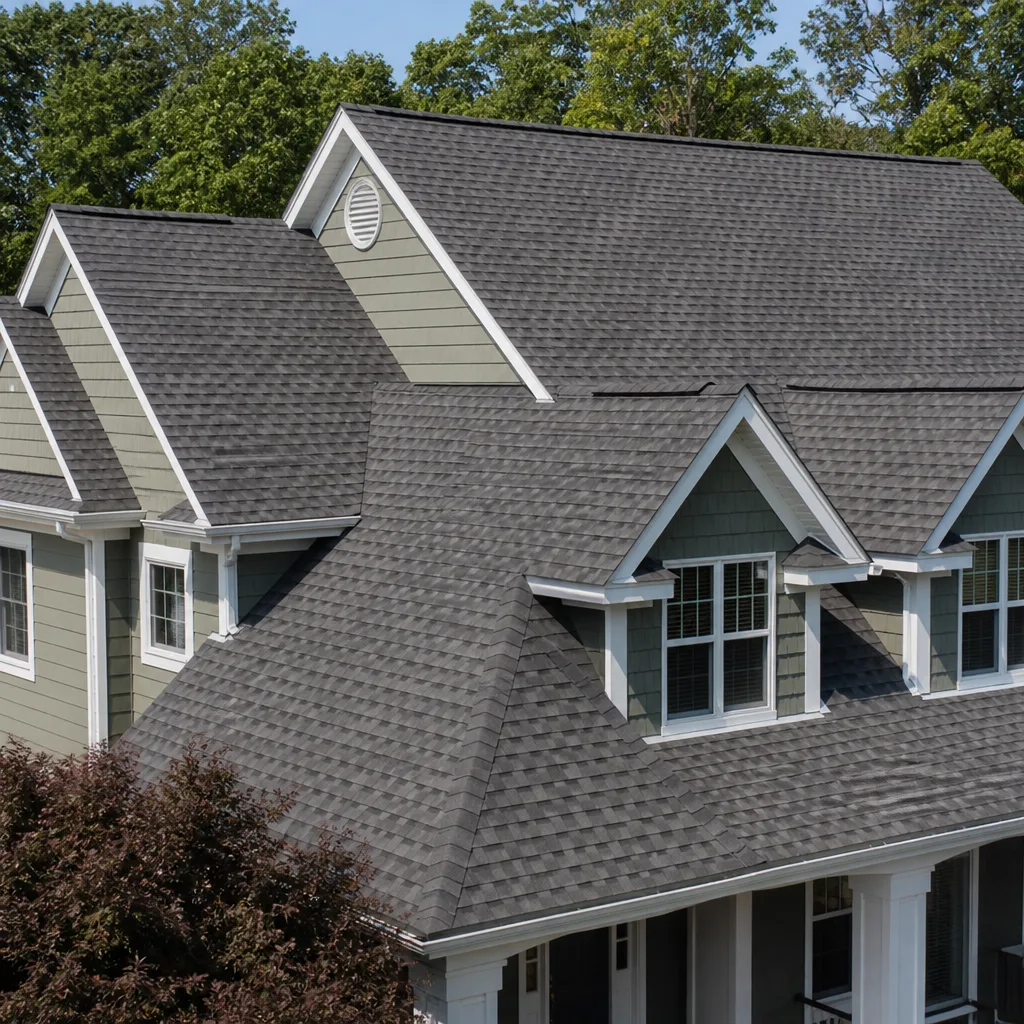 Architectural shingles
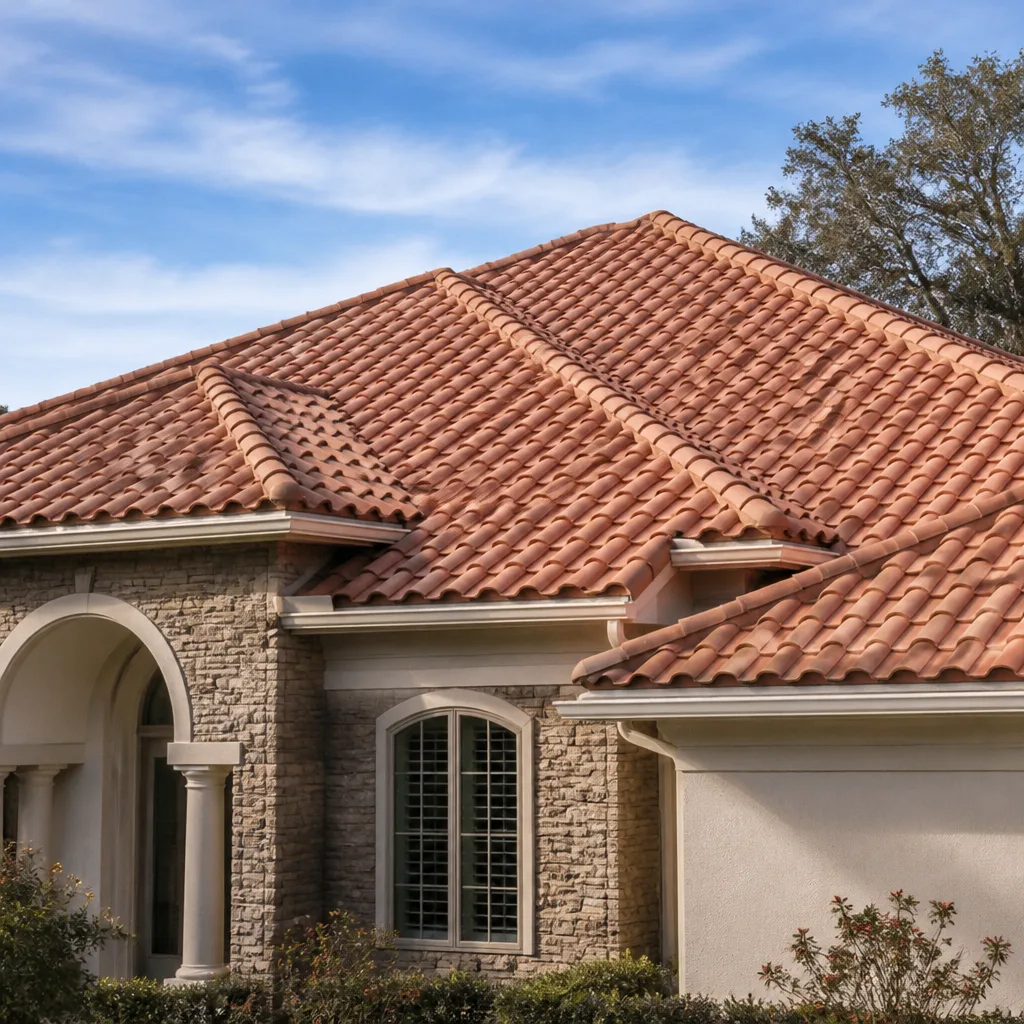 Tile roofing
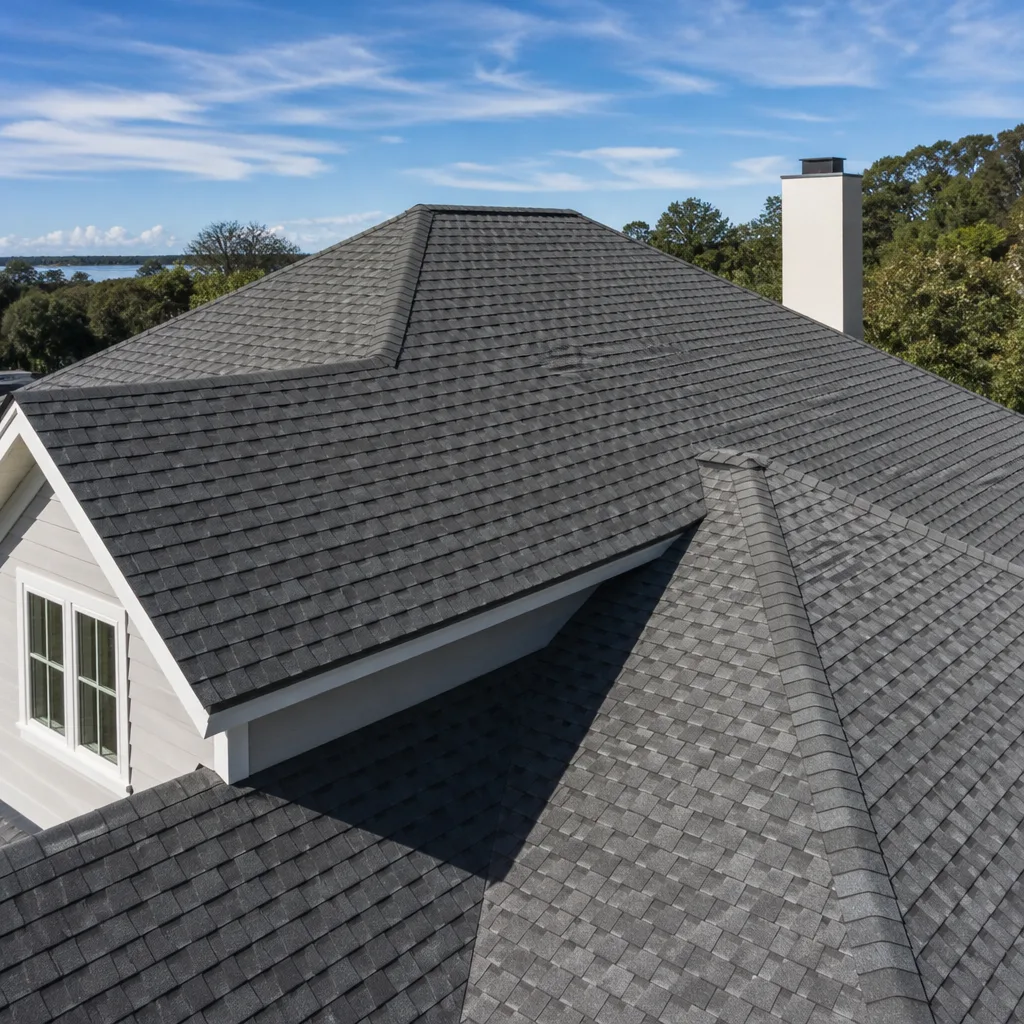 GAF
 Owens Corning
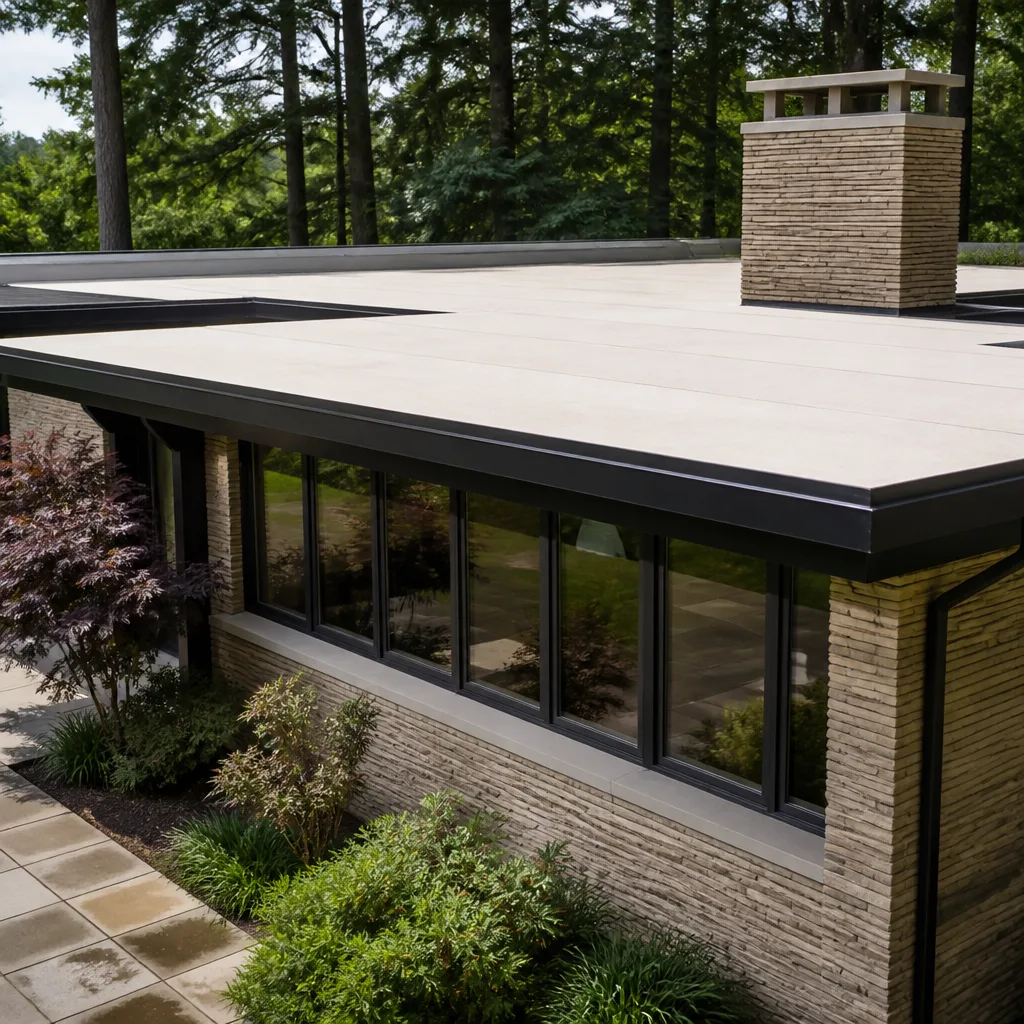 Flat & low-slope
Free roof inspection with deck photos before we talk money - GAF and Owens Corning certified installation
Roofing Emergency Preparedness Guide for Yorba Linda Homes
Here’s a number most Yorba Linda homeowners don’t think about until it’s too late: a standard homeowner’s insurance policy in California typically requires you to report storm damage within 24 to 48 hours of discovery, and the adjuster’s first question will be whether you took photos before moving anything. Miss that window or disturb the evidence, and a claim that should have been settled can turn into a denial. This guide covers the two emergencies Yorba Linda actually faces, Santa Ana wind damage and winter rain intrusion, and walks you through exactly what to do in the first hour, the first day, and the weeks after. No filler, no panic. Just the sequence that protects your home and your claim.
Styles & brands we work with
Quick Answer
The first hour after roof damage in Yorba Linda determines everything: photograph the damage before touching anything, tarp the affected area to stop water intrusion, call your insurance carrier within 24 to 48 hours, and get a local roofer to document the damage with photos before any repairs begin. Santa Ana wind damage is a sudden, insurable event that requires immediate documentation, while winter rain leaks often reveal pre-existing maintenance issues that insurance may not cover. Knowing which one you’re dealing with changes who you call and what you say.
Table of Contents
- Santa Ana Wind Damage: The First 60 Minutes
- Emergency Tarping on Tile Roofs: Why the Technique Is Different
- What Counts as an Emergency Repair Under California Insurance
- Winter Rain Leaks vs. Santa Ana Wind Damage: Two Different Emergencies
- Pre-Season Preparation: Know Your Roof Before Storm Season
- Storm Chasers in Yorba Linda: How to Spot Them Before You Pay Them
- Documenting Roof Damage for Your Claim: The Exact Sequence
- Yorba Linda Neighborhood Risk Profiles: What Your Street Faces
- Common Mistakes to Avoid
- When to Call a Professional
- Frequently Asked Questions
- The Bottom Line
Santa Ana Wind Damage: The First 60 Minutes
Every fall, the Santa Ana winds arrive in Yorba Linda, and every fall we get the same phone call: a homeowner standing in their backyard, holding a piece of ridge cap, asking what to do next. The winds in the Santa Ana Canyon corridor routinely hit 40 to 60 mph, with gusts that have exceeded 80 mph in East Lake Village and Bryant Ranch. Those gusts don’t just lift shingles. They tear ridge cap, dislodge tile, and can peel flashing away from chimneys and skylights.
Here’s the sequence that protects you:
- Photograph everything before you touch anything. Use your phone, take wide shots and close-ups. The adjuster needs to see the damage in context, not after you’ve stacked tiles neatly on the driveway. Take photos of the roof, the debris in the yard, and the fence line where roofing material landed.
- Walk the perimeter from the ground. Don’t climb onto the roof. Santa Ana winds leave hidden damage: lifted shingles that look fine from below, cracked tile that hasn’t shifted yet, nails pulled loose. From the ground, you’re looking for debris in the yard, bent flashing, missing pieces, and anything hanging from edges.
- Call your insurance carrier now. Not tomorrow. Not after you get a quote. Most California policies carry a notice-of-loss requirement, and while “promptly” is the language they use, adjusters interpret prompt as 24 to 48 hours. We’ve seen claims where the carrier used a five-day delay to reduce a payout. That’s a call you don’t want to make after the fact.
- Call a local roofer for emergency tarping and documentation. Your carrier will ask for photos and an assessment. A roofer who knows Yorba Linda’s tile profiles and code requirements can provide both. This is not the time to wait for an out-of-town storm chaser who worked his way down the 91 and won’t return your call in March.
For immediate roof coverage after wind damage, our Roof Repair in Yorba Linda page walks through what a targeted repair looks like, from emergency tarping to permanent fix, and what you should expect to pay in this market.
Emergency Tarping on Tile Roofs: Why the Technique Is Different
Most of the tarping advice you’ll find online is written for asphalt shingle roofs. Yorba Linda is predominantly a tile roof market, with concrete and clay tile from Boral and other manufacturers across much of Bryant Ranch, East Lake, and the older sections of town. Tarping a tile roof incorrectly causes secondary damage that insurance won’t cover, because it’s damage you caused, not the storm.
Here’s what changes with tile:
- Anchor placement matters more than shingle. On shingle roofs, you can nail furring strips directly through the shingles. On tile, you’re anchoring into the decking beneath, and the anchor points have to be sealed. Screw through the tile at the wrong angle and you’ve cracked six more tiles and created a new leak path.
- Tile roofs need a ridge-to-eave tarp. Because tile overlaps, water channels down the roof. A partial tarp that stops mid-slope funnels water sideways into the underlayment. The tarp has to run from ridge to eave, tucked under the remaining ridge cap where possible.
- Foot traffic is the bigger risk. Tile cracks under concentrated weight. We walk tile roofs on battens and know where to step, which is most of the reason emergency tarping on tile is a two-person job with experienced roofers. A broken tile from a misstep during tarping becomes a new leak you didn’t have before the storm.
- Underlayment exposure is the hidden clock. When Santa Ana winds pull tiles off, the underlayment beneath is now exposed to UV and water. The tarp buys you time, but in Yorba Linda’s sun, an exposed underlayment degrades within weeks, not months. The tarp is temporary, not a fix.
We work across all seven major roofing manufacturers, including Boral and GAF, which means when we come out for an emergency assessment in Yorba Linda, we can identify the exact tile or shingle you have and tell you whether it’s still made, still stocked, or needs a color-match alternative. That matters when an adjuster is deciding between replacing three tiles or writing a full slope repair.
What Counts as an Emergency Repair Under California Insurance
California insurance law draws a line that surprises every homeowner the first time they hear it: your policy covers sudden and accidental damage, not deferred maintenance. A tile that blew off during a Santa Ana wind event is a covered sudden event. A tile that cracked three years ago, slowly let water through the underlayment, and finally showed up as a ceiling stain this winter is a maintenance leak, and the carrier’s adjuster will likely call it exactly that.
Here’s the distinction as we’ve seen it applied in Yorba Linda claims:
- Covered events: Wind-lifted shingles or tiles from a recorded weather event, tree limbs striking the roof, debris impact, sudden water intrusion during a storm that overwhelms a previously sound roof, and fire-related roof damage during wildfire season in the foothills.
- Maintenance issues: Slow pipe boot deterioration, failed sealant around vents, aged underlayment under tile past its service life, granule loss on 20-year shingles, and flashing separation from normal expansion and contraction. These are the homeowner’s responsibility.
- The gray zone: A roof that was end-of-life and suffered additional damage in a storm. Insurers may pay for the storm portion but depreciate heavily for age. This is where documentation of your roof’s pre-storm condition becomes the difference between partial and full recovery.
Your policy also includes a duty to mitigate further damage. What that means practically: once you discover a leak or a hole in your roof, you’re obligated to take reasonable steps to stop additional damage. Tarping, moving furniture, and catching water in buckets counts. Waiting two weeks because you couldn’t get a roofer does not. We tell every Yorba Linda homeowner the same thing: document first, tarp second, and keep receipts. The tarping cost itself is often reimbursable as part of the claim.
Winter Rain Leaks vs. Santa Ana Wind Damage: Two Different Emergencies
A roof leak at 2 a.m. during a February rainstorm in Yorba Linda feels just as urgent as a Santa Ana wind event, but the response should be different. Wind damage is a discrete event with a defined date, a clear cause, and an insured loss. A rain leak is usually the symptom of something that’s been building for a while, and the insurance conversation is more complicated.
Here’s the practical difference in how you handle each:
- Santa Ana wind event: Document immediately, notify insurance within 48 hours, tarp the area, and get a structural assessment. The cause is external and sudden. You’re preserving your claim.
- Winter rain leak: Contain the water first, but before you call your carrier, get a roofer to find the actual entry point. If the roofer tells you it’s a failed pipe boot or old flashing, you may be better served paying for the repair out of pocket than filing a claim that could affect your premium for a $400 fix.
- The overlap case: Heavy rain after Santa Ana winds. If wind lifted shingles and the rain came in through those openings, that’s a weather sequence covered as one event. The documentation from the wind day becomes your evidence.
The baseline for any of this: know your roof’s condition before the claim. If you’ve had a professional roof inspection within the last twelve months, you’re negotiating from a documented starting point. If you haven’t, the adjuster will date your roof from the invoice you don’t have, and you’ll be on the back foot. This is precisely why we built Roof Inspection in Yorba Linda as a standalone service, not just a pre-sale step. It’s a diagnostic report you keep, and when the claim comes, the report answers questions the adjuster hasn’t asked yet.
Pre-Season Preparation: Know Your Roof Before Storm Season
Santa Ana season in Yorba Linda runs from late September through January, with peak wind events typically hitting in October and November. The winter rain window follows from December through March. That means every September, you have a narrow window to get your roof assessed before the wind arrives. Most homeowners skip it because the roof isn’t visibly leaking. Bad move.
A pre-season inspection doesn’t need to be expensive, and it doesn’t need to result in work. What it gives you is a dated record of your roof’s condition at a point in time, photographed and documented, before any storm event. If a wind claim happens in November, you now have an independent record from September showing your roof was sound. The adjuster’s “pre-existing damage” argument falls apart.
Things we check in a Yorba Linda pre-season inspection:
- Ridge cap adhesion on tile roofs, since ridge cap failure is the most common Santa Ana casualty.
- The condition of pipe boots and vent collars, the component most likely to fail during heavy winter rain.
- Flashing at chimneys, skylights, and wall intersections, where the majority of rain leaks enter.
- Underlayment exposure under any cracked or shifted tile from the prior season’s wind.
- Valley condition, because Yorba Linda’s varied rooflines create hundreds of valleys, and leaves from oak and pepper trees collect there and hold water against the metal.
We recommend this inspection annually, but if you’ve owned the home less than two years and have never had one, that’s the priority case. You’re inheriting the previous owner’s maintenance decisions, good or bad.
Storm Chasers in Yorba Linda: How to Spot Them Before You Pay Them
Within 48 hours of a significant Santa Ana wind event in Yorba Linda, you’ll see out-of-state trucks with magnetic signage, door-knockers with clipboards, and flyers promising free roof inspections. The storm chaser business model is real, and it works because wind events create urgency, urgency creates pressure, and pressure makes homeowners sign contracts they’d never sign on a random Tuesday.
Here’s what to look for before you commit to anyone after a storm:
- They show up uninvited, right after the event. A local contractor in Orange County doesn’t go door-to-door after a wind event. They’re busy with existing customers. Someone walking your street in Bryant Ranch within two days of a Santa Ana wind is working a pipeline, not a community.
- They ask for a down payment upfront. Established local roofers in Yorba Linda typically bill after work is complete, or structure payments as work milestones are reached. A contractor demanding a large deposit immediately after a storm is funding his trip to the next storm.
- They promise to handle the insurance claim for you. You can’t assign a claim to a contractor in California, and anyone saying they’ll “deal with the insurance company directly” is positioning themselves between you and your carrier in a way that rarely ends well for you.
- They can’t show you local work. Ask for three Yorba Linda addresses with completed roofs. If they can’t produce them, that’s your answer.
- Their phone number is out of state or a burner. Call it before they leave. If it routes to voicemail with a generic greeting, that’s the last time you’ll hear from them after the check clears.
- They push for a full replacement when a repair may be sufficient. This is the core of the scam. Storm chasers don’t make money on $1,800 repairs. They make money on full tear-offs billed against insurance. If the first conversation is about replacement before anyone has looked at the actual damage, you’re being sold, not diagnosed.
The contrast is simple: a local Yorba Linda contractor will still be there at 714- or 657-area code in six months, with a local address and a record of local work. We’ve been in this market long enough that our reputation walks into the room before we do. When we see repairable wind damage, we say so. A full Roof Replacement in Yorba Linda is a last resort, not a default. That’s not marketing language, it’s how we run the business.
Documenting Roof Damage for Your Claim: The Exact Sequence
Insurance claims follow a predictable rhythm, and the homeowner who wins is the one who documented everything in the right order. Here’s the sequence we recommend to every Yorba Linda homeowner after wind or rain damage:
- Photograph the exterior before anything is moved. Wide shots of the whole roof, then close shots of every damaged area. Use a ladder or stay at ground level, but get the angles the adjuster will want. Date and time stamp the photos.
- Photograph the interior. If water has entered, show the ceiling stain, the wet drywall, the damaged personal property. Don’t mop it up first. The water mark is evidence.
- Save all debris. Don’t throw away the tile that blew off, the shingle that landed in the yard, or the piece of flashing that was in the pool. Bag it and label it. The adjuster can match color, profile, and condition from that debris.
- Write down the timeline. When did you notice the damage? What day and time was the wind event? Which direction was the wind blowing? These details don’t feel important, but an adjuster assessing cause and origin will ask.
- Call your carrier and get a claim number. Do this before you call a contractor. Your policy requires prompt notice, and the claim number is how everything is tracked.
- Get a contractor’s written assessment. Ask for photos, measurements, and a written recommendation. This becomes your counter-documentation if the adjuster’s numbers come in low.
- Be present for the adjuster’s visit. Walk the property with them. If they miss something, point it out. They’re not your adversary, but they’re not your advocate either. You are.
One note specific to Yorba Linda: tile roofs can hide wind damage from ground level. A tile can crack but not shift, and the crack becomes a leak path in the next rain. If your neighbor’s roof showed damage after a Santa Ana event and yours looks fine from the ground, get someone on the roof to check. We find hidden wind damage on the leeward slopes and in valleys more often than homeowners expect.
Yorba Linda Neighborhood Risk Profiles: What Your Street Faces
Not every Yorba Linda home faces the same roof risks. The city’s topography puts different neighborhoods in different wind and water situations, and the age of the housing stock varies enough that roof conditions differ block by block. Here’s what we’ve observed across the city:
- The hillside communities (Bryant Ranch, East Lake, Travis Ranch): Maximum Santa Ana wind exposure on the west- and north-facing slopes. Ridge cap and tile lift are the recurring issues. Homes here also have more complex rooflines, which means more valleys and more flashing penetrations to maintain.
- The canyon corridor along the 91: The Santa Ana Canyon funnels wind, and homes in the corridor see higher sustained gusts than the rest of the city. Shingle roofs in this strip from the 1970s and 1980s era are often at or beyond their service life, and wind lifts them at the eaves first.
- Flat and interior streets (Linda Vista, Old Town Yorba Linda): Less wind exposure, but many homes here were built before modern underlayment standards, and tile roofs on original decking are common. The winter rain window exposes these roofs through underlayment failure, not wind damage.
- Foothill zones near Chino Hills State Park: Wildfire ember exposure shapes roof material choices here. Class A fire-rated assemblies from manufacturers like CertainTeed and Owens Corning are common, and the emergency mathematics includes ember intrusion through gaps at eaves and ridge vents, not just direct flame.
If you’re not sure which profile your street falls into, a roof inspection tells you. It also tells you your roof’s specific vulnerabilities before a storm forces the conversation.
Common Mistakes to Avoid
- Waiting until the storm hits to wonder if your roof will hold. Every September, before the Santa Anas, is the time to know your roof’s condition. After the wind starts is the wrong time to start researching roofers.
- Calling a storm chaser because they’re available first. Availability after a wind event is a red flag, not a benefit. Local reputable companies are busy because they’re trusted.
- Fixing visible damage yourself after a storm without documenting it first. If you nail a tarp over a lifted section of ridge cap before photographing it, the adjuster has no way to see the original damage. Your photos are your claim.
- Filing a claim for a $600 repair. A claim stays on your record and affects your premium in future years. When a simple flashing repair fixes the issue, paying out of pocket is often the better financial choice.
- Assuming every roof leak is covered by insurance. Sudden damage is covered. Slow deterioration is not. The difference is documentation and dates.
- Climbing onto a damaged roof to inspect it yourself. Tile is slippery when wet, and a roof compromised by wind can have structural damage you can’t see from below. A fall from a Yorba Linda two-story home is a life-changing injury. The roof can wait. The hospital stay can’t.
- Taking the lowest bid from a company with no local presence. The lowest bid on emergency work in Yorba Linda is often the first installment of a payment that will grow once the work starts, or the last check you’ll write before the contractor disappears.
When to Call a Professional
You need a professional roofer when the damage is beyond what you can safely tarp from the ground, when the water intrusion is active and spreading, when the adjuster’s estimate comes in lower than any local quote, or when you simply don’t know what you’re looking at and need an honest diagnosis. Roof damage is not a learning-on-the-job situation. The stakes are a five-figure component of your home, and the decisions you make in the first few days after an event ripple for years. Weston Roof Repair offers free estimates in Yorba Linda, and we’ll tell you straight whether a targeted repair fixes it or a replacement is actually warranted. Call (833) 589-6925, and we’ll walk the roof together before you spend a dollar.
Frequently Asked Questions
Report roof damage to your insurance carrier within 24 to 48 hours of discovering it. California policies generally require prompt notice of loss, and the longer you wait, the more room the adjuster has to question whether the damage was from the event you’re claiming. Call (833) 589-6925 if you need documentation help before making the call.
Yes, most standard California homeowners policies cover wind damage from Santa Ana events as a sudden and accidental loss, subject to your deductible. What they don’t cover is pre-existing damage or maintenance failure, which is why documenting your roof’s condition before the season matters. We can inspect and date your roof’s condition after any wind event.
Photograph the damage from every angle before you touch anything, contain the water intrusion inside with buckets and towels, then call a local roofer for emergency tarping. Get the claim number from your insurance carrier the same day. Our Roof Repair in Yorba Linda service covers the sequence from emergency tarp to permanent fix.
Emergency tarping in Yorba Linda typically runs between $350 and $900 depending on the size of the affected area, the roof pitch, and whether it’s a tile or shingle roof. The cost is usually reimbursable as part of an insurance claim when the tarping was needed to mitigate further damage. Call (833) 589-6925 for an exact quote.
We don’t recommend it. Yorba Linda roofs are predominantly tile over underlayment, and a tile that looks like a simple swap often conceals underlayment damage beneath. If you lift the tile and don’t repair the underlayment, the next rain brings the leak right back. The risk of a 20-foot fall while carrying tiles up a ladder makes the savings look negligible.
The answer depends on your roof’s age, the extent of the wind damage, and the condition of the underlayment. We inspect first and tell you what we find. That’s the entire philosophy of Roof Inspection in Yorba Linda as a standalone service: a diagnosis you can trust, before a recommendation you have to pay for. Call (833) 589-6925 if you’re not sure which path applies to your roof.
We work with GAF, CertainTeed, Owens Corning, and four other leading manufacturers, including Boral for tile. That means your replacement material is chosen for your home’s wind exposure, fire rating, and aesthetic, not because it’s the only line we stock. Ask us for the tradeoffs between shingles and tile for your specific Yorba Linda neighborhood.
The Bottom Line
Roofing emergencies in Yorba Linda split into two distinct problems with two different playbooks. Santa Ana wind damage demands immediate documentation, fast insurance notification, and emergency tarping done correctly for tile. Winter rain leaks demand diagnosis of the actual entry point, an honest assessment of whether it’s an insurable event or a maintenance item, and a clear-eyed decision about whether a claim even makes financial sense. In both cases, the homeowner who knows their roof’s condition before the event and documents everything after it is the one who comes out ahead. If you’re reading this after a storm, start with photos and a phone call: (833) 589-6925. If you’re reading this before the season, that’s even better. Let’s inspect your roof now, while the sun is out and the pressure is off.
Written by the team at Weston Roof Repair, serving Yorba Linda since 2015.
See the difference
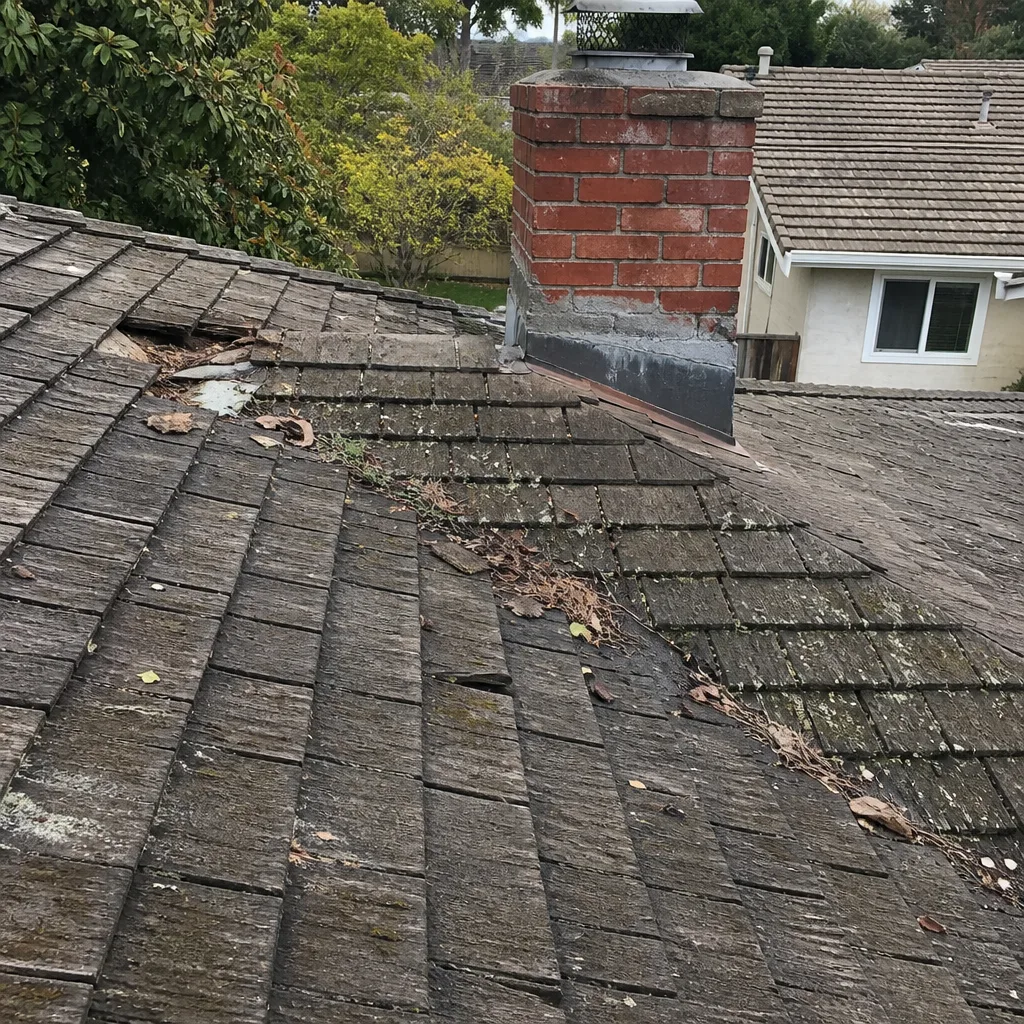 Before
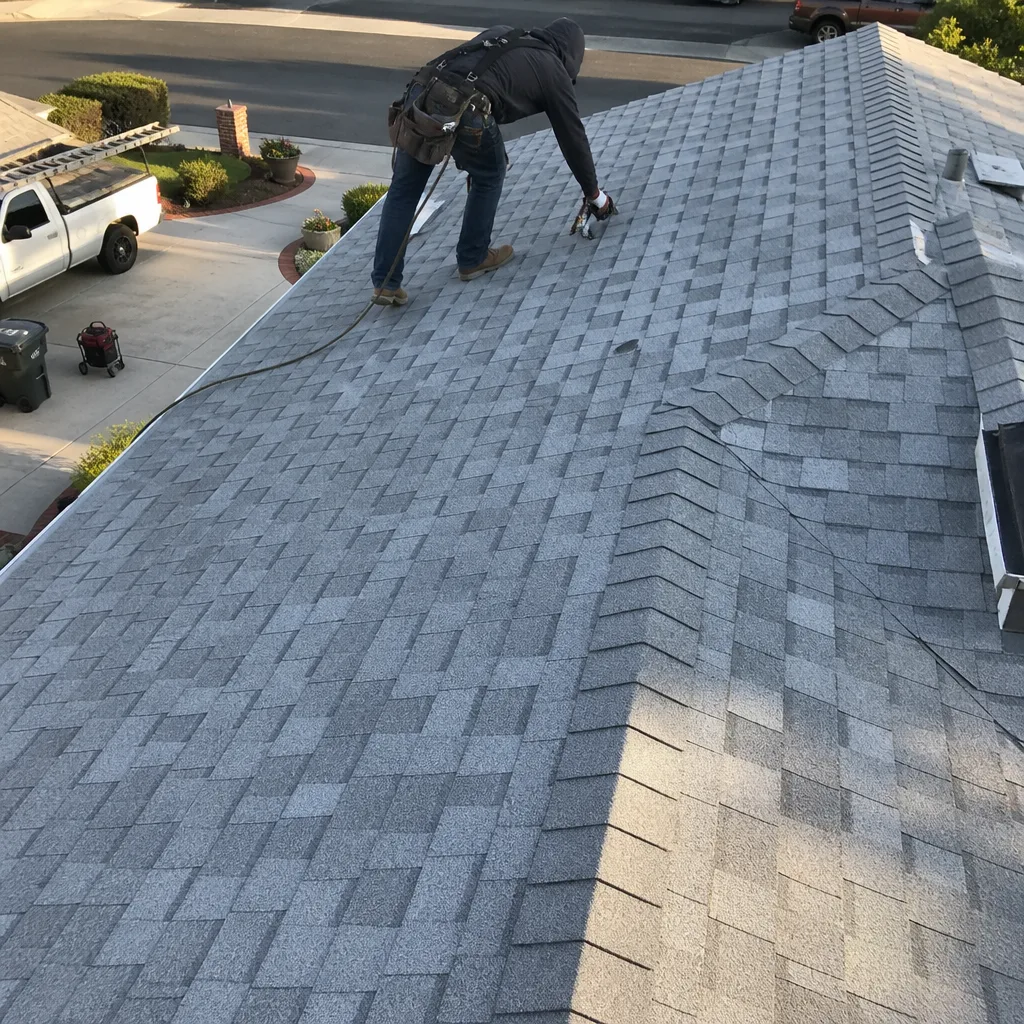 After
 Before
 After
 Before
 After