Last updated October 30, 2026
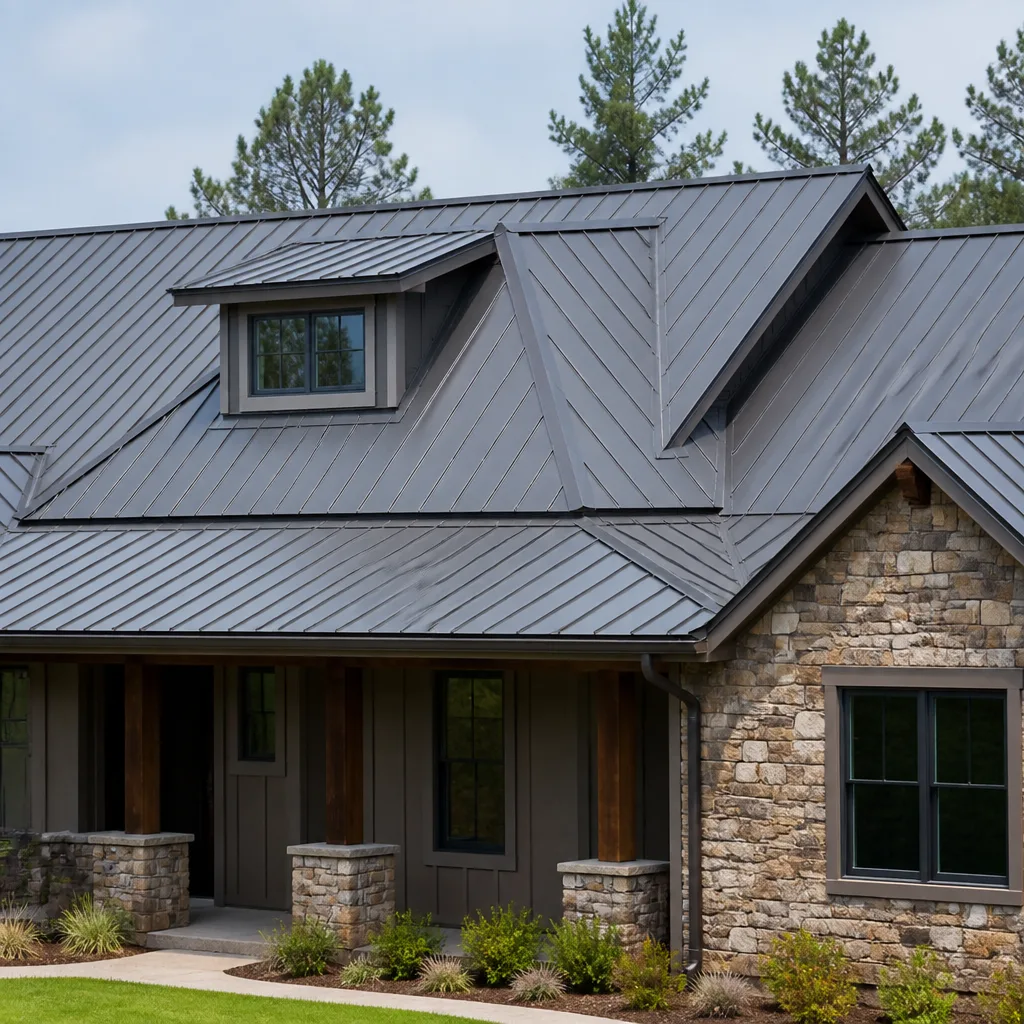 Metal roofing
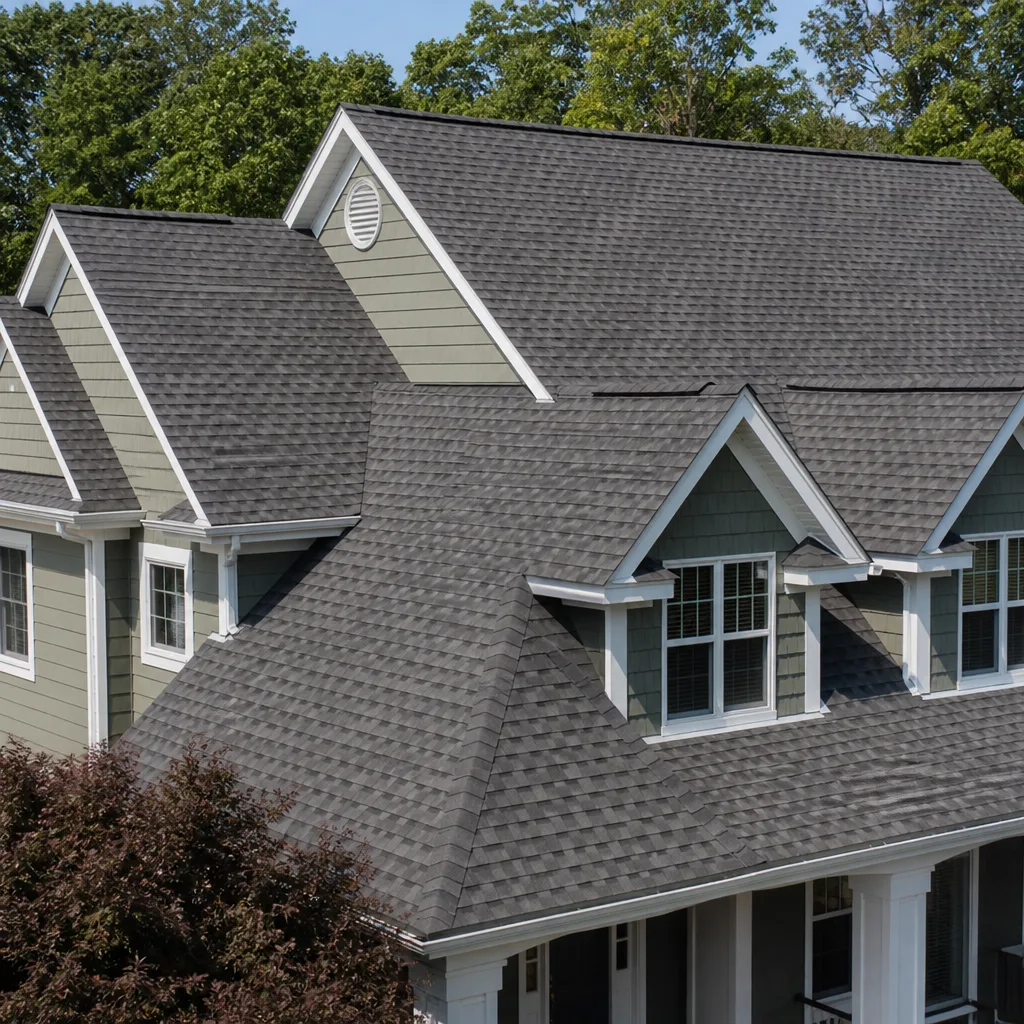 Architectural shingles
 Tile roofing
 GAF
 Owens Corning
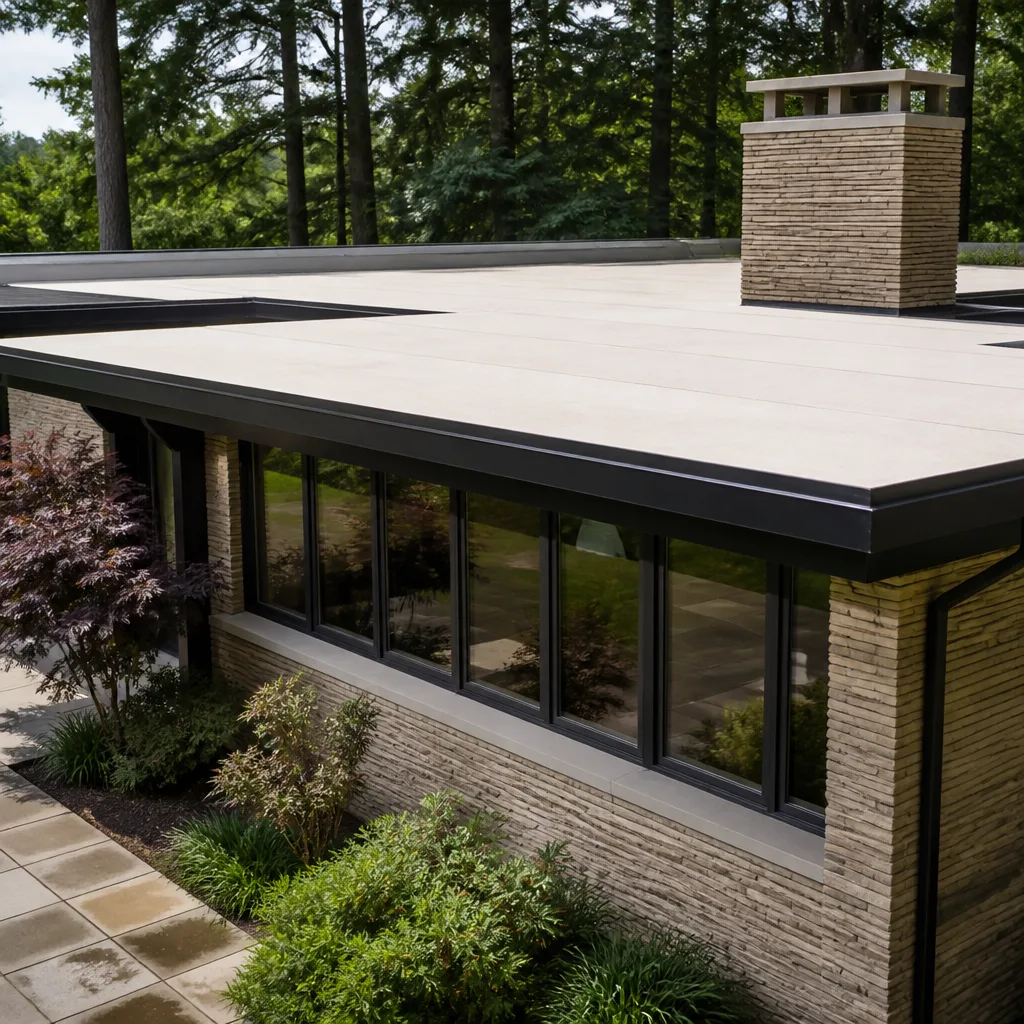 Flat & low-slope
Free roof inspection with deck photos before we talk money - GAF and Owens Corning certified installation
Roofing Warning Signs: A Yorba Linda Homeowner’s Reference Guide
Tile roofs in Yorba Linda fail from the inside out. The concrete tiles you see from the street can look untouched for a decade while the underlayment beneath them disintegrates, the flashings lift, and water finds its way into your attic one slow drip at a time. By the time a tile roof shows obvious surface damage, the repair is almost never a simple one. This guide covers the subtle, climate-specific failure patterns we’ve seen across Yorba Linda homes over years of inspections – the signs most homeowners miss because nobody told them where to look. For a broader overview of materials, codes, and maintenance schedules, see The Complete Guide to Roofing in Yorba Linda. You’ll learn what’s normal aging, what’s an early warning, and what means the clock is running.
Styles & brands we work with
Quick Answer
The most common roof warning signs in Yorba Linda are not missing tiles or visible holes. They are granule buildup in downspouts, dark staining on attic rafters, cracked mortar at ridge caps, and lifted or dried-out flashing at chimneys and roof-to-wall junctions. Any one of these is worth a professional inspection before the next Santa Ana wind event or winter rain season.
Table of Contents
- Granule Loss in Downspouts: What It Actually Means at Each Stage
- Attic Warning Signs: Staining, Compression, and Discoloration
- Mortar Cracking at Ridge Caps and Hip Tiles
- Flashing Warning Signs You Can’t See From the Ground
- Interior Ceiling Stains: Roof Problem or Something Else?
- How Yorba Linda’s Wind and Heat Cycles Accelerate Roof Failure
- Why a Standalone Inspection Beats a Sales Pitch
- Common Mistakes to Avoid
- When to Call a Professional
- Frequently Asked Questions
- The Bottom Line
Jump to any section above. If you’re seeing signs right now, the Roof Inspection in Yorba Linda page explains exactly what a diagnostic visit covers.
Granule Loss in Downspouts: What It Actually Means at Each Stage
Granule loss is the single most misunderstood warning sign on asphalt shingle roofs in Yorba Linda. Every homeowner sees the little colored pebbles collecting in gutters or at the base of downspouts after a rain. Most assume it’s normal, and sometimes it is. The trick is knowing the difference between expected shedding and structural failure.
Think of shingle granules as sunscreen for your roof. They protect the asphalt layer from UV breakdown. When granules go, the asphalt is exposed, and in Southern California’s 280-plus days of sun per year, exposed asphalt degrades fast. Here’s what granule loss looks like at three different stages, based on what we’ve observed on roofs across Yorba Linda:
Stage 1: New Roof Break-In (First 2-3 Years)
A newly installed shingle roof will shed excess granules during the first few years. You’ll see a light, even dusting of granules in gutters after rain. This is the factory-applied surplus working itself loose under expansion and contraction. It’s normal. If you have a GAF or CertainTeed shingle roof less than three years old with light, consistent granule presence in the gutters, that’s almost never a concern.
Stage 2: Mid-Life Shedding (Years 8-14)
By mid-life, granule loss becomes more uneven. You’ll notice heavier accumulation at downspout outlets, and the granules may appear more concentrated after wind events. Look at the roof surface closely: if you can see patches where the shingle color looks faded or lighter than surrounding areas, the granules are thinning in those spots. This is the stage where action matters. A patchy granule pattern means the shingles are losing their protective layer unevenly, and those light spots will fail first. This is also when a material-agnostic roofer matters – if the roof is a Boral or Tamko product, repair compatibility depends on working with the right manufacturer specs.
Stage 3: Bare Asphalt Visible (Replace-Soon Territory)
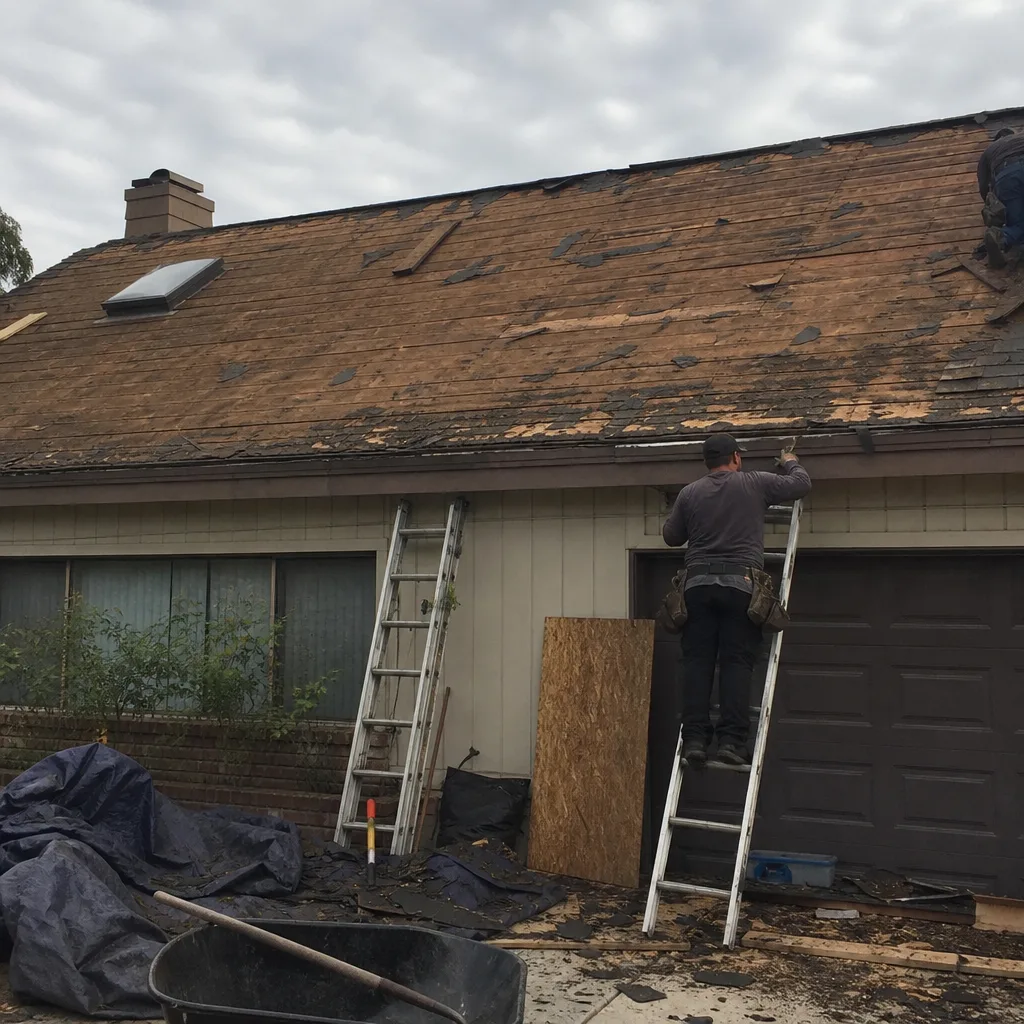
When you can see shiny, dark patches on the shingles themselves – not just color variation but actual exposed asphalt – the roof is in active decline. You’ll also find granules accumulating in piles, not dustings, at the bottom of downspouts. At this stage, the shingles have lost their UV protection and are absorbing heat directly. In Yorba Linda’s summer sun, that heat accelerates cracking and curling within one to two seasons. If you’re at this stage, replacement is a matter of timing, not debate.
What to do: Clean one downspout outlet and check it monthly through one rain season. If the volume of granules increases noticeably from month to month, book an inspection. The Weston Roof Repair home page has details on what an inspection covers and how to get one scheduled.
Attic Warning Signs: Staining, Compression, and Discoloration
Your attic is where roof problems show up first and where almost nobody looks. Water that leaks through a roof spends days or weeks working through the decking and underlayment before it ever reaches your ceiling. The evidence sits in the attic long before a ceiling stain appears. In Yorba Linda, where homes range from 1960s ranch houses to 2000s Mediterranean builds, attic conditions vary widely – but the warning signs are consistent.
Dark Staining on Rafters or Decking
Wood that has been wet repeatedly develops dark, grey-streaked stains that don’t go away when the wood dries. Look for stains that follow a path – a line running down a rafter, a patch radiating from a nail, or a streak along the underside of the roof decking. A single, isolated dark spot near a pipe boot or roof penetration is almost always a leak. Widespread, uniform discoloration across the entire attic is more likely condensation from poor ventilation. The difference matters because one calls for a repair, and the other calls for airflow remediation.
Insulation Compression
Insulation that has been wet loses its loft. Batts look flattened, dense, and sometimes crusty on top where water evaporated and left mineral deposits behind. Blown-in insulation develops a matted, compacted crust. Compression is a delayed indicator – by the time insulation has been soaked enough to compress, the leak has been active for weeks or longer. We’ve seen attics in Yorba Linda where a slow flashing leak compressed a two-foot circle of insulation before the homeowner saw a single ceiling stain.
Rafter Discoloration and Nail Rust
Rust around the nail heads where decking meets rafters indicates moisture has been sitting against the metal. In coastal-influenced air like Yorba Linda’s, some surface rust on exposed nails is normal. What’s not normal is rust that weeps, staining the wood around it. That’s evidence of sustained moisture contact, not ambient humidity.
The Attic Check: A 5-Step Sequence
- Go up on a cool morning, before the attic heats up. Bring a flashlight, not just your phone.
- Start at the ridge and work your way down to the eaves, examining the decking in bays between rafters.
- Run your light along the underside of every roof penetration: pipes, vents, chimneys, and the points where valleys drain.
- Check the insulation surface near the attic access hatch – this is where heat loss concentrates, and condensation often forms first.
- Photograph anything questionable with a date stamp. Changes over time mean more than a single snapshot.
If you find any of these signs during an attic check, a standalone roof inspection in Yorba Linda can determine whether you’re looking at an active leak or old damage that was already repaired.
Mortar Cracking at Ridge Caps and Hip Tiles
On the concrete tile roofs that dominate Yorba Linda’s hillside and planned communities, mortar is the weak point. Ridge caps and hip tiles are set in mortar along the roof’s highest lines. When that mortar cracks, water doesn’t just sit on the surface – it works its way underneath the caps and runs along the ridge channel, spreading laterally before it drips down into the attic.
The specific pattern we see most often looks like this: small, hairline cracks develop where the mortar meets the tile edges. Wind-driven rain forces water into those cracks. The water follows the ridge line to the nearest gap, enters the underlayment, and travels several feet before soaking through. Homeowners see a ceiling stain in the middle of the room and assume there’s a problem directly above. There isn’t. The entry point is at the ridge, ten feet away.
Why Yorba Linda Tile Roofs Are Especially Vulnerable
Yorba Linda sits in a zone that gets real Santa Ana wind pressure. Not sustained hurricane-force wind, but enough repeated stress to work the mortar joints loose over years. Add the region’s heat-cool cycle – daytime highs in the 90s followed by overnight drops into the 50s – and mortar, which doesn’t flex, develops micro-fractures from thermal expansion alone. A mortar joint that looked solid in year five can be failing by year twelve with no visible change from the street.
What to Look For
- Hairline cracks running parallel to the ridge line where mortar meets tile.
- Crumbling or sandy mortar at the hip intersections where two ridges meet.
- Gaps where you can see daylight or the underlayment through the joint.
- Loose ridge caps – tap gently with a broom handle from a ladder; a solid cap sounds solid, a loose one rattles.
Mortar cracking requires a repair that addresses the joint, not just a cosmetic patch. Patching over crumbling mortar without cleaning out the old material creates a seal that fails within a season. A proper fix removes the degraded mortar, reseats the tiles, and applies fresh mortar that’s compatible with the existing tile profile.
Flashing Warning Signs You Can’t See From the Ground
Flashing is the roofing material most homeowners never examine closely. It’s the metal that redirects water at roof-to-wall junctions, chimneys, skylights, valleys, and the lower edge of the roofline. Flashing fails before the roof surface does, and it fails in ways that are invisible unless you’re on the roof or at the edge of a ladder.
Lifted Step Flashing
Step flashing is interleaved with shingles or tiles where a vertical wall meets a sloped roof. Each piece is supposed to lie flat against the wall and under the next course of roofing. Over time, thermal movement pushes the flashing outward, creating a small gap between the metal and the wall. Water caught in that gap runs behind the flashing instead of over it. The gap might be an eighth of an inch. That’s enough.
What to look for: From the ground, you can’t see it. From a ladder at the roof edge, check whether the flashing sits flat against the wall along the entire run. If a corner is kicked out, if you can slide a putty knife between the flashing and the wall, or if the flashing has pulled away from the siding, the waterproofing barrier is compromised.
Dried Sealant at Chimney Bases
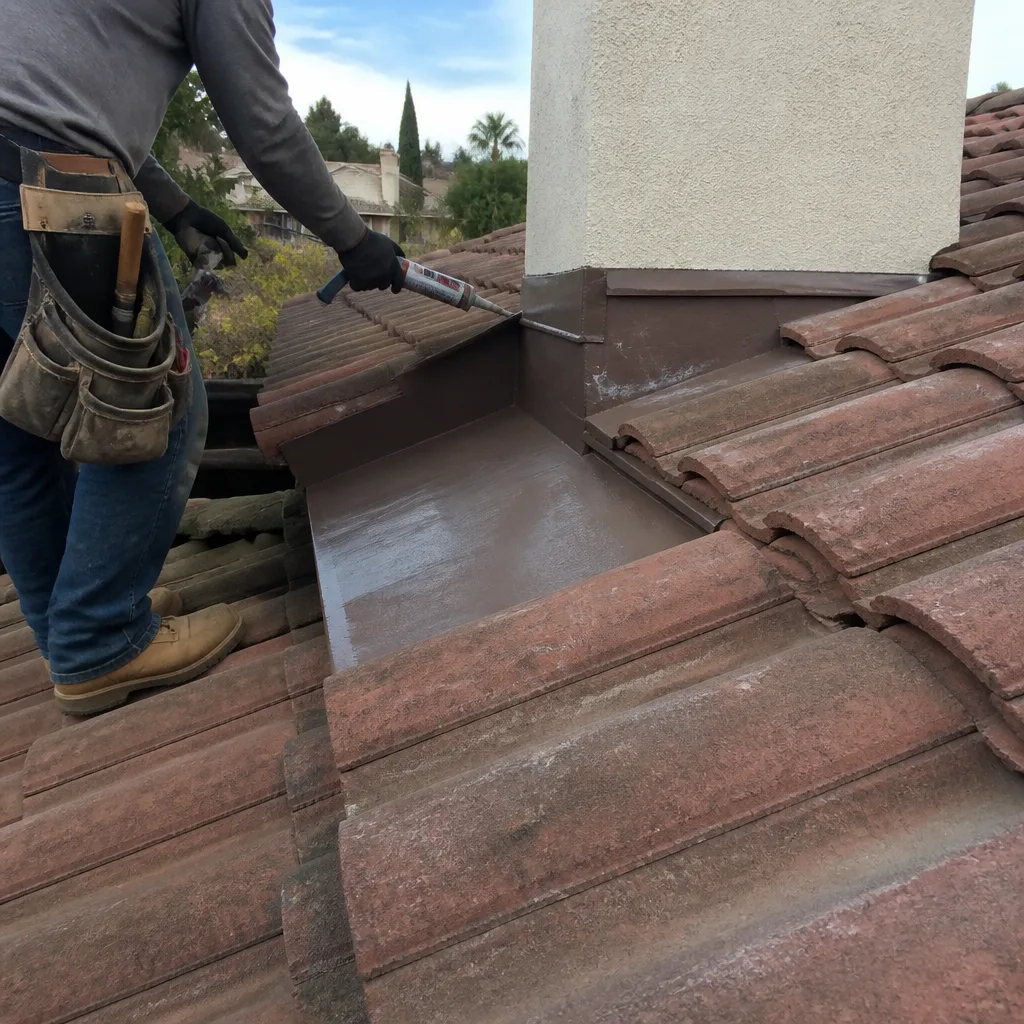
Chimney flashing has two layers: base flashing that runs under the roofing, and counter-flashing that laps over it. Where the counter-flashing meets the chimney brick or stucco, a sealant bead provides the final water barrier. That sealant is not permanent. In Yorba Linda’s heat, it dries, cracks, and separates from the masonry within a few years of application. Once the sealant fails, water runs down the face of the chimney and behind the flashing assembly.
What to look for: Hairline cracks in the sealant bead, gaps where the sealant has pulled away from the brick, or sealant that has turned chalky and white. If you can press on it with a finger and it crumbles, it’s dead.
Gutter Apron Separation
The gutter apron, or drip edge, is the L-shaped metal flange that directs water from the roof edge into the gutter. When it separates from the decking or the fascia board, water wicks backward, traveling up under the shingle or tile edge and onto the sheathing. This is a common problem after wind events that shake the roofline. The separation is often no more than a fraction of an inch, but water doesn’t need much room.
What to look for: Stand at the eave and look upward along the gutter line. The apron should sit flush against the fascia. If you can see a gap, or if the metal is wavy or buckled, water is getting behind it during any significant rain.
Flashing issues are the most frequent repair call we handle because they’re also the easiest to miss. A typical flashing repair in Yorba Linda might address a single chimney or a run of step flashing, and it costs dramatically less than the interior damage that follows if it’s left alone. For more on how we approach these repairs, see the Roof Repair in Yorba Linda page, which was written for homeowners dealing with exactly this type of localized water intrusion.
Interior Ceiling Stains: Roof Problem or Something Else?
A brown stain on the ceiling is the warning sign that finally gets a homeowner’s attention. By that point, water has already worked through the roofing, the decking, and the attic cavity. The question is whether the stain points to the roof at all. In Yorba Linda, ceiling stains have roughly equal odds of tracing to roof leaks, plumbing leaks, or HVAC condensation – and treating the wrong source means the stain comes back.
Roof Leak Indicators
- Stain grows after rain events and stays stable in dry weather.
- Stain is located near the perimeter of the room, under a valley, a roof penetration, or a slope change.
- Multiple stains appear in different rooms after the same storm system.
- Stain has a brownish, mineral-tinted color from dissolved wood tannins.
Plumbing Leak Indicators
- Stain grows regardless of weather.
- Stain is directly below a bathroom, laundry room, or water line run.
- You hear water running or dripping when nothing is turned on.
- Stain has defined edges that expand slowly over days, not hours.
HVAC Condensation Indicators
- Stain appears during or shortly after extended AC use.
- Stain is near the air handler, ducting runs, or a supply vent.
- Stain dries and recurs on a cycle that matches the cooling season.
- Stain has a gray, water-only appearance without the brown mineral tint.
If the stain is roof-related, you’re typically dealing with water that has been entering the roof system for some time. The stain on the ceiling is the last step in a sequence that started at the roof surface. A diagnostic inspection maps the entry point before any repair work is proposed. That’s the only way to avoid fixing the ceiling while the roof keeps leaking.
How Yorba Linda’s Wind and Heat Cycles Accelerate Roof Failure
Yorba Linda’s climate isn’t extreme by national standards, but it has specific characteristics that stress roofs in predictable ways. Understanding these patterns helps homeowners separate real warning signs from the normal aging process.
The Santa Ana Factor
Santa Ana winds hit Yorba Linda most frequently between October and March. Those winds are warm, dry, and gusty – 30 to 50 mph in exposed areas along the 91 corridor and up against the Chino Hills. What Santa Anas do to a roof is straightforward: they test every loose connection. Flashing that sits flush on a calm day gets worked loose under repeated gusts. Ridge caps that were set in aging mortar flex with each wind cycle. Loose shingles or tiles that survived a stretch of quiet weather finally let go during a strong event.
The warning signs that follow a Santa Ana event are rarely dramatic. You won’t see a roof peeled open. You’ll see small changes: a tile out of place, a shingle lifted at one corner, a flashing piece angled slightly off the wall. Those small changes are the entry points for the next rain.
The Thermal Stress Problem
Yorba Linda’s summer temperatures routinely reach the mid-90s, and roof surfaces run 40 to 50 degrees hotter than the air. Over decades, that heat load breaks down roofing materials through expansion and contraction. Asphalt shingles become brittle and prone to cracking at the edges. Concrete tile itself is stable, but the mortar, underlayment, and flashing around it are not – those components age faster than the tile they support.
This is why a tile roof can look great from the street while the underlayment has reached the end of its service life. The tile is just the shell. The waterproofing system under it is what actually protects the house, and in Yorba Linda’s heat, that system ages on a timeline that has nothing to do with how the tile looks.
What This Means For Inspection Timing
In our experience, the highest-yield inspection windows are late summer, before the rain season starts, and immediately after the first significant Santa Ana event of the fall. Late summer catches heat-related degradation at its worst. Post-Santa Ana inspections catch wind damage while it’s still minor. If you can only budget for one inspection per year, we recommend scheduling it between September and November in Yorba Linda, when both risk factors are in play.
Why a Standalone Inspection Beats a Sales Pitch
Most roofing companies offer “free inspections” as a lead-generation tool. The inspection exists to produce a sales appointment, and the findings are shaped to drive toward replacement. That’s not universally true – plenty of honest roofers exist – but the incentive structure is what it is. When the inspection is free and the only thing the company sells is roofs, the inspection has an agenda.
A standalone, paid inspection is different. When you pay for a diagnostic, the deliverable is information, not a proposal. You get a report that documents what’s working, what’s failing, and what it means for the roof’s remaining lifespan. You can take that report to any roofer you want, or none at all. The inspection doesn’t obligate you to buy anything from the company that performed it.
Weston Roof Repair offers roof inspection in Yorba Linda as a separate service for exactly this reason. A roof inspection shouldn’t be a sales pitch – it should be a diagnosis. We’ll inspect it first. If a repair fixes it, that’s what we’ll tell you. If the roof has years left, we’ll tell you that too. The inspection report becomes the reference point for every decision you make about the roof afterward, whether you hire us for the follow-up or not.
How a Diagnostic Inspection Works, Step by Step
- We walk the roof surface, documenting wear, granule loss, mortar condition, and flashing integrity with photos.
- We check the attic for the hidden signs described above: staining, compression, rust, and moisture paths.
- We examine all penetrations – pipes, vents, chimneys, skylights – for sealant and flashing failures.
- We test gutter function and look for apron separation at the eaves.
- We compile everything into a written report with photos, prioritized by urgency, and we walk you through it on site.
Nothing about that process requires buying a roof. It requires knowing what’s happening above your head, which is the whole point. Browse our more guides & resources for additional homeowner-focused roofing content.
Common Mistakes to Avoid
- Waiting for a visible ceiling stain before investigating. By the time water reaches the ceiling, the leak has already been active in the attic for weeks or months. The repair cost is compounded by the need for drywall and insulation work on top of the roof fix.
- Assuming tile roofs don’t leak because tile is durable. Tile is just the outermost layer. The underlayment beneath it ages and fails on its own schedule, and in Yorba Linda’s heat, that happens faster than most homeowners expect.
- Treating granule loss as cosmetic. Granules are the UV shield. When they’re gone, the asphalt under them begins breaking down, and that’s structural, not cosmetic.
- Patching cracked mortar from the surface without removing the old material. A cosmetic layer over degraded mortar fails within a season. The old material has to come out first.
- Ignoring small flashing gaps because they’re hard to see. An eighth-inch gap at step flashing or a failed sealant bead at a chimney lets in more water than most people believe possible.
- Assuming one roofer sells what another roofer sells. In Yorba Linda, roofing companies are not all installed across the same product lines. A single-brand roofer pitches what they stock. A multi-brand roofer can match the product to the roof’s actual needs.
- Replacing a roof that needs repair. Some companies default to replacement because it’s a bigger invoice. A repair-first philosophy means fewer unnecessary tear-offs and less waste in the landfill.
When to Call a Professional
You should call a professional when you see any of the following: repeated granule buildup in downspouts that increases month over month, dark staining or rust on attic wood, cracked or crumbling mortar at any ridge or hip line, flashing that no longer sits flush against walls or chimneys, or ceiling stains that grow after rain. You should also call before buying a home with a roof over 15 years old, and after any Santa Ana event strong enough to shake the roofline. These are all situations where a diagnostic inspection gives you answers without pushing you into a purchase.
Weston Roof Repair offers free estimates in Yorba Linda – call (833) 589-6925 to schedule one. We’ll inspect it first. If a repair fixes it, that’s what we’ll tell you.
Frequently Asked Questions
The most common warning signs in Yorba Linda are granule loss in downspouts, attic staining or rafter discoloration, cracked mortar at ridge caps and hip tiles on tile roofs, lifted or dried-out flashing at chimneys and walls, and ceiling stains that appear or grow after rain. Most of these signs are invisible from the street and require a close inspection to detect.
Roof inspection pricing in Yorba Linda varies by company and scope, but a standalone diagnostic inspection typically runs in the low to mid hundreds of dollars, depending on roof size, accessibility, and whether attic access is included. Some companies offer free inspections, but those are usually sales appointments in disguise. A paid inspection gives you an unbiased report you can use with any contractor. Call (833) 589-6925 for an exact quote – estimates are free.
Asphalt shingle roofs in Yorba Linda typically last 15 to 22 years depending on product quality and ventilation, while concrete tile roofs can last 40 to 50 years for the tile itself but only 20 to 30 years for the underlayment beneath it. The limiting factor is almost never the surface material. It’s the waterproofing system, the flashing, and the mortar. Budget for underlayment replacement at the 20 to 30 year mark, even if the tiles look perfect.
Cracked ridge mortar can almost always be repaired without replacing the roof. The repair involves removing the degraded mortar, reseating the ridge or hip tiles, and applying fresh mortar that matches the existing tile profile. Replacement only becomes necessary when the underlying underlayment has also failed, which is determined through an attic inspection.
Light, even granule loss on a roof under three years old is normal break-in shedding. On a five-year-old roof, granule loss should be minimal. If you’re seeing heavy or uneven granule accumulation at year five, the roof may have a product defect, a ventilation problem accelerating asphalt breakdown, or damage from foot traffic or wind. It’s worth an inspection to determine which one. We work with GAF, CertainTeed, and five other leading brands, so we can assess the issue against the manufacturer’s specific expectations.
Yes, roofing contractors in Yorba Linda and throughout California must hold a C-39 roofing license from the Contractors State License Board. Always verify licensing before hiring, and confirm that any roofer you work with is insured and bonded for work on occupied homes. Roofing is regulated work, and unlicensed operators create liability problems for homeowners.
The Bottom Line
Your roof speaks long before it fails. The signs are there – in the granules at the bottom of your downspout, the faint stain on a rafter, the hairline crack in ridge mortar, the flashing that no longer sits flat. Most Yorba Linda homeowners miss these signs because nobody told them what to look for, or because the roof still looks fine from the street. Now you know where to look and what each sign means. When you find something that concerns you, get a diagnostic before you get a sales pitch. A roof that’s caught early needs a repair. A roof that’s ignored needs a replacement. The difference is measured in years and in thousands of dollars. If you’re seeing any of the warning signs in this guide, call (833) 589-6925 to schedule a free estimate. We’ll give you an honest diagnosis, and we’ll back it up with the specifics.
Written by the team at Weston Roof Repair, serving Yorba Linda since 2015.
See the difference
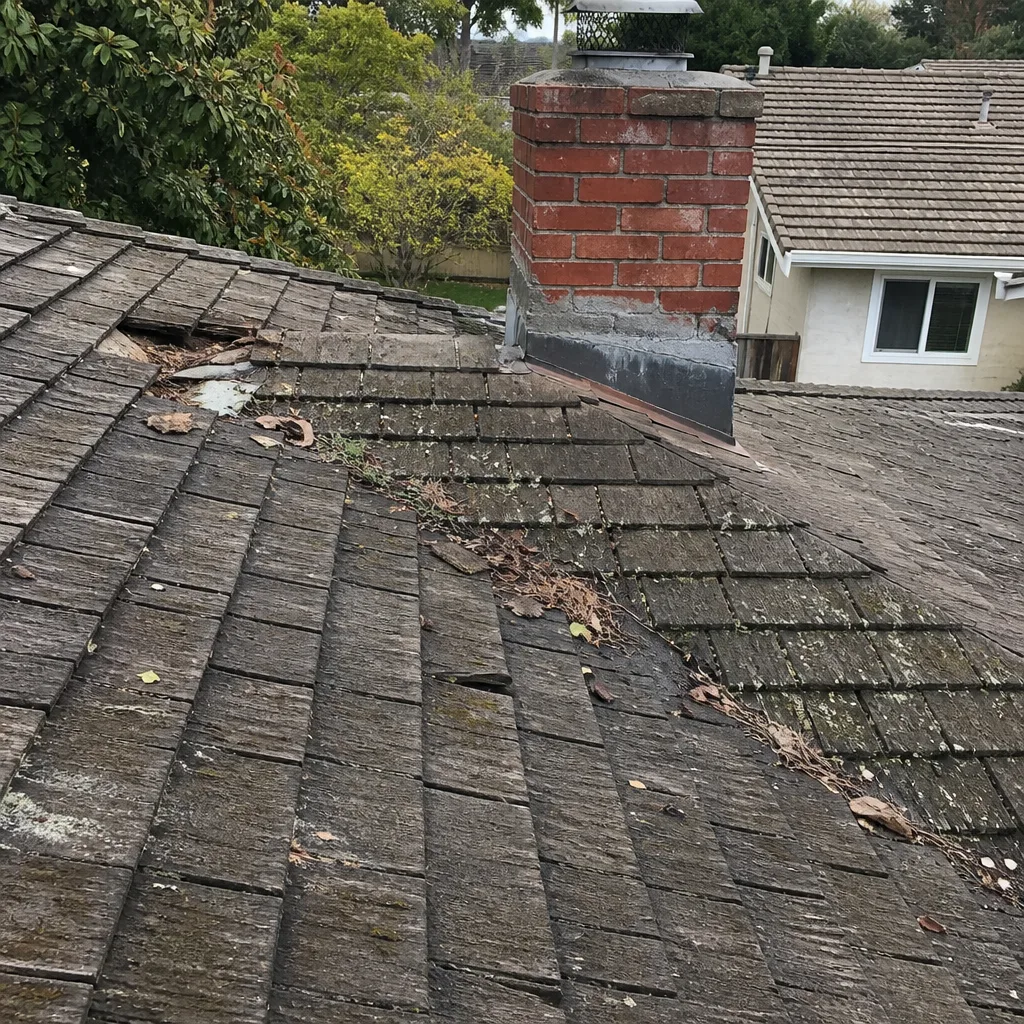 Before
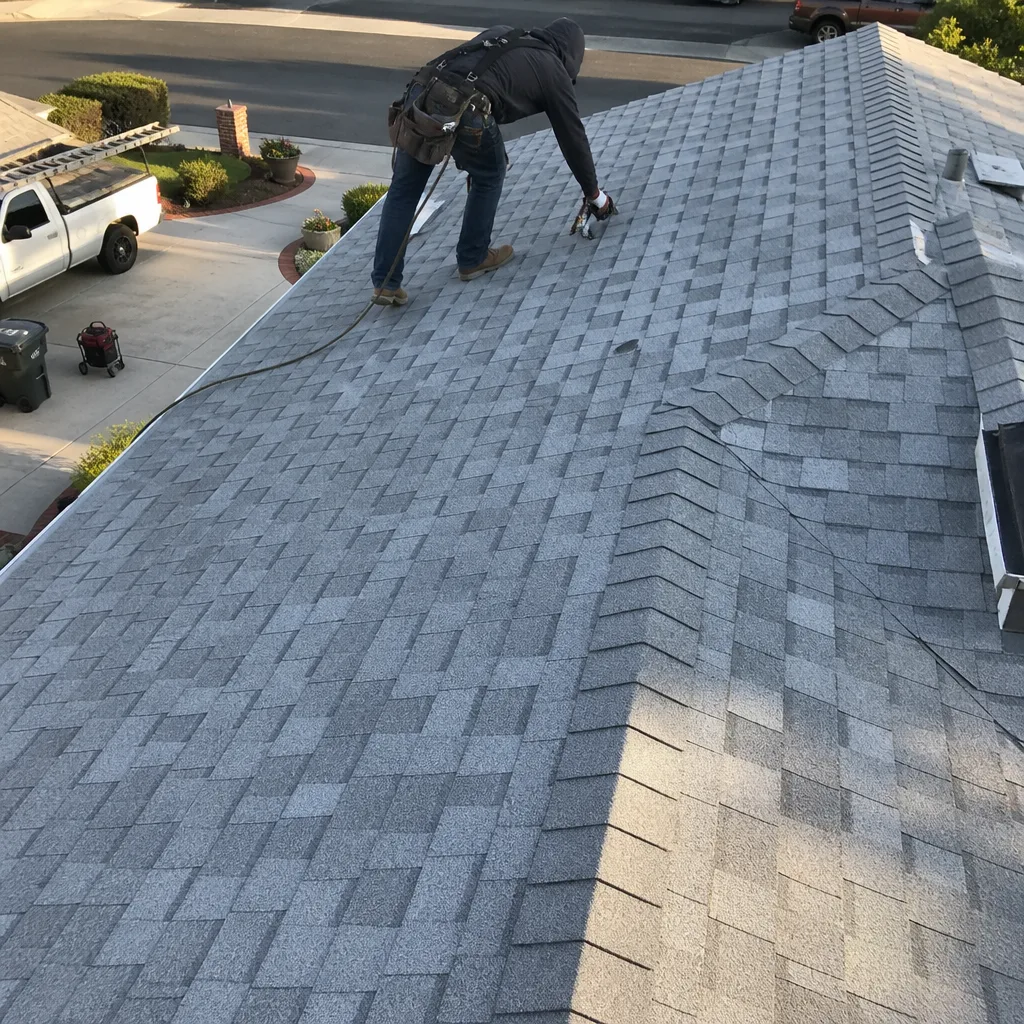 After
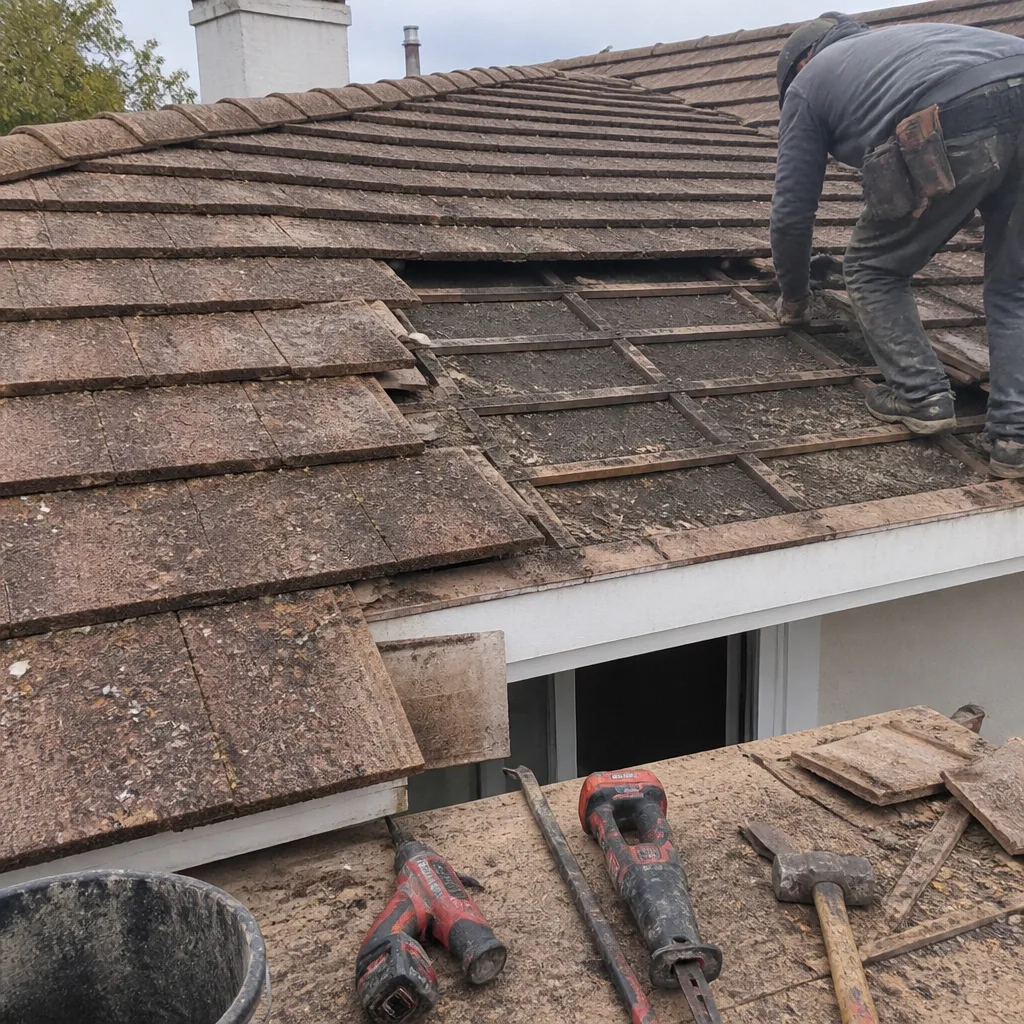 Before
 After
 Before
 After