Last updated October 30, 2026
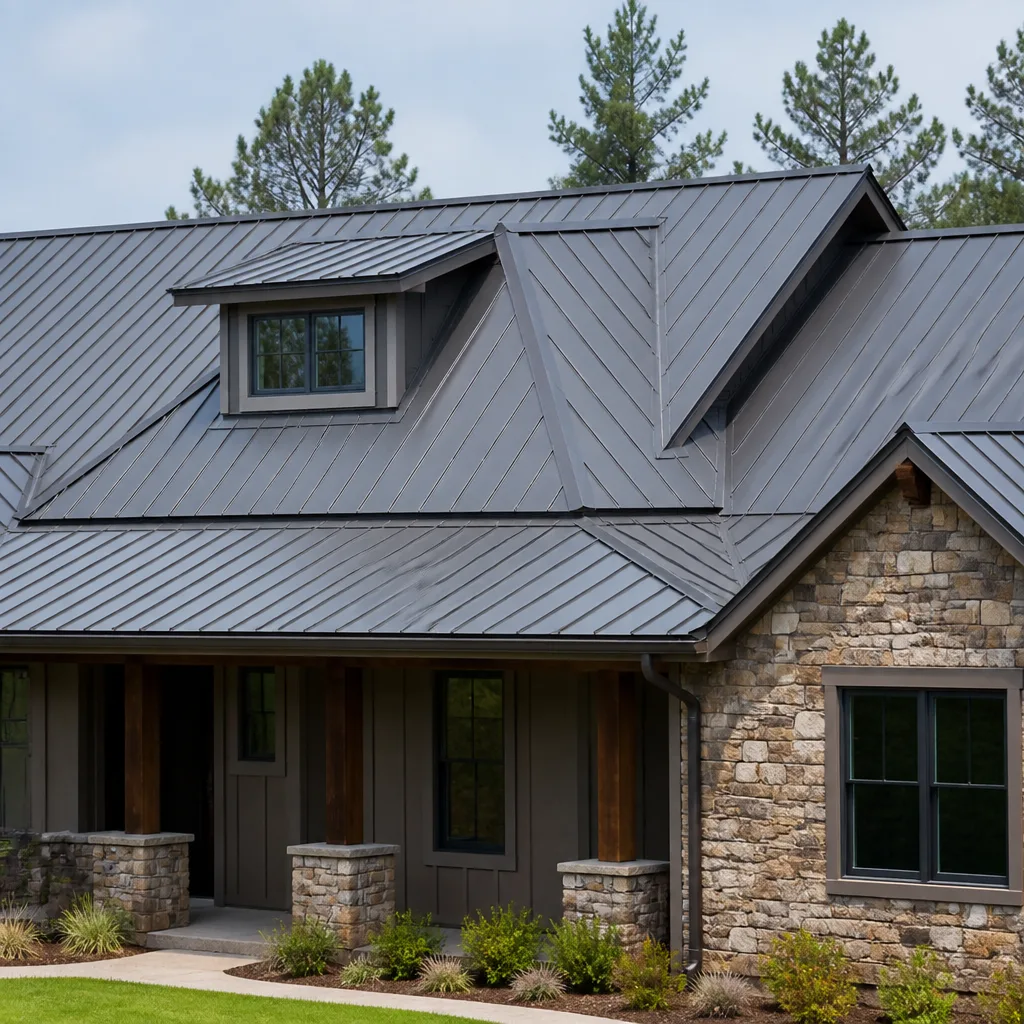 Metal roofing
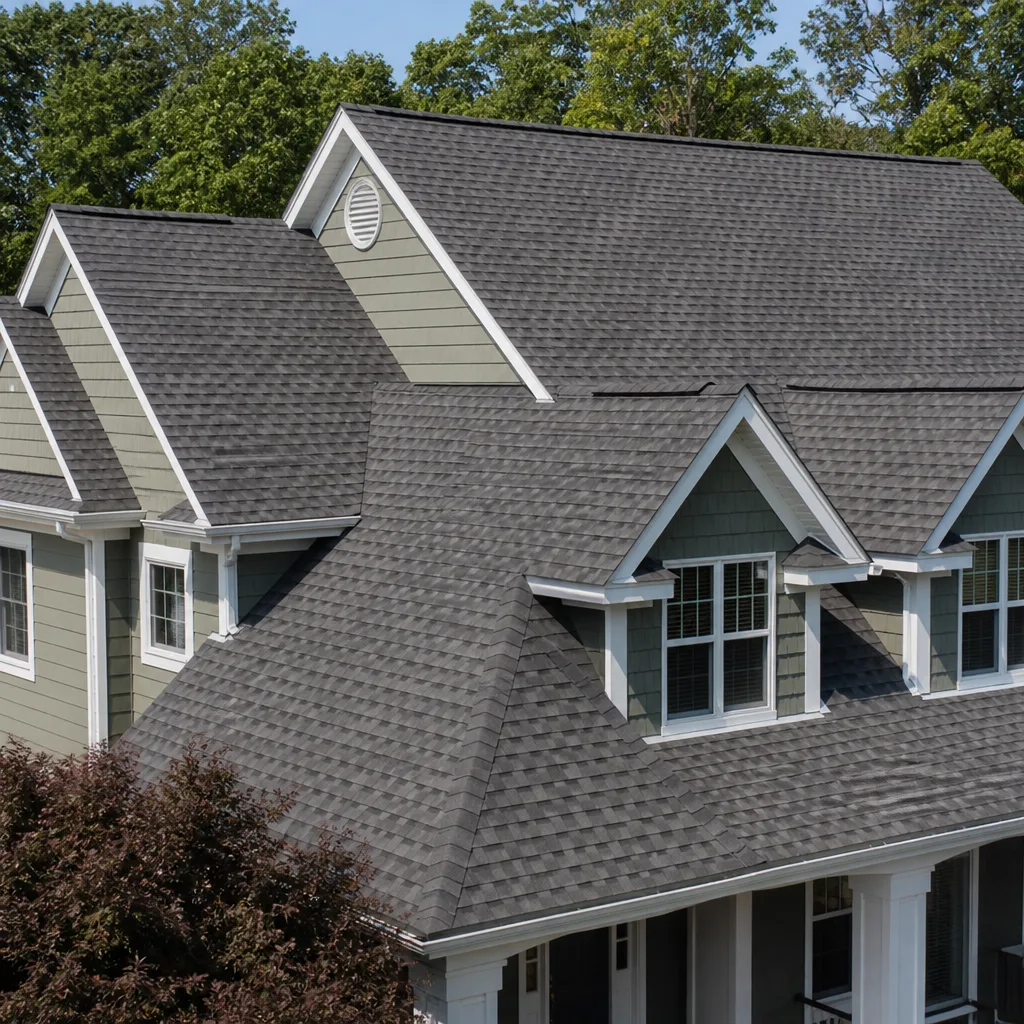 Architectural shingles
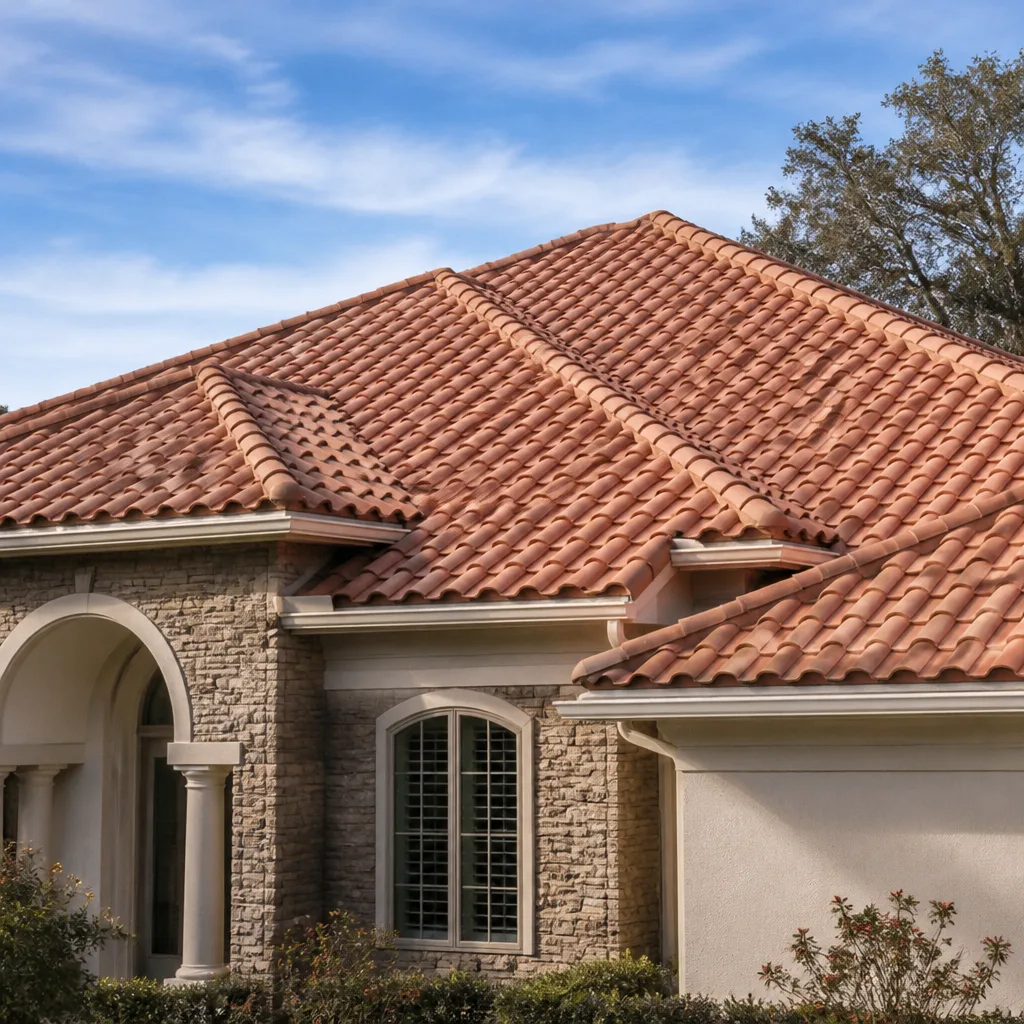 Tile roofing
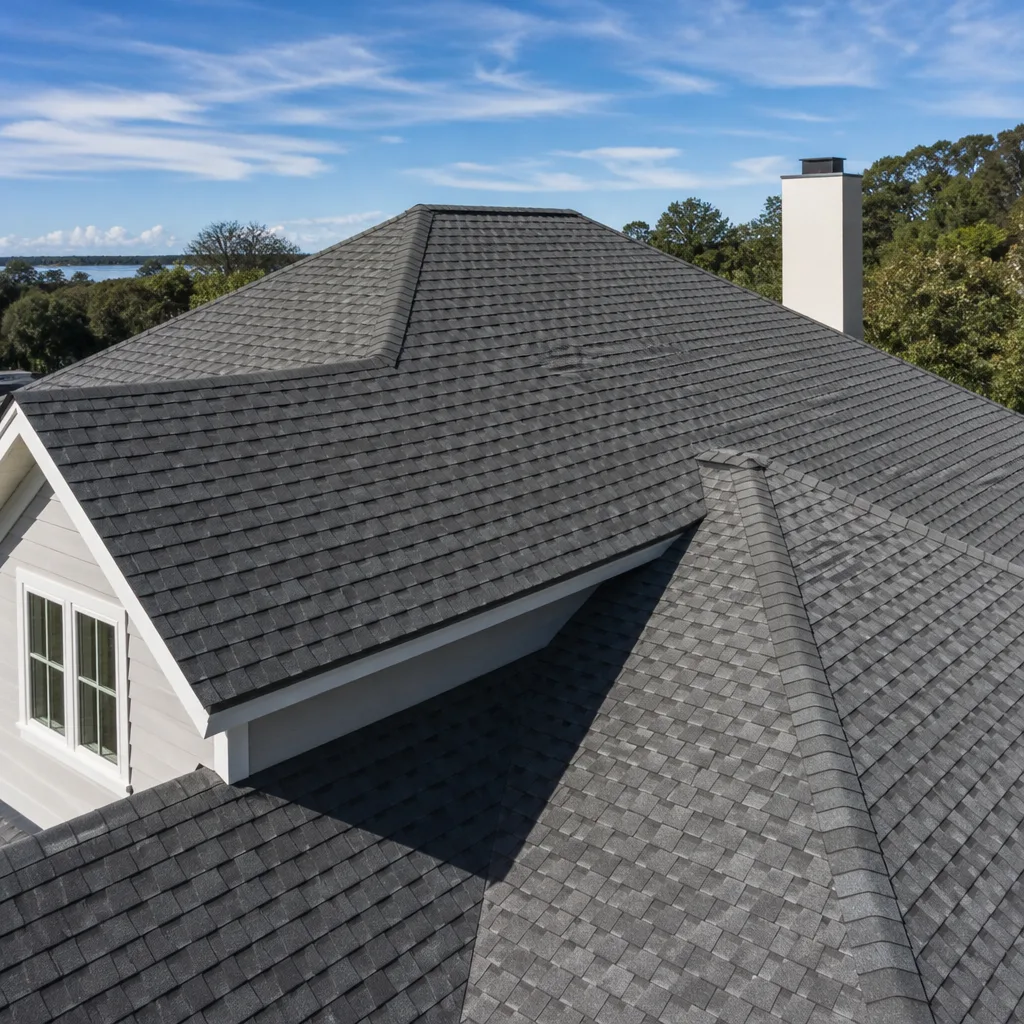 GAF
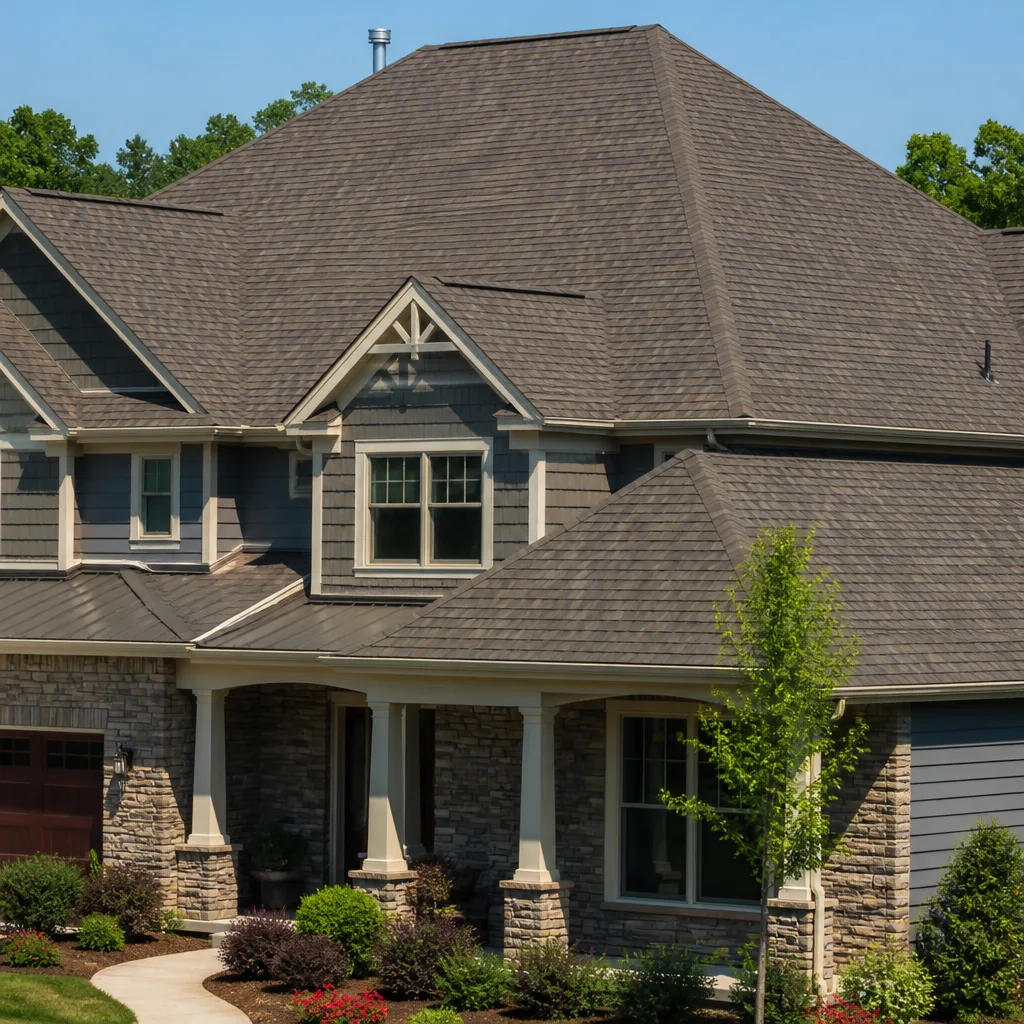 Owens Corning
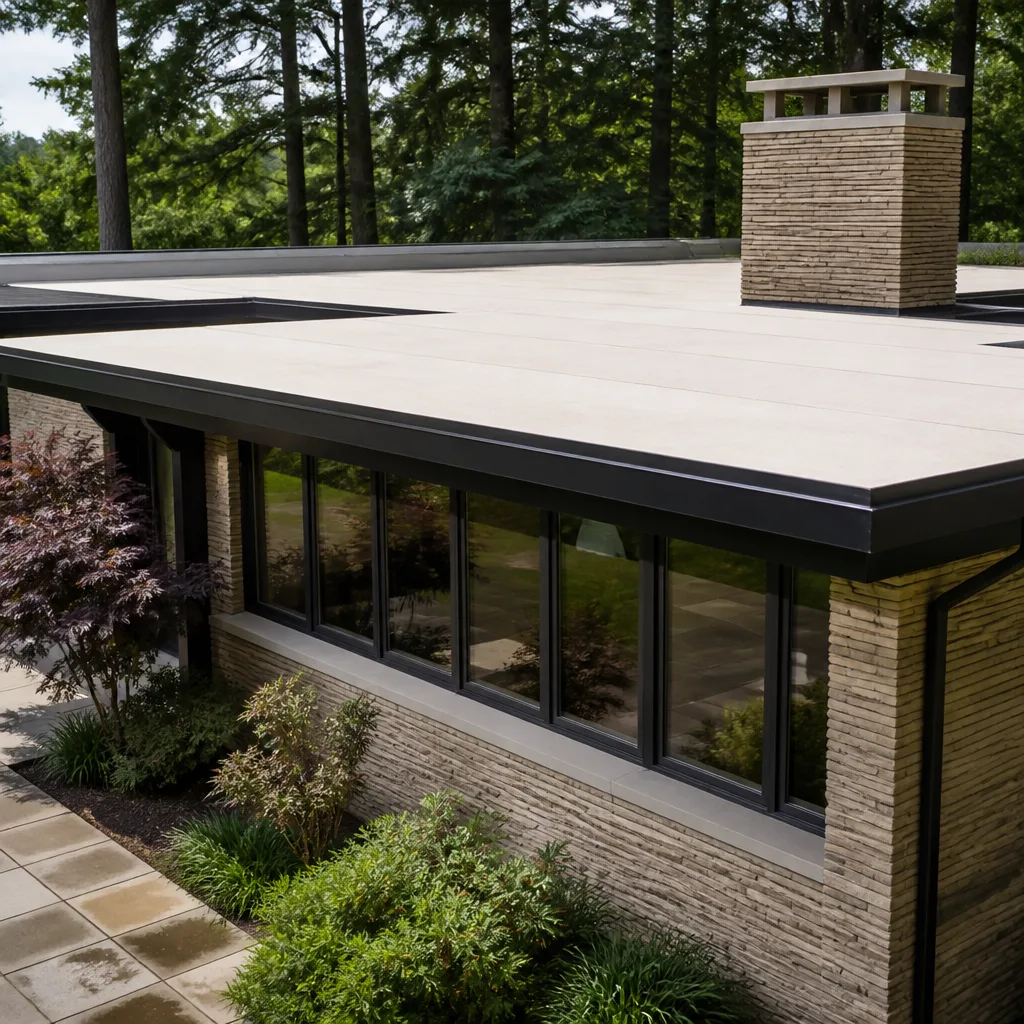 Flat & low-slope
Free roof inspection with deck photos before we talk money - GAF and Owens Corning certified installation
The Complete Guide to Roofing in Yorba Linda
Yorba Linda sits inside one of the highest-density Very High Fire Hazard Severity Zones in Orange County – a fact that legally restricts which roofing materials you can install, yet most homeowners don’t find out until they’re already mid-project. The city’s roofing decisions aren’t just about curb appeal or resale value. They’re shaped by fire codes, 70 mph Santa Ana wind gusts, and HOA architectural committees that treat tile profiles like neighborhood law. This guide covers what actually matters when you’re repairing, replacing, or inspecting a roof in Yorba Linda – the material restrictions, the wind specifications, the HOA rules, and the costs you’ll actually encounter here, not in some national average chart.
Quick Answer
Roofing in Yorba Linda means working within California’s Wildland-Urban Interface code: most homes need Class A fire-rated materials, edge fastening built for Santa Ana wind uplift, and often HOA approval before any visible change. A typical asphalt shingle roof replacement in Yorba Linda runs $14,000 to $28,000 depending on size and pitch, while tile systems can run $25,000 to $50,000 or more. Repairs are usually $400 to $1,800 depending on the damage.
Styles & brands we work with
Table of Contents
- What Yorba Linda’s Fire Zone Classification Means for Your Roof
- How Santa Ana Winds Change Roof Edge Requirements
- Tile Roofs, HOA Aesthetics, and the Mix-and-Match Problem
- How to Read Your HOA’s CC&Rs Before Calling a Contractor
- Real Material Lifespans in Yorba Linda’s Climate
- What Roofing Actually Costs in Yorba Linda
- Repair or Replace? How to Make the Call
- What a Real Roof Inspection Covers
What Yorba Linda’s Fire Zone Classification Means for Your Roof
Most of Yorba Linda falls within a Very High Fire Hazard Severity Zone, or VHFHSZ – a designation that comes from the California Department of Forestry and Fire Protection, not from your HOA or your insurance company. What this means in practical terms: when you replace your roof, the building department will require materials that meet Class A fire ratings under ASTM E108 or UL 790. That’s the highest fire resistance classification available. Class A roofing materials are tested to withstand severe fire exposure from outside sources – burning embers, radiant heat, and direct flame contact – without the roof assembly catching or spreading fire.
Here’s what many Yorba Linda homeowners don’t realize: the fire rating isn’t only about the top surface. The entire assembly matters. A Class A material installed over a combustible deck without the proper underlayment won’t pass inspection in a VHFHSZ. The underlayment – what goes between the wood deck and your shingles or tile – must meet specific requirements too. Most modern asphalt shingle lines from manufacturers like GAF and Owens Corning offer Class A systems when installed per their VHFHSZ specifications. Tile and metal typically achieve Class A ratings more easily, which is one reason they’re common in this city.
If you’re repairing rather than replacing, the rules are different. A small patch or shingle replacement usually doesn’t trigger a full code upgrade, but a tear-off always does. Once you expose the deck, the inspector watches for the underlayment and the material rating. This is where working with a Roof Replacement in Yorba Linda company that knows the local fire code matters. We’ve seen homeowners buy discounted materials online, only to find the building department won’t sign off because the underlayment spec doesn’t match the VHFHSZ requirement. That’s an expensive lesson.
How Santa Ana Winds Change Roof Edge Requirements
Santa Ana winds in Yorba Linda regularly hit 40 to 60 mph, with gusts above 70 mph in the foothill neighborhoods near Box Canyon and the Chino Hills State Park boundary. Most national roofing installation guides assume average wind speeds far lower than what this city actually gets in October and November. The result: standard edge fastening fails here more often than it should.
The critical zones are the eaves, rakes, and hips – anywhere air can get under the roofing material and lift it. California building code and the manufacturer’s high-wind installation specs require more fasteners per shingle in these edge zones, plus specific starter strip adhesives and sometimes additional sealant at the perimeter. Cheap installations cut corners here because the extra fasteners and adhesive add a few hundred dollars in labor. In our experience, the wind finds those corners within one or two Santa Ana seasons.
Concrete and clay tile – which cover a large percentage of Yorba Linda roofs – present their own wind problem. Tile is heavy, but it’s not immune. Broken tiles along the rake edge act like entry points for wind. Once air gets under a tile field, the broken pieces become projectiles. After any major Santa Ana event, we recommend checking the rake edges for cracked or shifted tile. It’s a five-minute check that catches the problem before the next rain.
For anyone interested in a deeper look at what wind does to local roofs, our Weston Roof Repair home page links to resources we share with homeowners after major wind events.
Tile Roofs, HOA Aesthetics, and the Mix-and-Match Problem
Yorba Linda’s visual identity is tile. Drive through Eastlake Village, Bryant Ranch, or the older neighborhoods off Yorba Linda Boulevard and you’ll see concrete tile dominating the skyline. The city’s architectural guidelines and most local HOAs have reinforced this aesthetic for decades. That creates a specific re-roofing challenge that generic guides skip: matching old tile profiles when only part of the roof needs work.
Here’s the problem. Concrete tile manufacturers change their profiles every few years. A tile that was installed in 1995 almost certainly isn’t in production in the identical mold today. Even when the manufacturer still lists the same profile name, batch-to-batch color variations mean a new tile next to a thirty-year-old tile looks like a patch. And when a section of roof needs replacement – say, a fire-damaged corner or a water-damaged section around a valley – the new tiles don’t visually blend with the old.
There are three realistic solutions:
- Full tile replacement. Expensive, but eliminates matching issues entirely. Makes sense when the roof is already 30+ years old and the underlayment likely needs replacement anyway.
- Salvaged tile matching. Sourcing used tiles from teardown projects. Available sometimes, but quality and quantity are inconsistent.
- Best-available-profile match. Working with your contractor to find the closest current production tile and doing a warranty-backed color match. This is the most common path for younger roofs.
If you’re working with a company that installs across multiple manufacturers – like Boral, which still produces a wide range of concrete tile profiles – you have better odds of finding a close match. A Roof Repair in Yorba Linda specialist who works with tile daily can tell you quickly whether a match is feasible or whether you’re looking at a larger replacement scope than you planned.
How to Read Your HOA’s CC&Rs Before Calling a Contractor
Yorba Linda has dozens of HOAs, and their roofing restrictions vary significantly. Some only approve three specific tile profiles from two manufacturers. Others allow asphalt shingles in specific color families. A few have no roofing restrictions beyond city code. Reading your CC&Rs first saves time and prevents a very expensive mistake: buying materials or starting a project the HOA will force you to undo.
Here’s the step-by-step process we recommend:
- Find the current CC&Rs. They may be on your HOA’s website, in your closing documents from escrow, or available from your community management company. Older documents get amended – confirm you’re looking at the current version.
- Search for the roofing section. Look for keywords: “roof,” “roofing,” “architectural,” “exterior changes,” “harmonious,” “consistent with.” Those sections contain the restrictions.
- Note the approval process. Many HOAs require architectural committee approval before any roof work, including repairs. Some require color samples, manufacturer spec sheets, and contractor details. Turnaround times vary from two weeks to two months.
- Check penalties. Some CC&Rs include daily fines for unauthorized exterior changes. One Yorba Linda HOA we’ve encountered charges $50 per day for non-compliance. That adds up fast.
- Bring the CC&R section to your first contractor meeting. A roofer who installs across brands – GAF, CertainTeed, Tamko, Atlas, and others – can work within most HOA-approved lists. A single-brand roofer may not be able to.
If the CC&R language is ambiguous – and it often is – the HOA’s architectural committee is the final word. Ask for a written decision. Verbal approvals evaporate when board members change.
Real Material Lifespans in Yorba Linda’s Climate
National average lifespan charts are nearly useless in Yorba Linda. The city’s UV index runs high year-round, and the thermal cycling – hot days, cool canyon nights – accelerates material aging differently than in, say, Seattle or Chicago. Here’s what we actually observe in this city:
- Asphalt shingles (architectural): 18 to 25 years in Yorba Linda, not the 25 to 30 years quoted nationally. The sun breaks down the asphalt binder faster here. South-facing slopes age quickest.
- Concrete tile: 40 to 60+ years for the tile itself. The underlayment beneath fails much sooner – usually at 20 to 30 years. Many Yorba Linda homeowners need underlayment replacement while the tile is still fine.
- Clay tile: 50 to 75+ years, with the same underlayment caveat. Common in higher-end Yorba Linda neighborhoods for its authentic look and superior UV resistance.
- Standing seam metal: 40 to 60 years, but less common in Yorba Linda due to HOA restrictions and the city’s tile-dominant aesthetic. Where allowed, it performs exceptionally well in fire zones and wind conditions.
- Wood shake and shingle: We strongly advise against it in VHFHSZ areas. Most Yorba Linda HOAs and the fire code effectively prohibit it. If your older home still has a wood roof, replacement should be a priority.
One brand-specific note: Boral’s concrete tile is common in this market and holds its color better than many competitors under sustained UV exposure. Atlas and Tamko both produce asphalt shingle lines engineered for high-wind regions, which matters when you’re selecting replacement shingles for a Yorba Linda ridge-top home.
What Roofing Actually Costs in Yorba Linda
Yorba Linda’s roofing costs run higher than the Orange County median, driven by three local factors: the VHFHSZ underlayment requirements, the prevalence of tile (which costs more to tear off and dispose of than shingles), and the labor market – Orange County roofing crews command strong wages. Here’s where the numbers land for typical Yorba Linda homes:
| Project Type | Typical Range | Notes |
|---|---|---|
| Minor repair (single shingle, small flashing fix) | $400 – $900 | Most common: wind-damaged shingle, cracked boot, small valley leak |
| Moderate repair (multiple shingles, small tile section) | $800 – $1,800 | Tile matching may add cost; see section above |
| Asphalt shingle full replacement | $14,000 – $28,000 | 2,000 – 4,000 sq ft home, tear-off included, Class A underlayment |
| Concrete tile full replacement | $25,000 – $50,000+ | Heavy tear-off, underlayment replacement, tile installation |
| Tile underlayment replacement only | $8,000 – $18,000 | Tile removed, new underlayment, original tile reinstalled where possible |
| Standing seam metal | $22,000 – $45,000 | Where HOA permits; excellent fire and wind performance |
These are honest ranges for Yorba Linda’s market as of 2025. Every roof is different – pitch, decking condition, accessibility, and HOA requirements all move the final number. The most reliable way to get a real price is a written, line-item estimate after someone has actually walked your roof. Estimates that come over the phone without an inspection are guesses, and you should treat them that way.
For a deeper cost breakdown specific to your project type, see Roof Replacement in Yorba Linda for replacement pricing or Roof Repair in Yorba Linda for repair-specific figures.
Repair or Replace? How to Make the Call
The repair-versus-replace decision in Yorba Linda is simpler than most roofing guides make it sound. It comes down to three questions, in order:
- What’s the age of the current roof? If it’s an asphalt shingle roof at 18+ years or a tile roof with 25+ year-old underlayment, you’re near end-of-life regardless of whether the current problem is fixable. Repairs on an end-of-life roof are temporary patches, not solutions.
- What’s the scope of the damage? One wind-blown shingle is a repair. Widespread granule loss, multiple leaks, or curling shingles across multiple slopes signal system failure.
- What does the underlayment look like? This is the part you can’t see from the ground. A Roof Inspection in Yorba Linda that gets under the tile or shingle and checks the deck and underlayment tells you what a visual check cannot.
Our philosophy is repair-first. If a $600 fix buys you three more years on a roof with real life left, that’s the right call. If we’re repairing the same area every season, we’ll tell you it’s time to replace – and we’ll show you why with photos and measurements, not pressure. A homeowner who understands the evidence makes a better decision than one who gets sold.
What a Real Roof Inspection Covers
A roof inspection should be a diagnosis, not a sales appointment. In Yorba Linda, a proper inspection covers at least these areas:
- Shingle or tile surface: Looking for cracked, curling, missing, or wind-lifted pieces. On tile roofs, checking for hairline fractures that let water in slowly over years.
- Flashing integrity: Chimneys, skylights, vents, valleys, and sidewall transitions. Flashing failures cause more Yorba Linda leaks than roof surface failures, especially after Santa Ana winds bend and loosen metal flashings.
- Edge and rake fastening: Evidence of past wind uplift, loose starter strips, and any areas where the perimeter isn’t mechanically fastened to code.
- Underlayment condition: Where accessible, checking the barrier beneath the visible roofing. On tile roofs, this requires lifting tile in a few spots – something not every inspection does.
- Deck and structure: Looking for soft spots, dry rot, and moisture staining from inside the attic where visible. The attic view matters: water marks inside tell a story the roof surface hides.
- Gutter and drainage condition: Yorba Linda’s winter rains are brief but intense. Poor drainage moves water sideways into eaves and walls even when the roof surface is fine.
- Fire code compliance check: Verifying that the current material assembly meets VHFHSZ requirements, or documenting where it falls short for future planning.
An inspection that only looks at the surface from a ladder is incomplete. The most useful inspections include the attic walk-through and at least a few lifted tiles or shingles. That’s where the real problems live. We offer standalone inspections as a diagnostic service – you pay for the information, and what you do with it is up to you.
Common Mistakes to Avoid
- Ignoring the fire code until inspection day. Buying a roof system or underlayment that doesn’t meet Yorba Linda’s VHFHSZ requirements means a failed building inspection and a restart. Confirm the spec before you spend.
- Choosing a roofer based on one brand. A contractor locked into one manufacturer will pitch that product whether or not it fits your roof, your HOA, and your budget. A roofer who works with multiple brands – like we do – starts from your situation, not a sales quota.
- Skipping the HOA approval step. Some Yorba Linda HOAs take six to eight weeks to review roofing plans. Starting the project before approval can trigger fines and forced changes. Read your CC&Rs first.
- Replacing tile when only the underlayment has failed. Many Yorba Linda tile roofs have decades of life in the tile itself but failed underlayment. Lifting the tile, replacing the underlayment, and reinstalling the original tile costs less than full replacement and preserves your home’s matched look.
- Underestimating Santa Ana wind damage. The wind seasons here are predictable. Edge fastening and rake details that meet minimum code still fail in foothill exposure areas. Pay for the enhanced fastening spec.
- Buying roofing materials without verifying the underlayment class. The top layer’s fire rating matters, but the underlayment is where code compliance and insurance inspections get hung up most often in Yorba Linda.
- Trusting a phone estimate for a tile roof. Tile matching, underlayment condition, and decking issues can’t be assessed without getting on the roof. Any quote given sight-unseen will change once someone actually looks.
See the difference
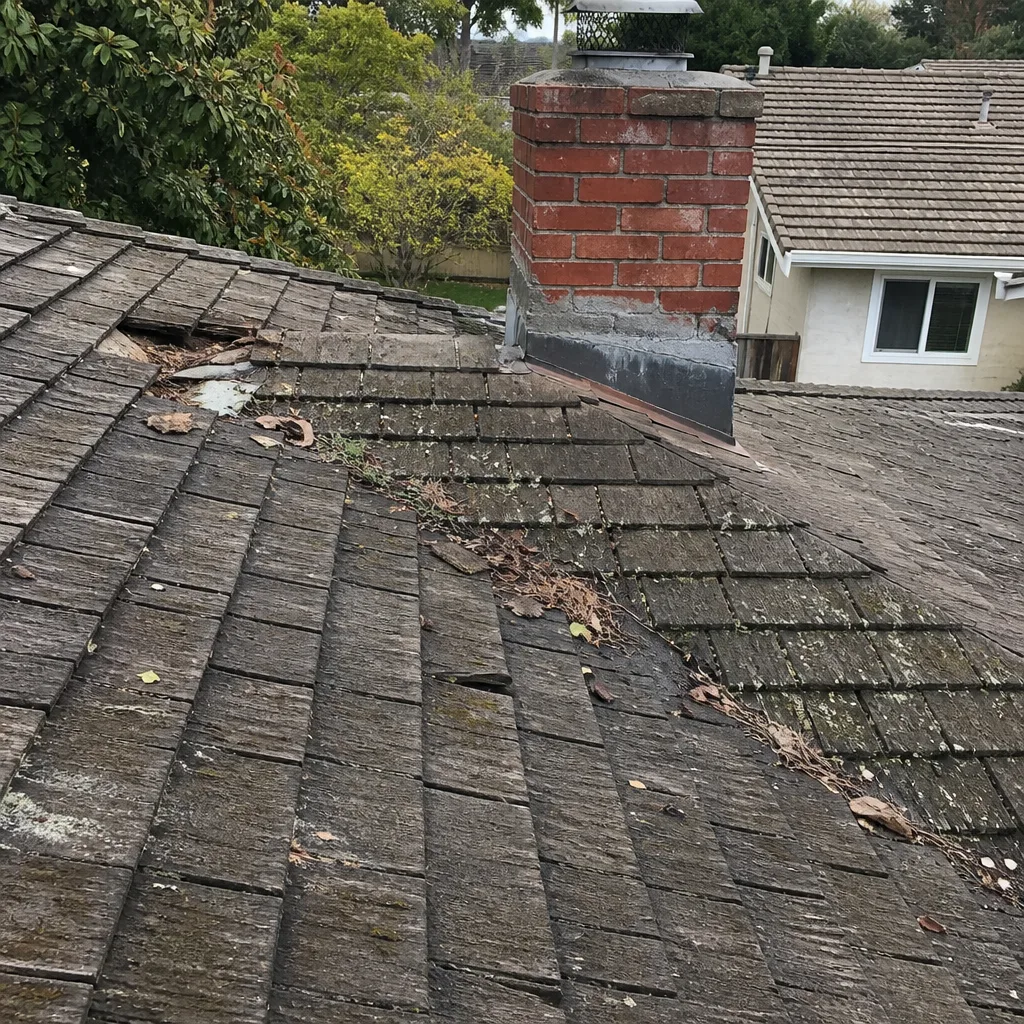 Before
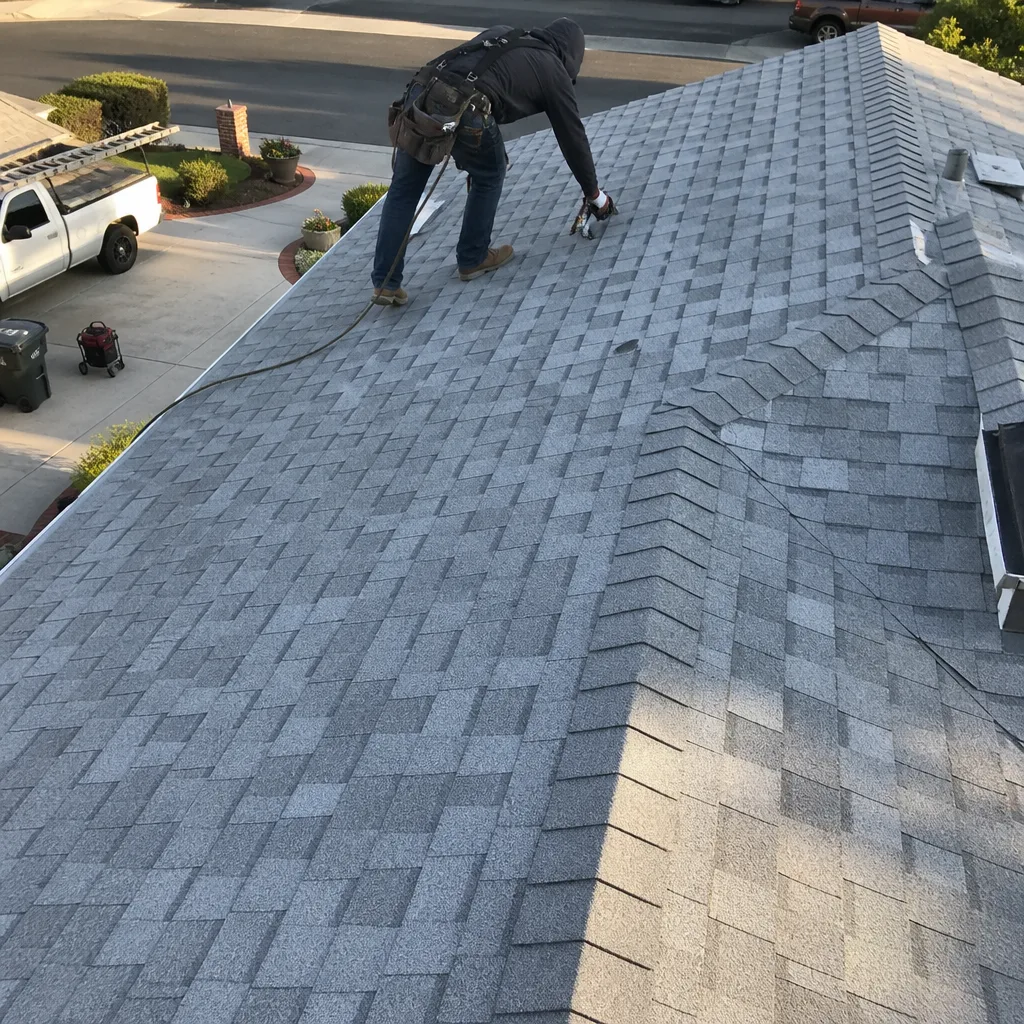 After
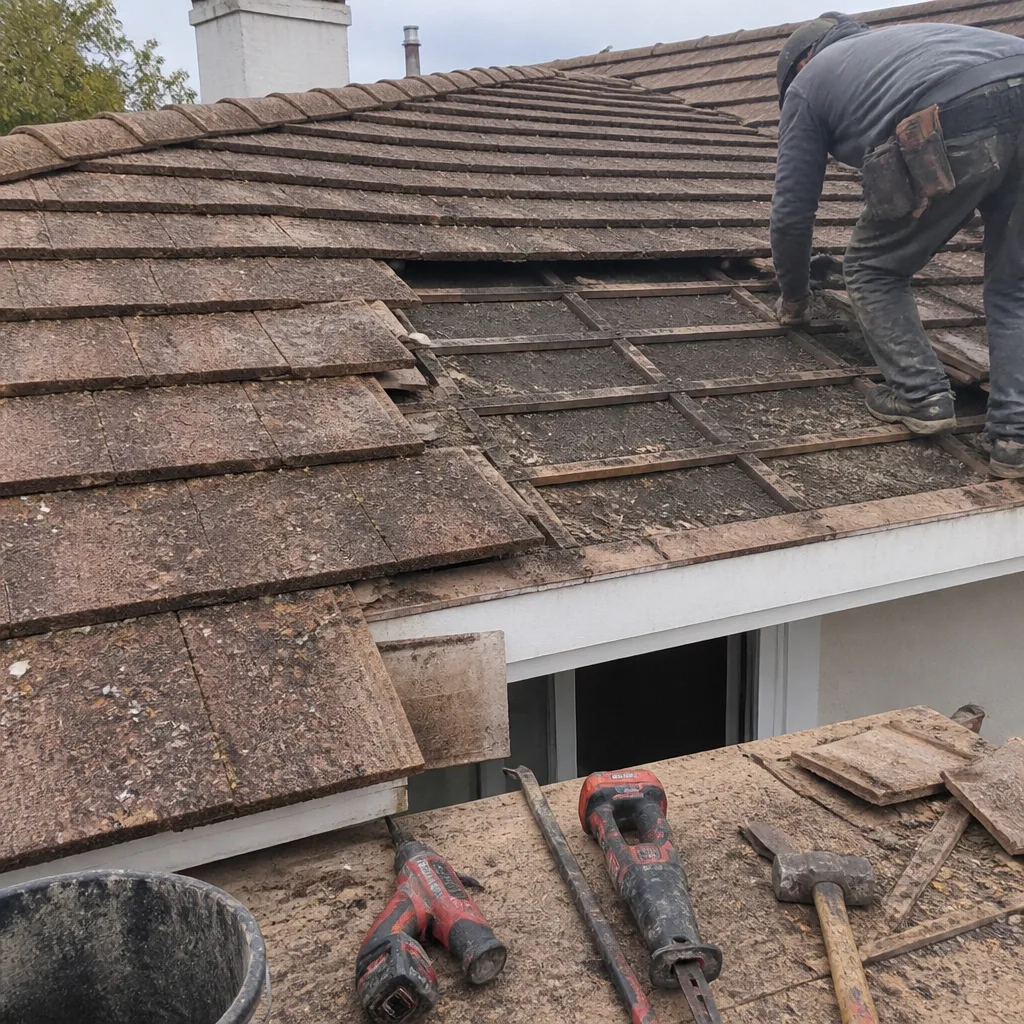 Before
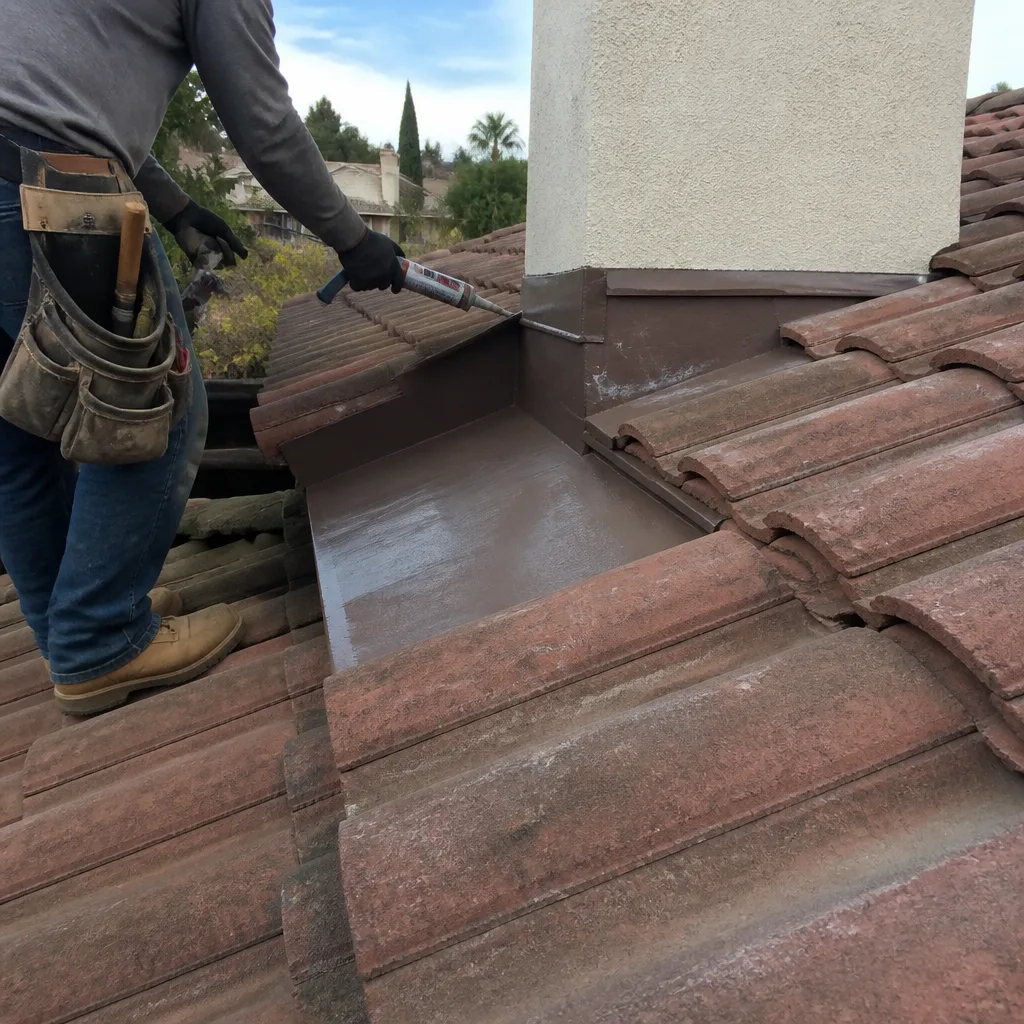 After
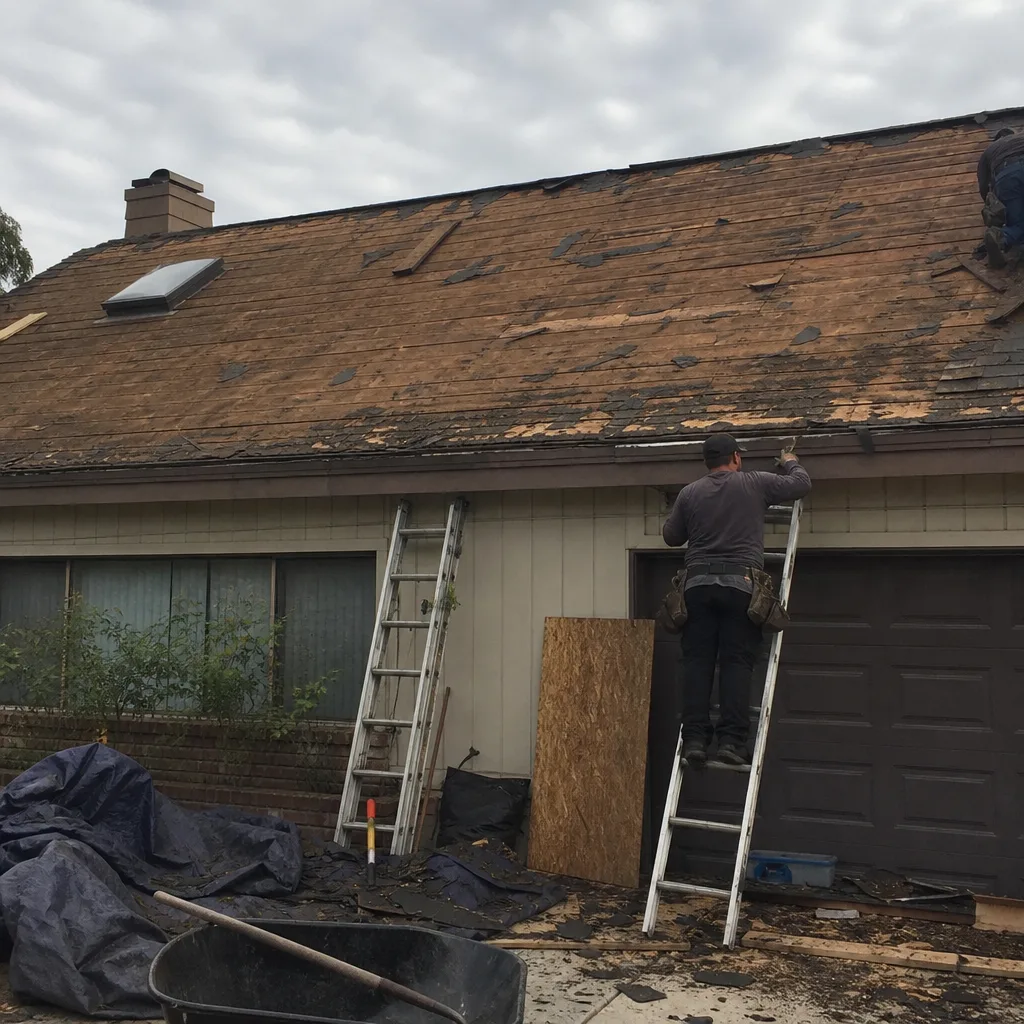 Before
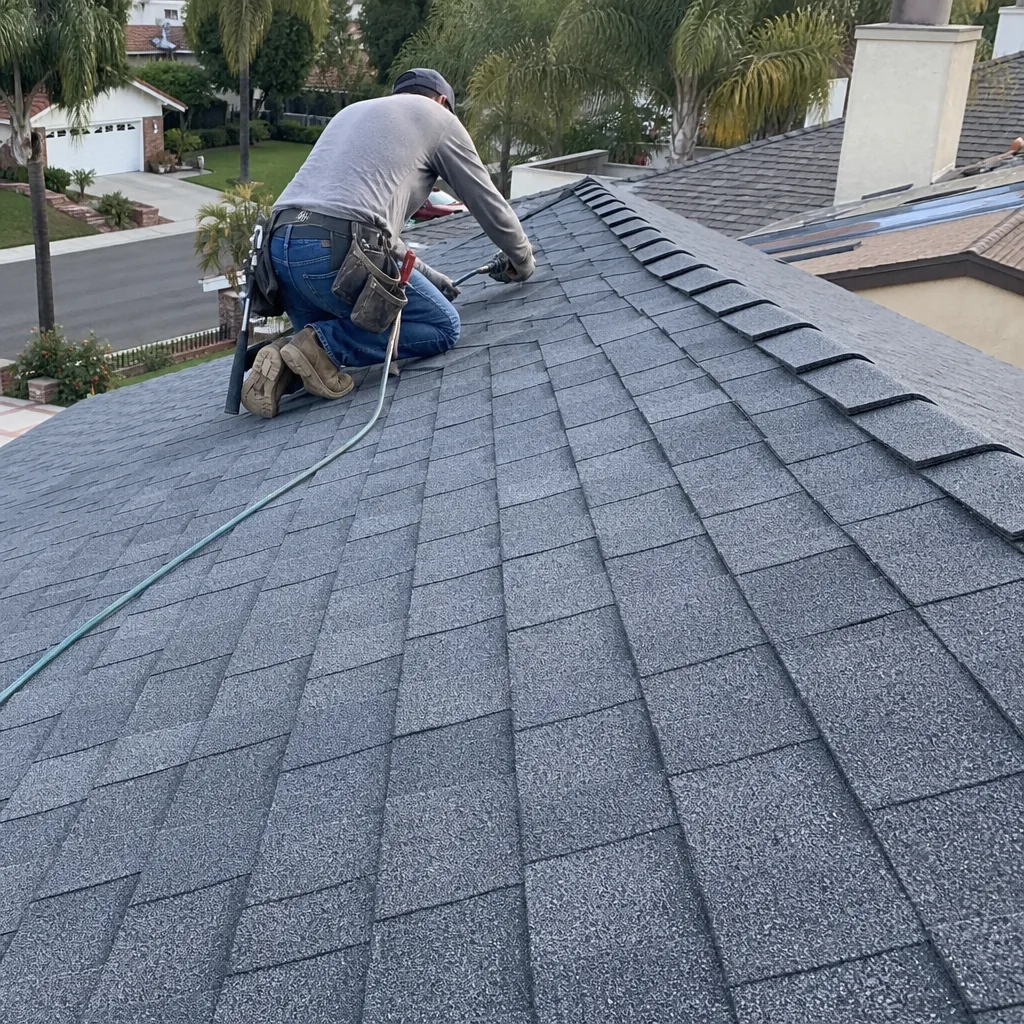 After
When to Call a Professional
Call a roofer when you see water stains on a ceiling, find shingle granules in your gutters, notice missing or shifted tiles after a Santa Ana event, or when a roof inspection from a buyer or insurance adjuster flags concerns. If your roof is over 18 years old and you haven’t had a professional inspection in the last three years, that’s reason enough to schedule one – Yorba Linda’s sun ages roofs faster than national charts suggest. Weston Roof Repair offers free estimates in Yorba Linda. Call (833) 589-6925 to book an appointment.
Frequently Asked Questions
A new asphalt shingle roof in Yorba Linda typically costs $14,000 to $28,000 for an average home, while concrete tile replacement runs $25,000 to $50,000 or more, and tile underlayment replacement alone ranges from $8,000 to $18,000. Yorba Linda’s VHFHSZ requirements and tile-heavy housing stock push costs above the Orange County median. Call (833) 589-6925 for an exact written quote – estimates are free.
Yes. Most of Yorba Linda lies within a Very High Fire Hazard Severity Zone, which means roof replacements must use Class A fire-rated materials with compliant underlayment per California building code. Repairs that don’t involve a tear-off typically don’t trigger the upgrade, but any full replacement will require inspection and code compliance.
It depends on your specific HOA’s CC&Rs. Some Yorba Linda HOAs require architectural committee approval for any exterior change, including repairs, while others only review full replacements. Check your CC&Rs or contact your community management company before scheduling work.
Concrete tile lasts 40 to 60+ years in Yorba Linda, but the underlayment beneath it typically needs replacement at 20 to 30 years. Clay tile can last 50 to 75+ years with the same underlayment caveat. Most Yorba Linda tile roof replacements we perform are actually underlayment replacements where the original tile is still usable.
Yes. Santa Ana wind gusts in Yorba Linda routinely reach 60 to 70 mph, and the edge zones – eaves, rakes, and hips – are the most vulnerable points. Standard installation specs often underperform under repeated wind cycles, which is why enhanced edge fastening matters more here than in most Southern California cities.
A thorough Yorba Linda roof inspection includes surface evaluation, flashing checks, edge fastening review, underlayment assessment, attic inspection, gutter evaluation, and fire code compliance verification. The attic walk-through and underlayment check are the most valuable parts and the ones most commonly skipped. Call (833) 589-6925 to schedule an inspection in Yorba Linda.
The Bottom Line
Yorba Linda roofing is a local problem with local answers. The fire zone classification restricts your material choices. The Santa Ana winds demand better edge fastening than standard installation guides specify. The HOA governs your aesthetic options. The UV exposure shortens material lifespans below national averages. And the tile-heavy housing stock means many “replacements” are actually underlayment jobs in disguise. When you understand these local pressures, you can make a rational decision about repair versus replacement without getting sold. We work with GAF, CertainTeed, Owens Corning, IKO, Atlas, Tamko, and Boral – seven brands, one company, no pressure to pick what’s convenient for us. If your roof needs attention in Yorba Linda, call (833) 589-6925 for a free estimate.
Written by the team at Weston Roof Repair, serving Yorba Linda since 2015.