Last updated October 30, 2026
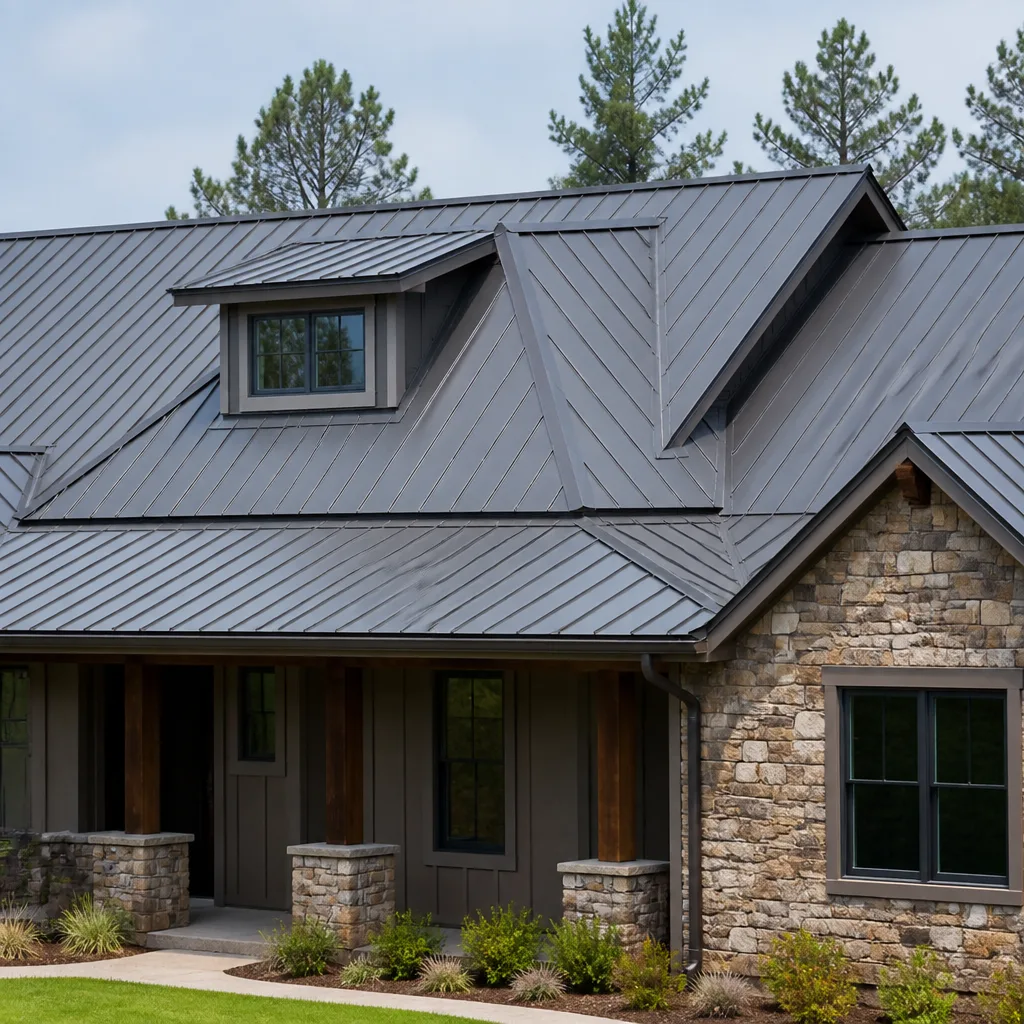 Metal roofing
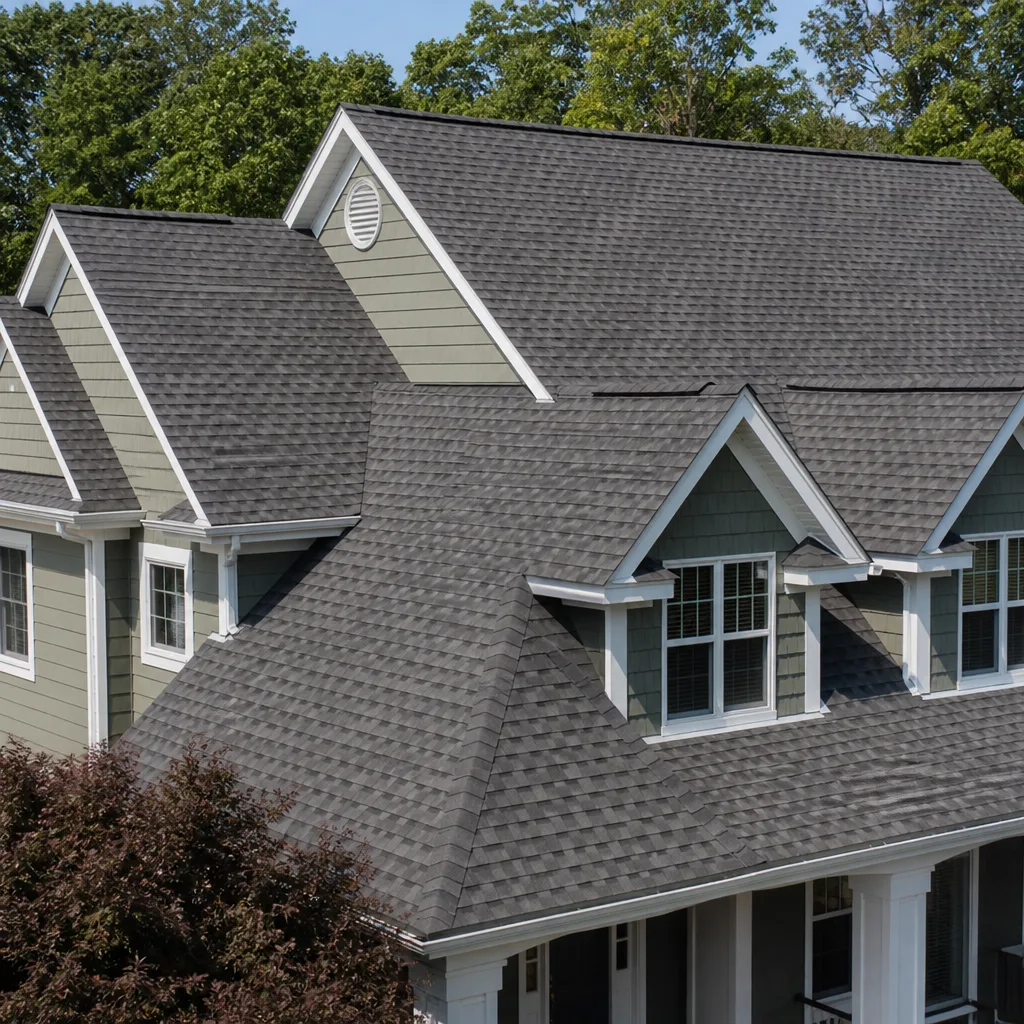 Architectural shingles
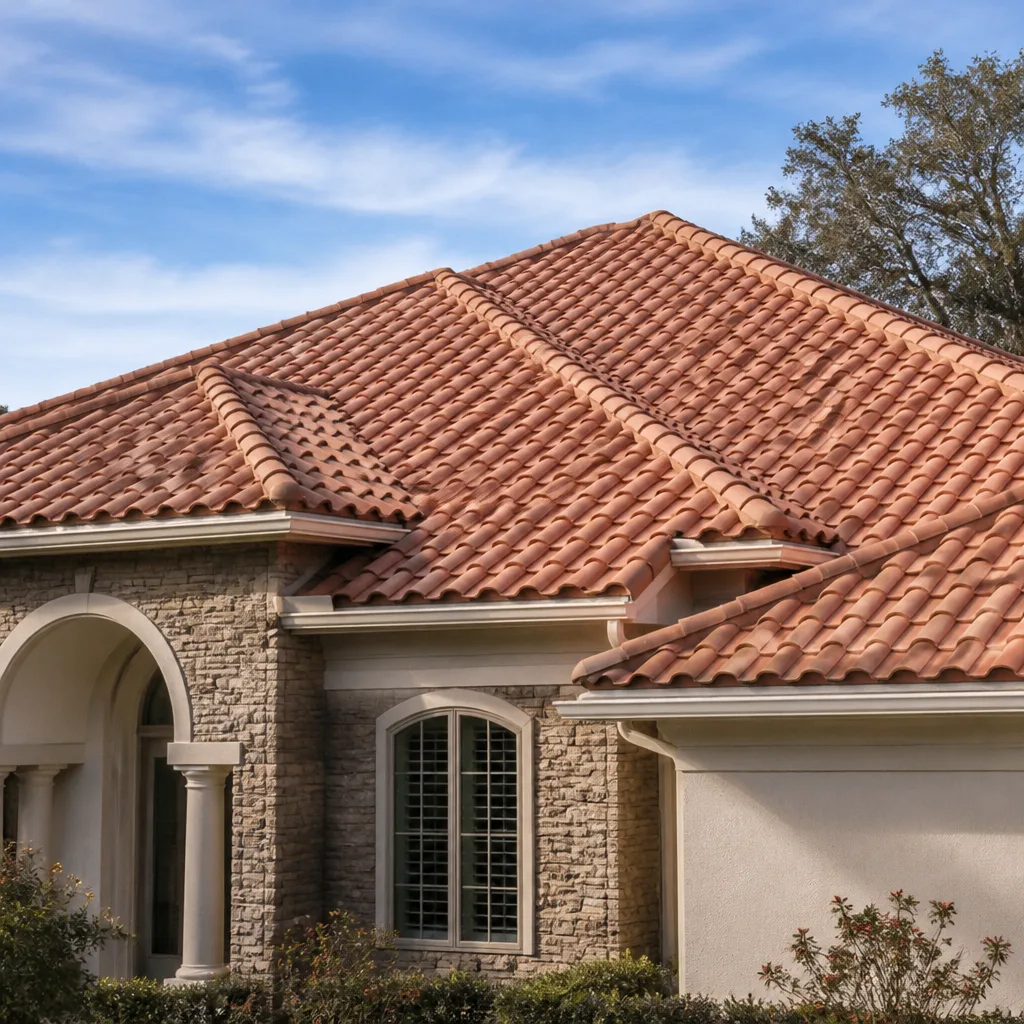 Tile roofing
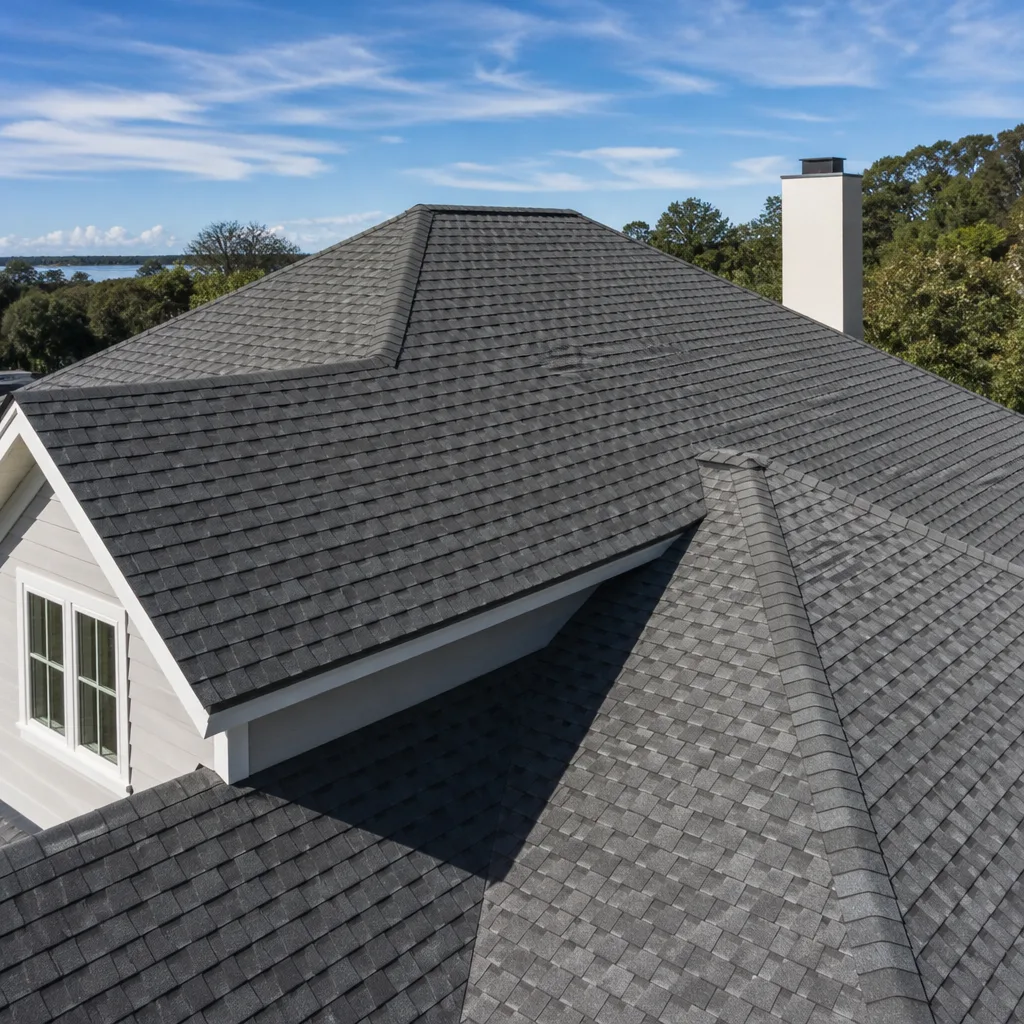 GAF
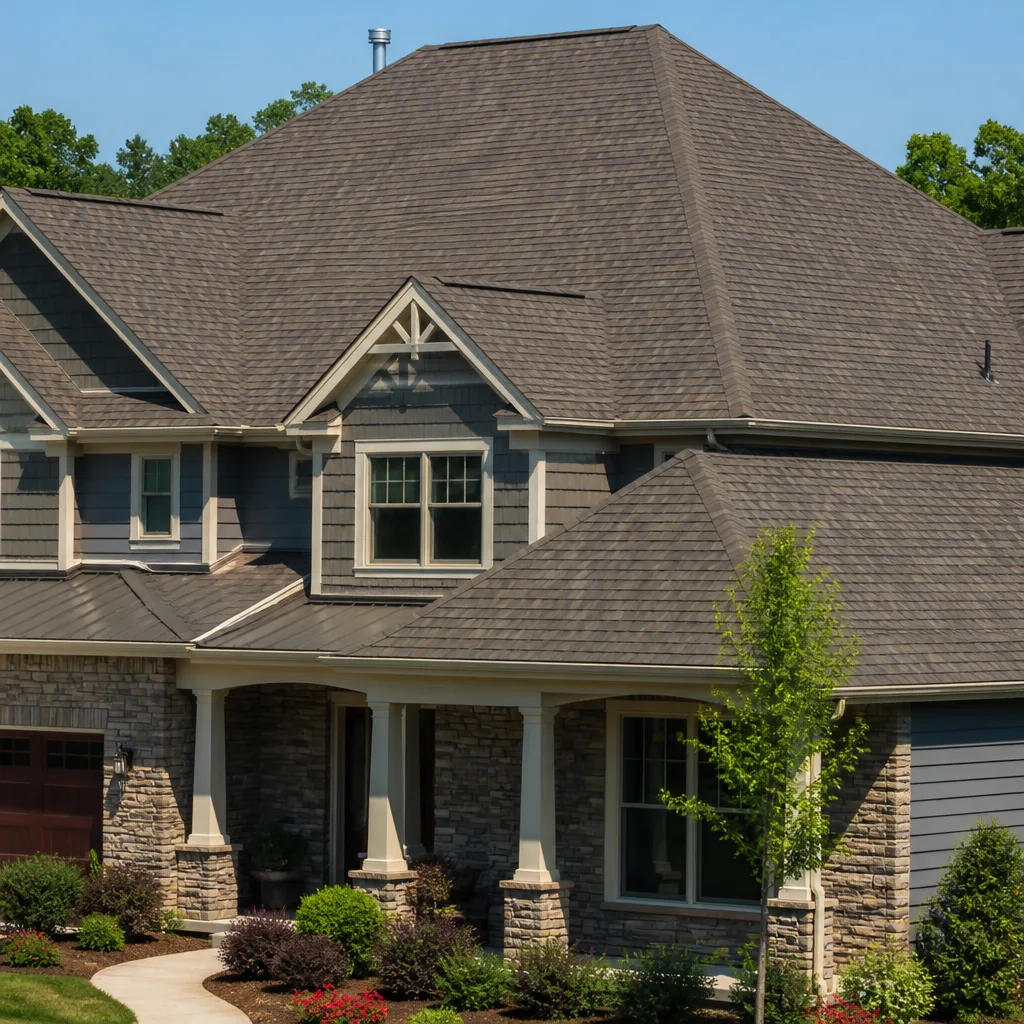 Owens Corning
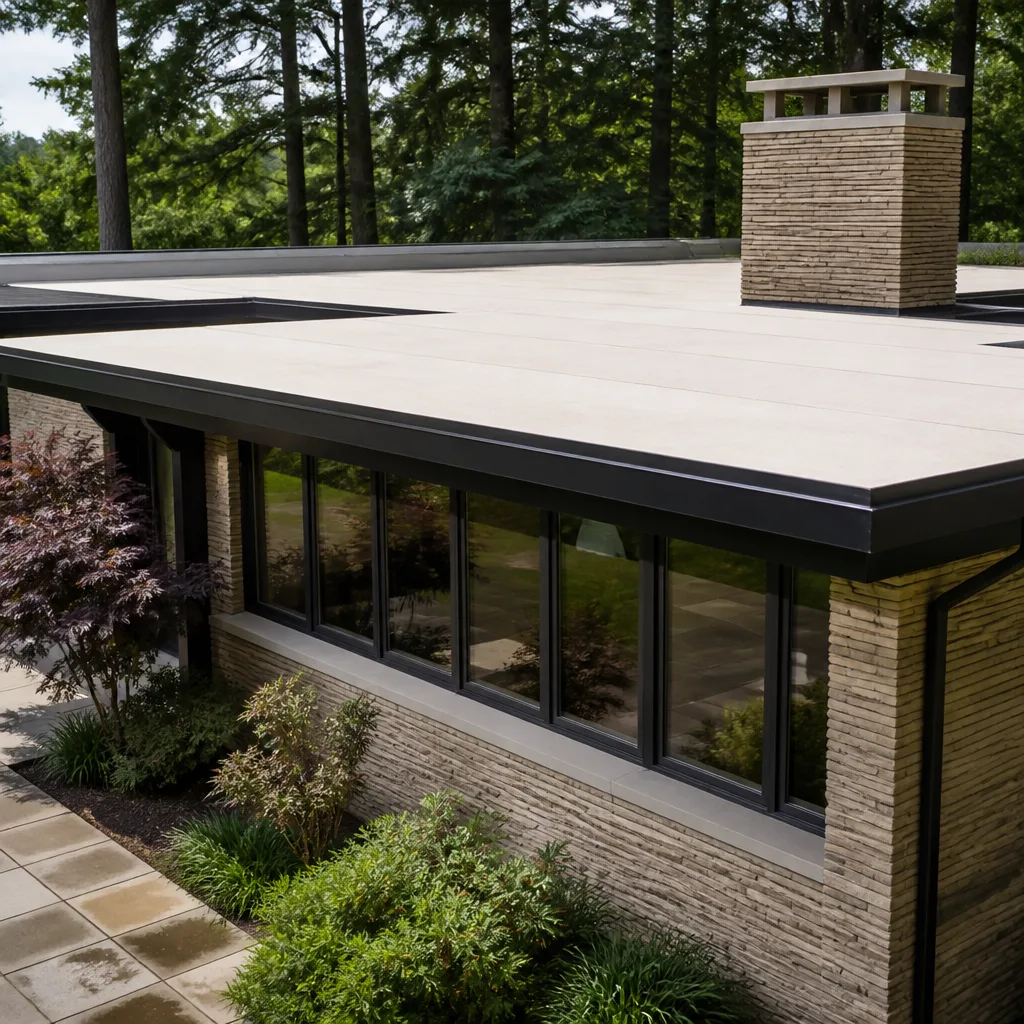 Flat & low-slope
Free roof inspection with deck photos before we talk money - GAF and Owens Corning certified installation
DIY vs Professional Roofing: The Yorba Linda Homeowner’s Decision Guide
Walking on a tile roof without knowing where to step doesn’t just risk a fall. It cracks tiles in a pattern that creates hidden water channels, and the damage won’t show up until the next rain season, months after you’ve forgotten you were up there. Yorba Linda sits in a unique position: we get intense summer heat, occasional Santa Ana winds that scour everything, and just enough winter rain to exploit every hairline fracture an amateur boot left behind. This guide walks through what you can safely handle yourself, what you shouldn’t, what the city requires, and what your insurance company will actually care about when a claim lands on their desk.
Quick Answer
For most Yorba Linda homes, DIY roofing is genuinely reasonable for gutter cleaning, visual inspections from a ladder, and minor sealant work on flat sections – but anything involving tile repair, underlayment, flashing, or structural work carries risk that outweighs the savings, as covered in our Roof Repair Troubleshooting: Common Problems and How to Fix Them. California permit rules, insurance policy language, and the specific way concrete tile fails under foot traffic make professional repair the smarter call for anything beyond surface-level maintenance.
Styles & brands we work with
Table of Contents
- What You Can Safely DIY on a Yorba Linda Roof
- Why Tile Repair Is Categorically Different From Shingle Repair
- California Permit Requirements: What DIY Re-Roofing Actually Means Legally
- Insurance Policy Language: The Fine Print DIY Guides Skip
- A Realistic Cost Comparison: Tools, Materials, and the Disposal Problem
- How to Choose a Contractor When DIY Isn’t the Answer
- Common Mistakes to Avoid
- When to Call a Professional
What You Can Safely DIY on a Yorba Linda Roof
Let’s start with the honest answer: there are a handful of roof maintenance tasks that a careful Yorba Linda homeowner can handle without professional help, and doing them well actually extends the life of your roof. The key distinction, detailed in our Roof Repair Maintenance Checklist for Yorba Linda Homeowners, is whether the task requires you to walk on the roof surface itself. If you can do it from a ladder or from the ground, it’s usually fair game. If it requires putting your body weight on tile, that’s where the risk profile changes.
Tasks You Can Reasonably Do Yourself
- Gutter cleaning from a ladder: Yorba Linda’s mature trees – particularly the eucalyptus and pepper trees common in older neighborhoods like Bryant Ranch and Travis Ranch – drop debris that clogs gutters fast. Cleaning them two or three times a year from a properly stabilized ladder is low-risk DIY work.
- Visual inspection from the ground or ladder: You can spot obvious problems without stepping onto the roof. Cracked tiles at the eaves, missing ridge caps, lifted flashing, and granule accumulation in gutters are all visible from the perimeter.
- Minor sealant touch-ups on flat sections: Some Yorba Linda homes have small flat roof areas over patios or additions. If you can reach the area without walking on sloped tile, applying elastomeric sealant to a small crack is manageable.
- Clearing debris from valleys and scuppers: Using a leaf blower from a ladder or a long-handled tool from the ground to clear the shallow valleys where debris collects helps prevent water backup during winter rains.
What You Should Not Attempt
Anything requiring you to traverse the tile field, remove tiles, fasten materials, or work near the ridge. We’ve seen the aftermath of well-intentioned DIY repairs in East Lake Village and Vista del Verde: cracked tiles that weren’t cracked before the homeowner went up, improperly seated tiles that slide out during Santa Ana winds, and sealant smeared over flashing joints that trapped water instead of shedding it. The failure pattern is consistent, and it’s expensive to undo.
Why Tile Repair Is Categorically Different From Shingle Repair
Most DIY roofing content online is written for shingle roofs, which is what dominates the housing stock east of the Mississippi. A shingle roof is forgiving: you can walk on it with reasonable care, and a damaged shingle is visibly obvious from ten feet away. Yorba Linda’s housing stock is overwhelmingly concrete tile, with clay tile on higher-end properties in Kerrigan Ranch and Enclave neighborhoods. Tile is a different animal entirely.
Walk-Load Risk: What Happens When You Step Wrong
Concrete tile has a compressive strength that sounds impressive in manufacturer data sheets – typically 2,500 to 4,000 psi. But that’s the strength of the tile itself when supported. A properly installed tile roof supports weight through the tile’s entire footprint. When you step on the wrong spot – the edge of a tile, the overlap joint, or a tile with a hairline thermal crack – you concentrate the entire load onto a small point. Tile doesn’t flex under load. It fractures.
The fracture you see is the minority of the problem. The fractures you don’t see are micro-cracks radiating from the pressure point, invisible from above and often invisible from below until water has been working through them for months. In Yorba Linda’s climate, the pattern is predictable: cracked in summer heat or during a DIY attempt, water intrusion during the next winter rain, and the homeowner connecting the dots to the wrong cause.
Hidden Crack Propagation: The Failure Mode No DIY Guide Covers
Tile failure in Southern California is frequently progressive rather than immediate. A tile with a micro-crack survives the first rain. Water seeps in, evaporates during the dry season, and leaves mineral deposits that widen the fissure. The next rain cycle pushes further. By the time the underlayment shows visible water staining on the ceiling, the problem has been developing for one to two seasons. A homeowner who was on the roof six months earlier won’t connect the dots – the leak “came from nowhere.”
Professional tile installers walk tile roofs using specific techniques: stepping on the lower third of each tile, distributing weight across two tiles simultaneously, and avoiding the unsupported edges entirely. We work with tile from Weston Roof Repair home installations on a regular basis, and the difference between a roof that’s been walked correctly and one that hasn’t is visible within a few inspections.
Why Shingle Repair Advice Doesn’t Transfer
Shingle repair typically involves lifting a shingle tab, applying adhesive or replacing the shingle, and pressing it back down. Tile repair requires lifting the overlying tiles in a specific sequence, removing the damaged tile without stressing its neighbors, inspecting the underlayment beneath, and reinstalling everything in the correct order with proper headlap. Get the headlap wrong, and you’ve created a new leak while fixing the old one. We regularly see DIY tile repairs where the homeowner used roofing cement in place of proper fastening – a temporary fix that fails during the first significant wind event.
California Permit Requirements: What DIY Re-Roofing Actually Means Legally
Here’s where the DIY question gets legally complicated, even for capable homeowners. California building codes – and Yorba Linda’s municipal enforcement of them – treat roof replacement as regulated work. The specifics matter.
What Requires a Permit in Yorba Linda
- Full roof replacement or tear-off: Always requires a permit. No exceptions. The city requires compliance with Title 24 energy standards, which in practice means cool-roof ratings, specific underlayment types, and documentation that a DIY homeowner typically can’t produce.
- Structural repairs: Replacing roof sheathing, repairing rafters or trusses, or modifying the roof structure requires a permit and an inspection.
- Re-roofing over existing tile: Not permitted in most cases under California code – the existing roof must be removed to inspect the deck.
- Minor repairs: Replacing a limited number of tiles or shingles (typically under 10% of the roof surface) generally does not require a permit, but the homeowner is still responsible for compliance with manufacturer installation specs.
The Homeowner Exemption That Doesn’t Quite Work
California law does allow a homeowner to pull their own permit for work on their primary residence, including roofing. The homeowner-exemption means you’re legally allowed to perform the work. What it doesn’t change: you still need to submit plans or specifications, pass the same inspections a licensed contractor would, and sign the same liability documentation. Most homeowners who start down this path discover that the permit process alone requires technical knowledge they don’t have – and the inspection failures are expensive to correct.
Why This Matters for Resale
Unpermitted roof work creates a disclosure requirement when you sell. Buyer’s inspectors flag it. Lenders question it. In Yorba Linda’s market, where buyer scrutiny runs high, an unpermitted DIY roof replacement can knock tens of thousands off your sale price or scare buyers away entirely. A permitted professional installation from Roof Replacement in Yorba Linda carries the documentation that protects your resale value.
Insurance Policy Language: The Fine Print DIY Guides Skip
This is the section that would have saved a lot of Yorba Linda homeowners significant money, and it’s almost never covered in DIY roofing comparisons. Your homeowner’s insurance policy is a contract with specific language about maintenance, workmanship, and disclosure. That language comes back to life when water damage shows up.
The Maintenance Obligation Clause
Virtually every California homeowners policy includes language requiring the homeowner to maintain the roof in good condition and prevent “preventable water intrusion.” When a leak claim is filed, the adjuster examines the roof. If the damage is traceable to a maintenance failure – which DIY work often constitutes, whether the homeowner intended it to or not – the claim can be denied. The insurance company doesn’t need to prove you did bad work. They need to show the damage was preventable, which is a much lower bar.
The Workmanship Exclusion
Most policies exclude coverage for “faulty, inadequate, or defective workmanship.” If a DIY repair fails and water damages your ceiling, insulation, or drywall, the subsequent water damage may not be covered because it’s traced to excluded workmanship. The same failure traced to a licensed contractor’s work is typically covered – and the contractor’s own liability insurance becomes the backstop if their work caused the problem. A DIY homeowner has no backstop. They are the backstop.
What This Means in Practice
In our experience, the most painful conversations happen when a homeowner has done a small DIY repair, the repair failed silently, and six months later the ceiling collapses in the family room. The insurance adjuster finds the failed repair, denies the claim under the workmanship exclusion, and the homeowner is now facing the full cost of water damage remediation plus the roof repair. The $400 they saved on DIY work becomes a $15,000 liability. If you’re considering DIY roof work in Yorba Linda, call your insurance agent first and ask what your policy says about workmanship exclusions and water damage traced to owner-performed work. The answer will inform your decision more than any price comparison.
A Realistic Cost Comparison: Tools, Materials, and the Disposal Problem
Most DIY roofing comparisons compare the cost of materials to the cost of hiring a contractor and stop there. The real comparison includes everything the guides forget. Here’s an honest accounting for a typical Yorba Linda tile roof repair scenario: replacing a damaged section of underlayment and the tiles above it.
What a DIY Tile Repair Actually Costs
- Replacement tiles: $2.50-$6.00 per tile depending on profile and color match. Matching vintage tile from a 1980s Yorba Linda home often requires sourcing from salvage yards at $15-$30 per tile.
- Underlayment material: $0.60-$1.10 per square foot for a single-ply synthetic product meeting California code. Minimum roll sizes mean you’ll buy more than you need.
- Fasteners and sealant: $30-$80 for the correct nails, screws, and tile-compatible sealant.
- Tool rental or purchase: A nail gun rental runs $40-$70 per day. A roofing nailer purchase is $200-$400. Extension ladders tall enough for a second-story Yorba Linda home: $30-$50 per day or $200-$500 to buy.
- Disposal: This is the line item every DIY guide skips. A torn-off section of tile and underlayment weighs hundreds of pounds. Yorba Linda’s Waste Management service won’t take construction debris in standard bins. You’ll need a roll-off dumpster at $300-$600, or multiple trips to a C&D landfill with disposal fees of $60-$120 per load in a vehicle that can legally transport that weight.
What the Same Repair Costs Professionally
A professional repair that includes underlayment replacement, tile resetting, and disposal of removed materials typically runs $1,200 to $2,800 on a Yorba Linda home, depending on the section size, accessibility, and tile type. The professional cost includes the labor, the materials, the disposal, the liability coverage, and the workmanship warranty. When you subtract the realistic DIY costs – which typically land between $400 and $900 before you value your own time at anything – the gap narrows significantly. And the professional repair carries the insurance and warranty backstops the DIY version doesn’t.
The Disposal Problem Specifically
Concrete tile is heavy. A single tile weighs 8-11 pounds. A section of 100 removed tiles is half a ton of material that has to leave your property legally. Homeowners who try to sneak this material into weekly pickup find their cans rejected, or they end up paying overweight fees that erase their savings. This is not a minor inconvenience – it’s a project-ending problem that DIY guides consistently fail to mention.
How to Choose a Contractor When DIY Isn’t the Answer
If you’ve read this far and concluded that professional help is the right call for your situation, see our How to Hire a Roofing Contractor in Yorba Linda: A Step-by-Step Guide for the next decision of who to hire. The roofing industry in Orange County rewards skepticism: there are excellent contractors and there are crews that disappear after the deposit clears. Here’s what separates them.
What to Ask Any Roofing Contractor
- “Which manufacturers are you authorized to work with?” This question reveals more than any other. A contractor locked into one brand will steer every recommendation toward that brand, whether it’s the right product for your roof or not. We work with seven major manufacturers – including GAF, CertainTeed, Owens Corning, and IKO – so the recommendation is driven by what your roof actually needs, not what’s convenient for our supplier relationships.
- “Do you offer inspection as a standalone service?” A contractor who only inspects as a prelude to a replacement recommendation has an incentive structure problem. Roof Inspection in Yorba Linda should function as a diagnostic, not a sales vehicle. If the answer is “we only inspect when we’re bidding work,” keep looking.
- “Who does the actual work?” Some companies sell the job and subcontract the work. The crew that inspects and diagnoses should be the same crew that repairs or replaces. Handoffs create communication gaps, and communication gaps create mistakes.
- “What’s your repair-first philosophy?” Roof replacement is sometimes necessary. But a contractor who defaults to replacement when a repair would solve the problem is optimizing for their revenue, not your roof. Roof Repair in Yorba Linda should be an option that gets honest consideration on every diagnosis.
Red Flags to Watch For
- Pressure to sign same-day: Legitimate roofing work doesn’t expire. A contractor who needs your signature tonight is managing their pipeline, not serving your interests.
- No pullable permit: If they’re willing to work unpermitted to save you money, they’re also willing to cut corners you can’t see.
- Storm-chaser behavior: After a significant wind event or rain season, out-of-town crews appear in Yorba Linda neighborhoods. They’re gone before the warranty becomes relevant.
- Vague written estimates: The estimate should specify materials, manufacturer, scope, and exclusions. “Full roof replacement” without detail is a blank check.
Common Mistakes to Avoid
- Using the wrong sealant on tile: Silicone and standard caulk products fail in Southern California’s UV exposure within one to two seasons. Tile-compatible elastomeric sealants are required, and even those need correct application. Bad sealant choice converts a small repair into a recurring leak.
- Walking on tile without understanding load distribution: This is the mistake with the longest cost tail. The cracks created today show up as leaks next winter, by which point you’ve forgotten the causal link.
- Skipping the permit because a neighbor did: Unpermitted work becomes a disclosure problem at sale and an insurance problem at claim time. The neighbor who “got away with it” just hasn’t faced either trigger yet.
- Comparing material costs without accounting for disposal: Half a ton of concrete tile doesn’t leave itself. The disposal cost is real, and it’s substantial enough to change the DIY value calculation on its own.
- Assuming insurance covers DIY failure: The workmanship exclusion is standard policy language, not a rare carve-out. Before any DIY roof work, call your agent and confirm what your policy says.
- Matching tile by color without checking profile: Vintage Yorba Linda homes often used tile profiles no longer manufactured. A color-matched tile with the wrong profile overlaps incorrectly, creating new leak points while fixing the visible one. Salvage yards exist for a reason.
- Treating roof inspection as optional: The difference between a $400 repair and a $22,000 replacement is often just time. Annual inspection catches problems before they compound. Skipping it to save $200 is the most expensive economy on any Yorba Linda property.
When to Call a Professional
Call a professional when the work involves walking on the tile field, touching underlayment, replacing flashing, working at height on a second-story roof, or anything requiring a permit. Also call when you see water stains on ceilings or walls – by the time water is visible inside, the roof problem has been developing for months, and accurate diagnosis matters more than fast action. If you’re not sure whether your situation warrants professional help, that’s what inspections are for. Weston Roof Repair offers free estimates in Yorba Linda – call (833) 589-6925 and we’ll tell you honestly whether you have a DIY-able maintenance task or a professional repair situation.
See the difference
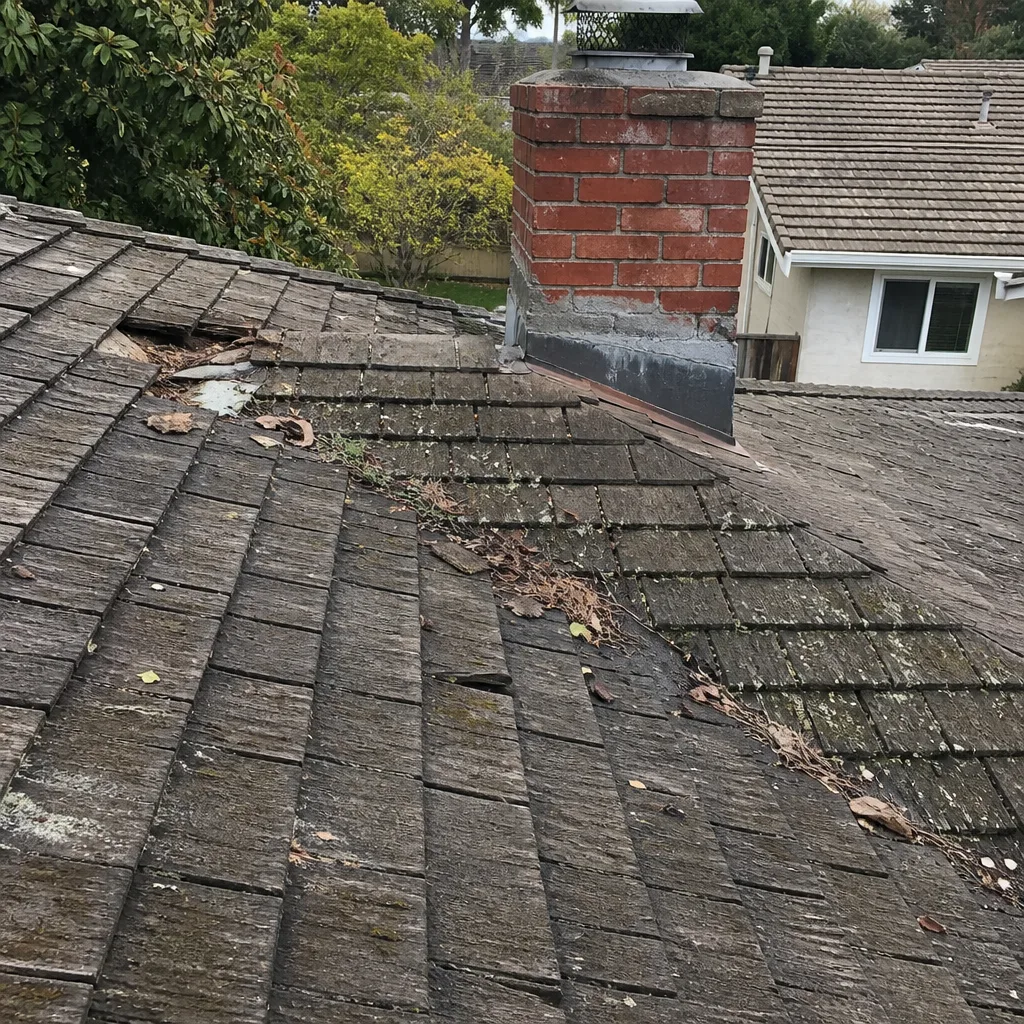 Before
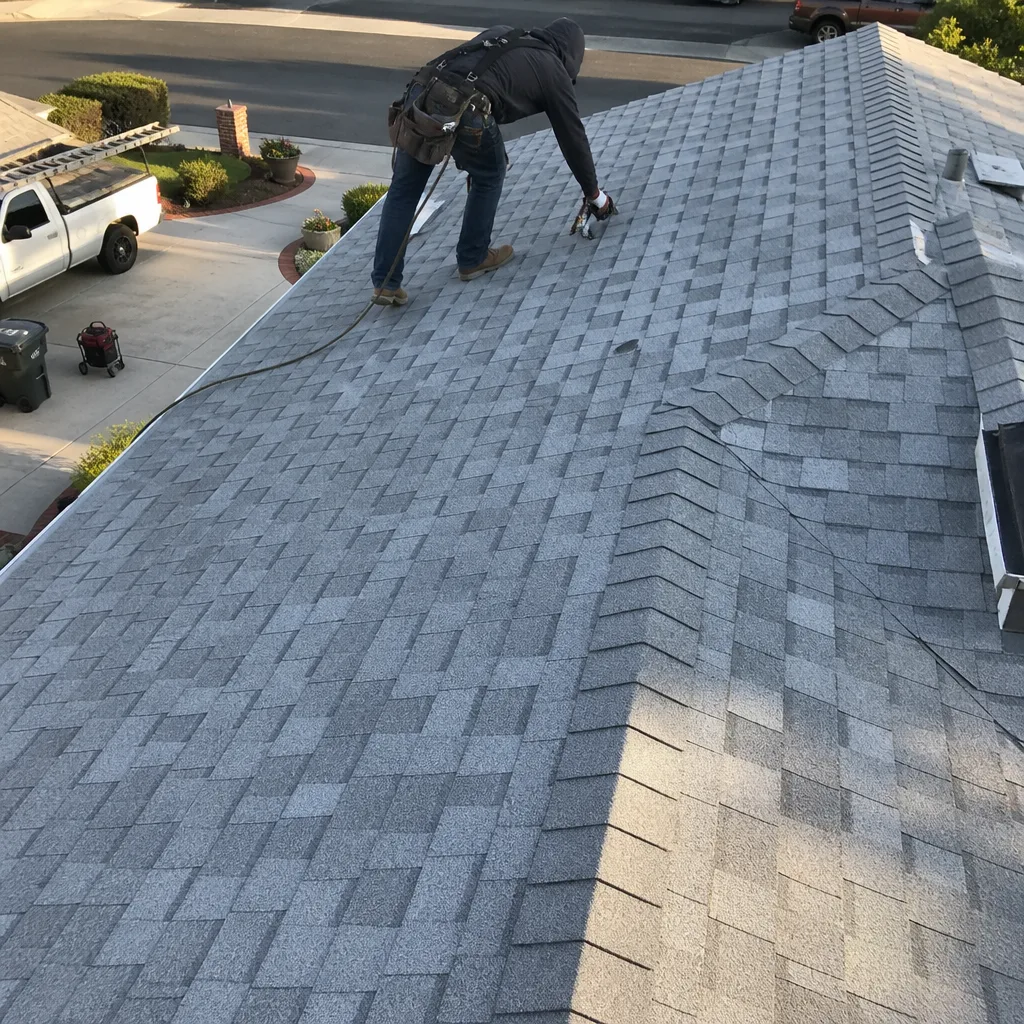 After
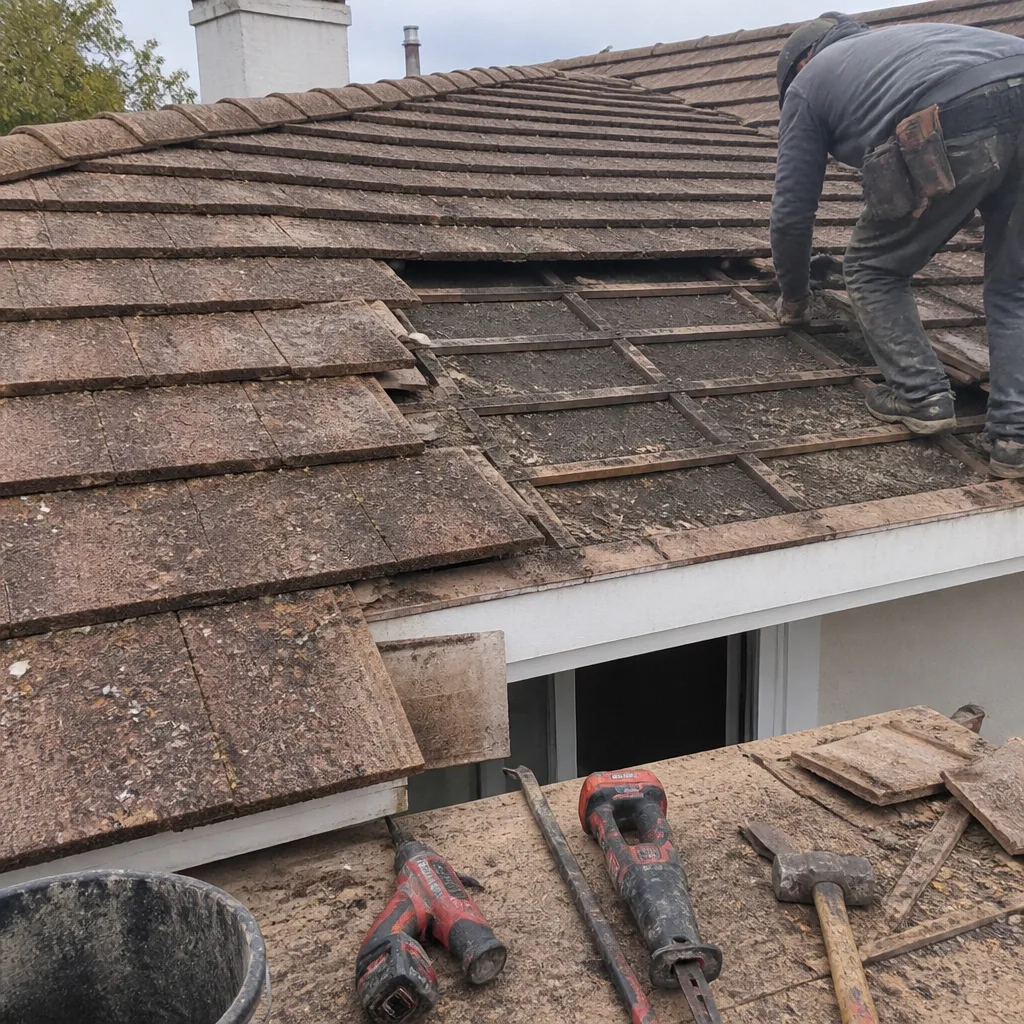 Before
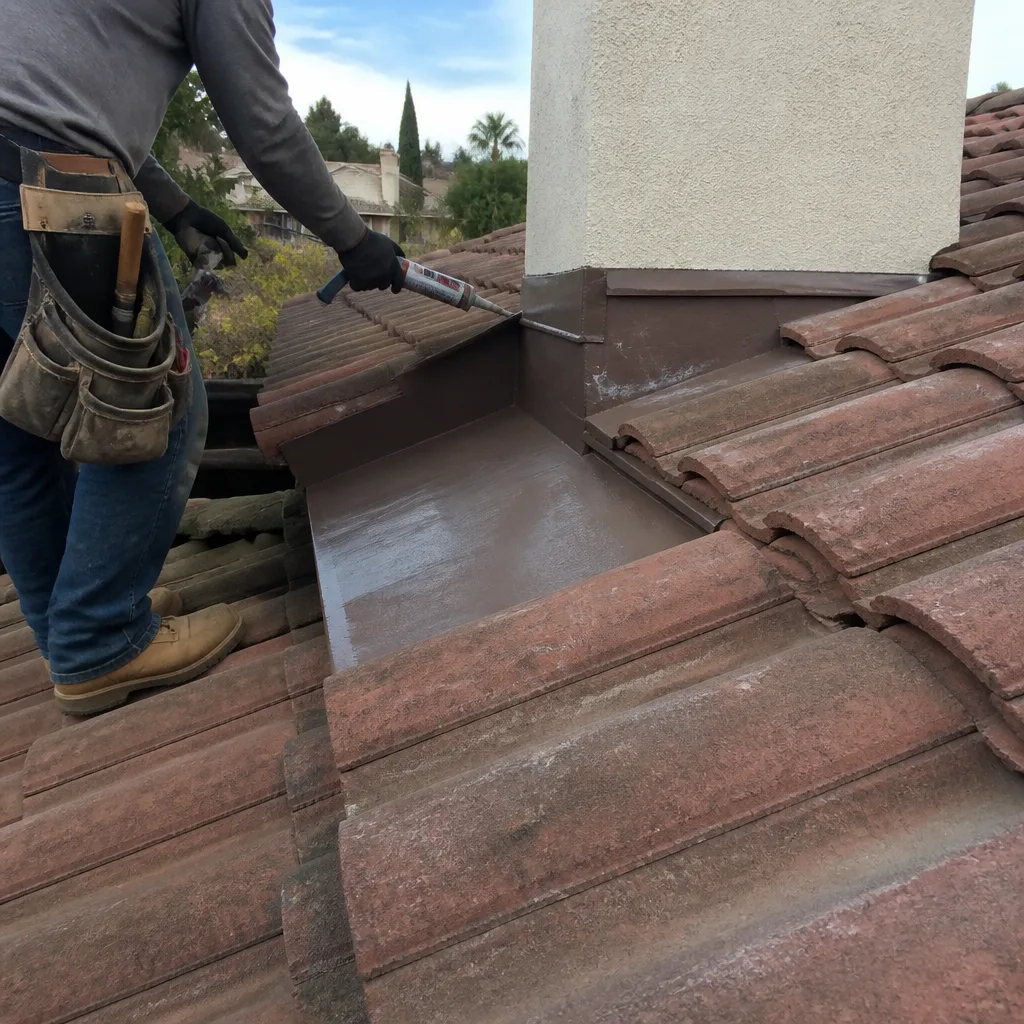 After
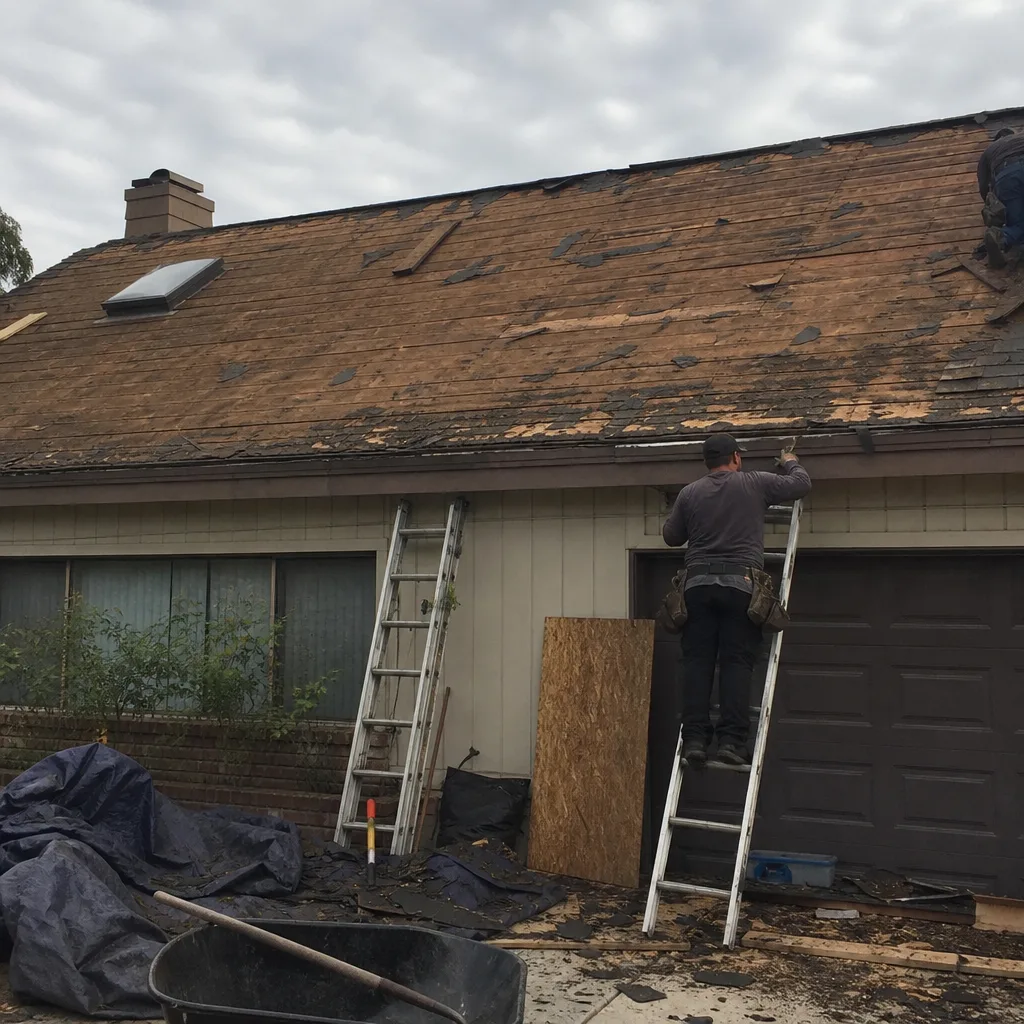 Before
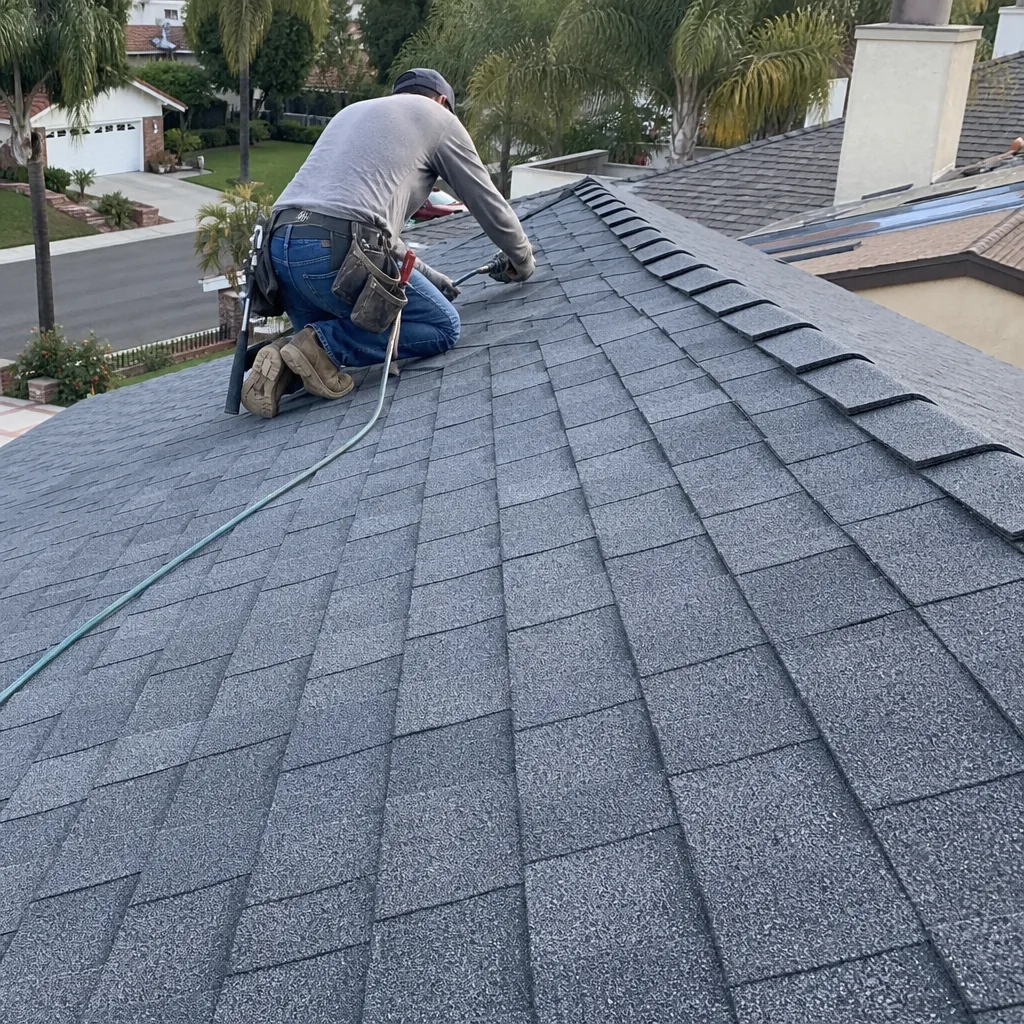 After
Frequently Asked Questions
Typical roof repairs in Yorba Linda run from $400 for a single tile replacement to $2,800 for underlayment repair with tile resetting, with full roof replacements ranging from $14,000 to $35,000 depending on the size, tile type, and complexity of the roof. The spread is wide because the failure modes are different – a cracked tile at the eave is a different job than failed underlayment under a valley. Call (833) 589-6925 for an exact quote on your specific situation – estimates are free.
You can replace a single broken tile if you can reach it safely without walking on the tile field and you have the correct replacement tile with matching profile, but even single-tile replacement from a ladder is riskier than it looks because proper seating requires lifting the overlying tiles, which is difficult to do correctly from a ladder position. Most single-tile DIY attempts fail within one rain season due to improper seating – call (833) 589-6925 and we’ll tell you if your specific tile is a safe DIY candidate.
Yes, full roof replacement in Yorba Linda requires a city permit with Title 24 compliance documentation, while minor repairs affecting less than 10% of the roof surface are generally exempt from permitting. The permit exists to verify that the work meets energy-efficiency standards and structural safety requirements – call (833) 589-6925 for guidance on whether your specific project triggers the requirement.
Most California homeowners policies exclude coverage for water damage traced to faulty or inadequate workmanship, which typically includes owner-performed roof repairs that fail and cause subsequent interior damage. Before doing any DIY roof work, call your insurance agent and ask directly about workmanship exclusions in your policy – the answer will determine whether the risk is acceptable.
The determination depends on the extent of tile damage, the condition of the underlayment, the roof’s age, and whether there are multiple failure points or a single isolated issue; a standalone inspection gives you a definitive answer without any obligation to buy work. We offer inspection as its own service specifically so homeowners can understand their roof’s condition before any spending decision.
Concrete tile dominates Yorba Linda for good reason: it handles the summer heat load, stands up to Santa Ana wind scour, and offers a long service life in Southern California’s specific climate, while clay tile offers a premium aesthetic on higher-end homes at a higher price point. The best material for your home depends on your roof’s existing structure, your budget, and your aesthetic preferences – and a brand-neutral contractor can walk you through the tradeoffs without pushing a single product line.
The Bottom Line
The DIY vs professional roofing decision in Yorba Linda comes down to one question: are you working on the roof, or are you working on the surface? Gutter cleaning, visual checks, and sealant touch-ups on flat sections are legitimate homeowner tasks. Walking on tile, touching underlayment, and replacing flashing are professional territory – not because homeowners lack skill, but because the failure modes are invisible until they’re expensive. Combined with California permit requirements and insurance policy language that penalizes unpermitted and owner-performed work, the honest answer is that most Yorba Linda roofing decisions solve themselves once you understand the real stakes. For anything beyond surface maintenance, get an inspection, understand your options, and make an informed call. Find more guides & resources on our blog. Weston Roof Repair offers free estimates in Yorba Linda – call (833) 589-6925.
Written by the team at Weston Roof Repair, serving Yorba Linda since 2015.