Last updated October 30, 2026
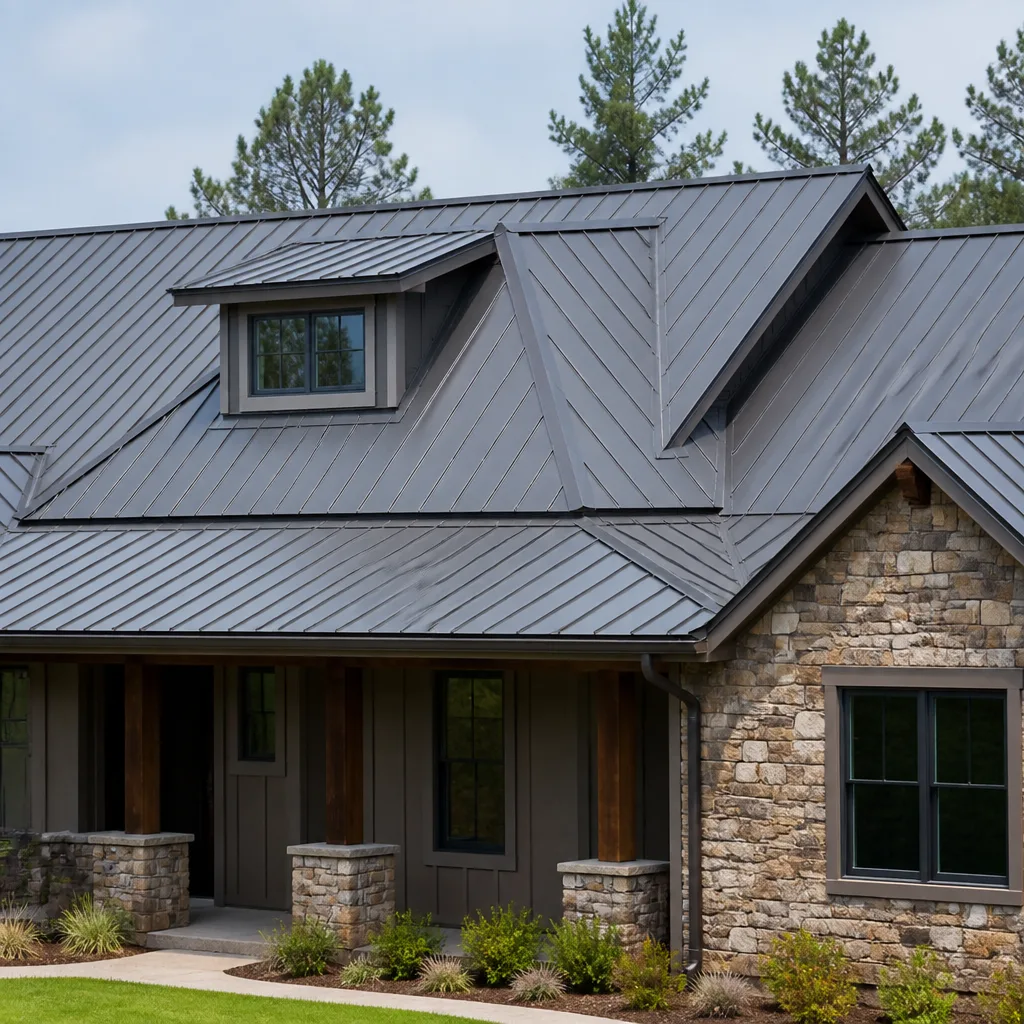 Metal roofing
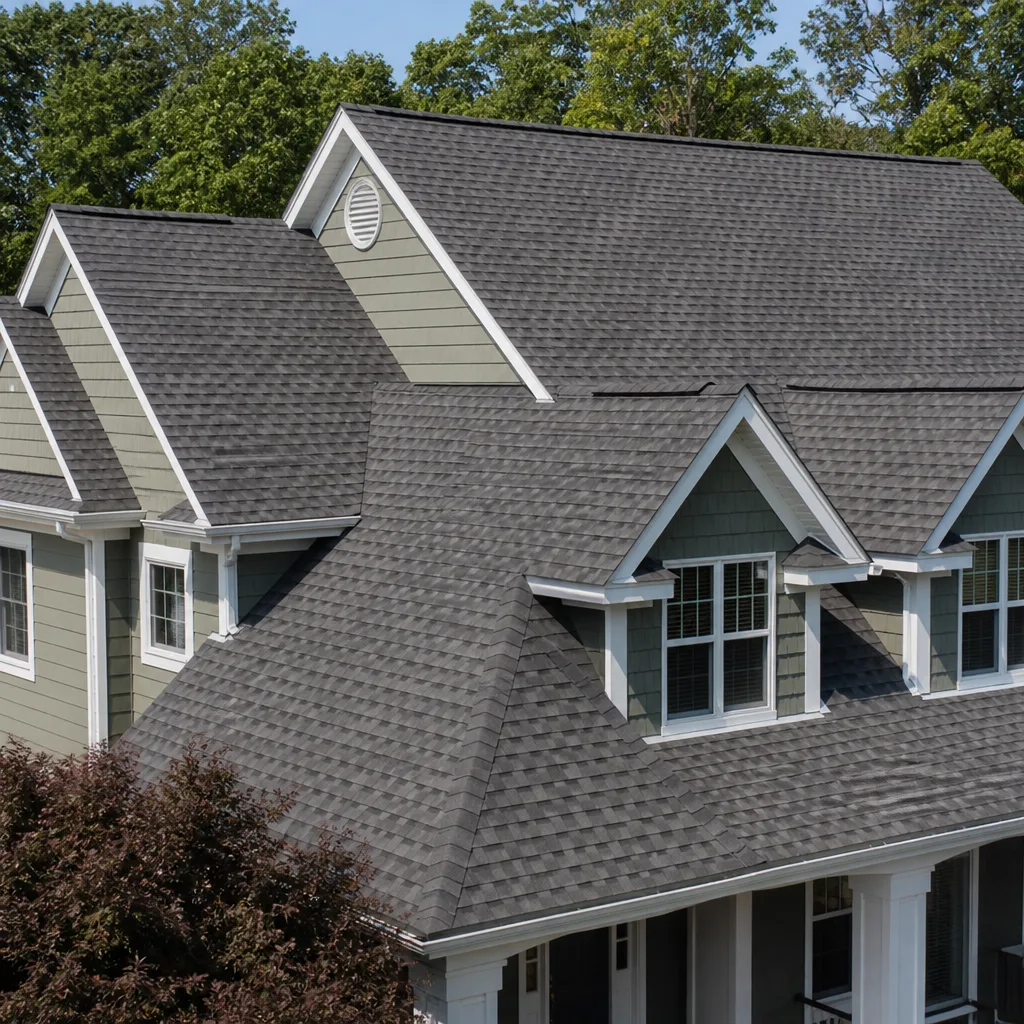 Architectural shingles
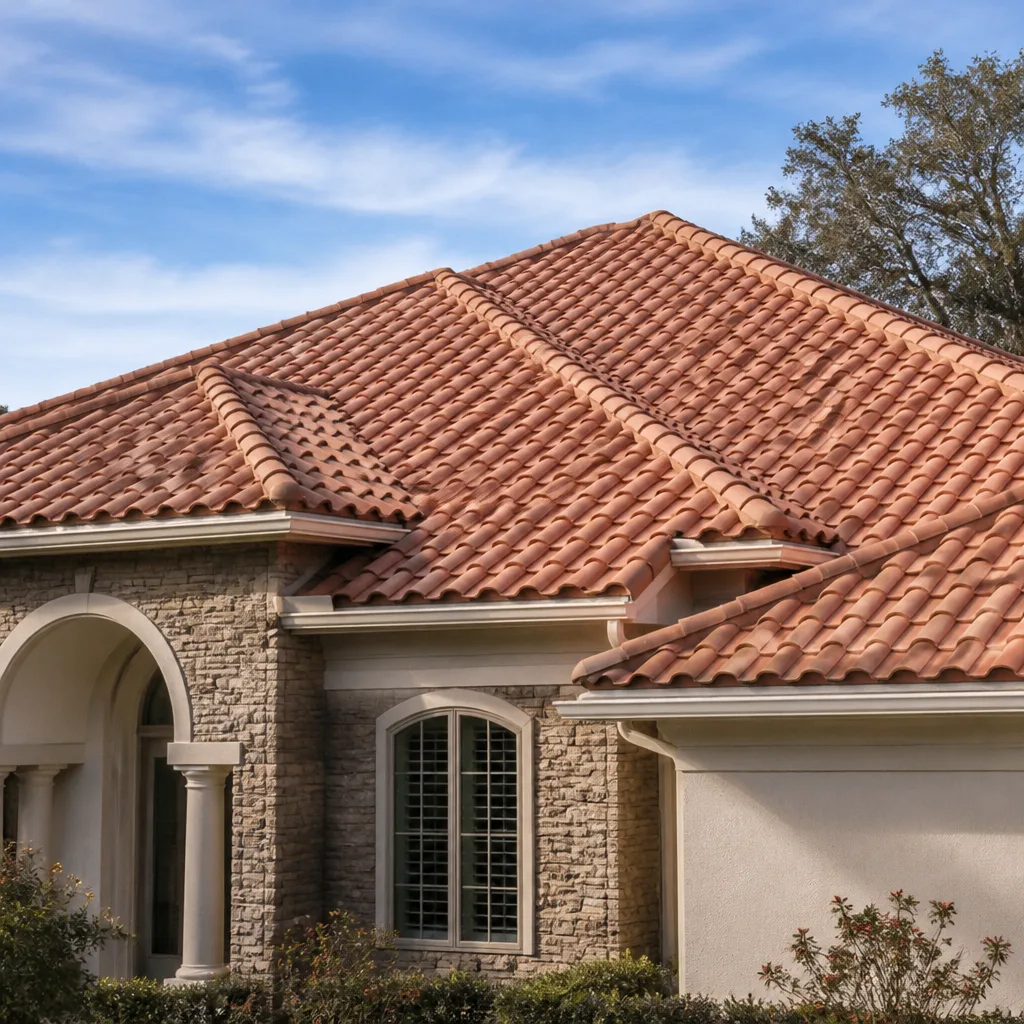 Tile roofing
 GAF
 Owens Corning
 Flat & low-slope
Free roof inspection with deck photos before we talk money - GAF and Owens Corning certified installation
Seasonal Roofing Care for Yorba Linda: Year-Round Homeowner’s Guide
Yorba Linda gets roughly 15 inches of rain per year, but most of it falls in a six-week window. That means a single undetected flashing gap can let in more water damage than a Seattle home takes in three months. It also means the roof you ignore in October is the roof that fails in December. This guide maps real maintenance tasks to the actual risk windows in Yorba Linda: the Santa Ana season, the short winter rain period, and the two maintenance windows in between that most homeowners waste. You’ll learn what to check, when to check it, and when the right move is a phone call instead of a ladder.
Styles & brands we work with
Quick Answer
Effective roof care in Yorba Linda means front-loading your maintenance into two windows: September through early October (before Santa Ana winds peak) and April through May (after the rain has stopped). The two high-risk periods are October through December for wind-driven debris and January through March for concentrated rain. A professional Roof Inspection in Yorba Linda costs less than the water damage it prevents, and the best time to schedule one is before either risk window opens, not after the first storm hits.
Table of Contents
- Why Yorba Linda Has Two Risk Windows, Not Four Seasons
- September – October: Preparing for Santa Ana Wind Season
- November: Closing Gaps Before the Rain Window Opens
- December – March: Monitoring the Narrow Rain Period
- April – May: Spring Granule Check and Post-Rain Inspection
- June – August: Attic Temperature as a Ventilation Diagnostic
- Sealant Work and the Yorba Linda Temperature Problem
- Common Mistakes to Avoid
- When to Call a Professional
- Frequently Asked Questions
- The Bottom Line
Why Yorba Linda Has Two Risk Windows, Not Four Seasons
Most roofing guides break the year into four seasons and hand you a checklist for each. That framework fails in Yorba Linda because the actual threats don’t align with the equinoxes. What we have instead are two compressed danger windows and two longer stretches where preventive work actually sticks. The danger windows are Santa Ana season, which runs roughly October through January with dry offshore winds gusting well past 50 mph, and the rain window, which in most years concentrates 70 to 80 percent of the annual precipitation into January, February, and March. Everything outside those windows is preparation or recovery time.
Santa Ana winds are harder on Yorba Linda roofs than rain, and that surprises homeowners. Wind doesn’t announce itself the way a downpour does. It works the edges: lifting shingle tabs, loosening ridge cap mortar, prying at flashing fasteners, and loading debris into valleys where it can sit for months. Rain then finds the openings wind created. That’s the sequence in most of our damage calls: wind first, then water. A roof that survived three years of Santa Ana seasons without issue can fail in the fourth because the damage was cumulative. The shingle had been lifting for two seasons before the rain ever found it.
This is why the “year-round maintenance” framing, while well-intentioned, misses the point. You don’t need to be on your roof every month. You need to be on it at the right times, and more importantly, you need to know what you’re looking for when you are. The rest of this guide lays out that timing and those specific checks, in the order the calendar actually demands.
September – October: Preparing for Santa Ana Wind Season
The first Santa Ana event of the season often arrives in October, and it’s rarely gentle. By late September, daytime highs have dropped out of the triple digits, and the morning marine layer is gone. This is the window to get eyes on the roof and do the work that prevents wind-driven damage. The most important checks are specific, and they’re not the ones you’ll find on a generic seasonal checklist.
Ridge cap mortar comes first. On tile roofs, which are common throughout East Lake Village, Bryant Ranch, and the older parts of central Yorba Linda, the mortar that locks ridge tiles in place cracks over time. A 60 mph gust gets under a loose ridge tile and the whole course can go, one tile taking the next with it. Look for hairline cracks, missing chunks, or mortar crumbs in the gutters directly below the ridges. Flashing fasteners are the second check. Anywhere roof planes meet walls, chimneys, or skylights, the flashing should be tight to the surface with fasteners intact. Wind works loose fasteners slowly, and by the time water gets through, the gap has been developing for months.
Valley debris clearance is the third task and the most commonly skipped. The V-shaped valleys where roof planes meet collect leaves, twigs, and dead grass through the summer. A loaded valley blocks drainage and gives wind something to pack and push under shingles. Clearing valleys in late September takes an hour and prevents the single most common wind-related repair we see in Yorba Linda.
Here’s the September – October Santa Ana prep sequence, in order:
- Clear all debris from valleys, gutters, and behind chimneys. This is a two-person job on most roofs: one on the ladder, one on the ground.
- Inspect ridge cap mortar for cracks and missing sections. Tile roofs need this every fall. Shingle roofs should have ridge cap shingles checked for lifting.
- Check flashing fasteners at all wall junctions, pipe penetrations, and skylight curbs. If a fastener is loose, resecure it. If the flashing is torn, it’s a repair item before the wind season starts.
- Walk the perimeter and check for loose shingle tabs or lifted tile edges. Any shingle that moves when you press on it is a failure waiting for a gust.
- Trim back branches that overhang the roof. The goal is a minimum of three feet of clearance to keep wind from whipping branches against shingles.
If any of this requires getting onto a roof with steep pitches or tile, that’s a job for a professional. Tile roofs in Yorba Linda’s hillside neighborhoods can be extremely steep, and a fall from even a single-story roof causes serious injury. We do Roof Repair in Yorba Linda calls every October for wind damage that would have been a five-minute fix in September. The difference is usually that someone skipped the fall prep work.
November: Closing Gaps Before the Rain Window Opens
November is the most important month on the Yorba Linda roofing calendar, and most homeowners don’t realize it. The rain isn’t here yet, but it’s coming, and every opening in the roof is about to become a water intake point. In Seattle or Portland, a slow leak might add up over months. In Yorba Linda, the same leak delivers the entire season’s water budget in three or four storms. The time to close gaps is November, not when the first storm is forecast.
Start with a sealant inspection. The vulcanized rubber boots around plumbing vent pipes dry out and crack in our heat. A cracked boot admits water directly into the attic, and it’s one of the most common leak sources we repair. Check every pipe boot for splitting, especially on the sun-exposed south and west slopes. Check the sealant beads at all wall flashings and curb corners. In Yorba Linda’s climate, most exterior sealants have a working life of three to five years before UV degradation wins. If the sealant is chalky, cracked, or pulling away from the surface, it’s time to remove and reapply before the rain window opens. This is not the month to skip that work: sealant applied in November cures before the first storm. Sealant applied in July or August often fails prematurely because of heat, which I’ll address later.
Also in November: clean the gutters again. Not because the trees dropped more leaves in the last six weeks, though they did, but because a clogged gutter in a rainstorm backs water up under the shingle edges. The roof deck at the eave line is one of the first places rot develops. And while you’re at it, note any gutter seams that drip or sag, because those direct water against the fascia and the soffit, and the damage happens in hours during a big storm, not weeks.
The November checklist:
- Inspect all pipe boot flashings for cracks and UV damage.
- Check sealant beads at wall junctions, chimneys, and skylight curbs.
- Clear gutters and downspouts completely, then test with a hose to confirm flow.
- Check attic for existing water stains with a flashlight, focusing on the areas under roof penetrations.
- Verify that all roof vents are secured and that no wildlife has started nesting under them.
One more November task that pays off: take photos of your roof on a clear day. After a storm, having a photo reference of what the roof looked like pre-storm helps identify what actually changed. We recommend this to every customer who has us out for a fall inspection. It makes insurance conversations simpler if storm damage does occur.
December – March: Monitoring the Narrow Rain Period
Once the rain starts, the maintenance mindset shifts from prevention to detection. The goal during December through March is to catch water intrusion early, before it becomes a structural problem or a mold problem. You don’t need to be on the roof during this window. In fact, you shouldn’t be. Wet roofs are slippery, and the wetter months are the worst time to be walking on tile. What you need is an interior monitoring habit.
During and immediately after rainstorms, check the attic with a bright flashlight. Look at the underside of the roof deck for darkening, and look at the floor joists and insulation near any roof penetrations: plumbing vents, exhaust fans, skylights. The pattern you’re looking for is staining that wasn’t there before. Water always travels before it appears, so also check walls and ceilings near the roofline, and pay attention to any rooms that develop a musty smell. By the time a ceiling shows a water stain, the leak has been working for longer than most people assume.
The rain window in Yorba Linda is narrow, but it’s intense. Storms that drop two inches in a few hours are common, and saturated soil plus wind means trees and large branches occasionally come down. After any storm with high winds, do a ground-level visual check of the roof. Look for lifted shingle edges, displaced tile, or branches that are now resting on the roof surface. If tree debris is sitting on the roof, it’s holding moisture against the shingles, and it needs to come off before the next storm.
Also in this window: if you see water in the attic or a ceiling stain, don’t wait for the dry season to address it. A roof leak in February is a repair we can do, and leaving it until May means the rot and mold window expands by two months. This is the point in the year where a Roof Repair in Yorba Linda call is the right call, not a postponed one. The damage compounds while you wait.
April – May: Spring Granule Check and Post-Rain Inspection
Once the rain stops, usually by late March or early April, the best maintenance window of the year opens. The weather is mild, the roof is dry, and the evidence of winter is all still on display. Spring is when a thorough inspection reveals everything the rain season did to your roof, and it’s also when the earliest signals of shingle aging are visible if you know where to look.
The granule check is the specific diagnostic most Yorba Linda homeowners skip. Asphalt shingles shed their ceramic granules as they age, and the granules wash into the gutters. In spring, after the winter rains, the gutters are a direct read on shingle condition. A light dusting of granules is normal for any shingle roof more than a few years old. But if the gutters contain accumulated piles of granules, or if the bottom of the downspouts show thick deposits, that’s the shingle surface actively eroding. The granules protect the asphalt from UV, and once significant granule loss happens, the shingles age fast. This is typically the stage where Roof Replacement in Yorba Linda becomes a real conversation, not a theoretical one.
The spring inspection should also include:
- All the fall checks, repeated: ridge cap mortar, flashing, valley debris.
- Water staining in the attic, now confirmed dry, that indicates active leaks from the winter.
- Gutter condition: sagging sections, pulled hangers, overlapping seams that separated.
- Any shingle tabs that are cupping, curling at the edges, or missing.
- Evidence of rodent or bird activity: nests at the eave line, chewed fascia, burrowed insulation.
Spring is also the right time for a professional Roof Inspection in Yorba Linda if you haven’t had one in the last two to three years. We do these as a standalone service, and we’re clear about what they are: a diagnostic report on your roof’s condition, not a sales pitch. The report tells you what’s failing, what’s marginal, what’s fine, and what to watch. You decide what to do with that information on your own timeline.
June – August: Attic Temperature as a Ventilation Diagnostic
Summer in Yorba Linda is hot, and it’s dry, and the roof rarely gets attention because nothing is happening to it. That’s a mistake, because the heat itself is doing something to the roof, and there’s a simple way to measure it from inside your home. Attic temperature during the summer months is the single most useful diagnostic for roof ventilation health, and almost no homeowner checks it.
Here’s the logic: a properly ventilated attic in Yorba Linda should run roughly 15 to 20 degrees above the outside air temperature on a hot afternoon. If the outside is 95 degrees, an attic at 115 degrees is doing fine. If the attic is at 140 degrees, the ventilation system has failed: the intake vents are blocked, the exhaust vents are under-sized, or the air flow path is obstructed. The easiest check is a simple thermometer placed in the attic, or even a remote sensor if you have one. At the height of a Santa Ana heatwave, compare the attic reading to the outdoor temperature and do the math.
Why does this matter for the roof? Because asphalt shingles fail from the top down and the bottom up. The top-down failure is UV radiation, which we can’t control. The bottom-up failure is heat: an over-heated attic bakes the shingle mat from underneath, accelerating the loss of volatiles in the asphalt and making the shingles brittle. The cupping and curling that eventually forces a re-roof often starts as a ventilation failure that nobody noticed. By the time the shingles are visibly curling from the ground, the damage has been accumulating for years.
A ventilation failure also drives up cooling costs and makes the second floor rooms uncomfortable in July and August. If your upstairs is consistently 10 degrees warmer than your downstairs, and the attic is hot to the touch when you open the hatch, the ventilation likely isn’t doing its job. The fix is often straightforward: clearing blocked soffit vents, adding a ridge vent, or balancing intake and exhaust. These are roof modifications, not repairs, and they’re part of what a good Weston Roof Repair home inspection covers. We check ventilation on every inspection because we know from experience that a well-ventilated attic adds years to a roof in this climate.
Sealant Work and the Yorba Linda Temperature Problem
There’s a reason we’ve mentioned sealant multiple times in this guide, and it’s a reason specific to Yorba Linda’s climate that most out-of-town roofing companies don’t account for. Sealant is one of the cheapest materials on a roof, but applying it at the wrong time is a complete waste of money because the heat undoes it before the rain ever arrives.
Most high-quality exterior sealants have a working temperature range, typically listed on the tube, with an upper limit around 120 degrees Fahrenheit for proper application and curing. The surface temperature of a roof in Yorba Linda in July or August easily exceeds 140 degrees, and on darker shingles it can pass 160 degrees. Sealant applied to a hot roof in midsummer skins over before it has cured properly, leaving it vulnerable to cracking within weeks. It also bonds poorly to a hot, expanding substrate, so when the cooler weather comes and the metal flashing contracts at a different rate than the sealant, the bond fails.
The same problem applies to winter applications at the other end of the range. Most sealants require a surface temperature of at least 40 degrees to cure, and while Yorba Linda rarely gets that cold, damp conditions interfere with proper adhesion. What this means practically: the valid sealant windows in Yorba Linda are spring and fall. April – May and October – November are the months when surface temperatures are in the sweet spot and the bond will actually last.
This is the specific reason we schedule most of our sealant work in those windows. A homeowner who calls in July asking for a sealant repair to stop a leak will often be advised to use a temporary roof repair tape until the fall window, because the sealant they’d apply now will fail again before winter. That’s the kind of honest advice we give at Weston Roof Repair, and it’s not the kind of thing a manufacturer data sheet tells you. We work with products from GAF, CertainTeed, Owens Corning, and four other leading manufacturers, and across all of them the sealant timing issue is the same. It’s a climate problem, not a product problem.
Common Mistakes to Avoid
- Treating roof maintenance as a single fall task. Yorba Linda’s risk is concentrated in two windows, and the preparation tasks for each are different. Doing one big fall checkup is better than nothing, but the post-rain spring check is where granule loss and interior leaks are caught early.
- Applying sealant in July or August. On a hot roof, sealant bonds poorly and fails within weeks. If a summer repair is necessary, it should be temporary until the fall window opens.
- Waiting for a leak to check the attic. Water stains are visible in the attic long before they appear on a ceiling. Checking the attic after every major storm catches leaks at the earliest stage, when repairs are cheap and contained.
- Skipping the granule check because the gutters look “fine.” The gutters are the diagnostic. A normal-looking gutter can be carrying significant granule load down the downspout, and that’s the early warning of shingle end-of-life. Look at the downspout outlets specifically.
- Ignoring overhanging branches until after a storm. Limbs over the roof are a wind damage multiplier. They pound shingles in the wind, drop debris into valleys, and can become projectiles. The three-foot clearance rule is a real guideline, not a suggestion.
- Assuming tile roofs don’t need maintenance. Tile is durable, but the underlayment fails the same way shingles do, and mortar cracks can let wind under tiles. A tile roof still needs the fall ridge cap and flashing checks every single year.
- Doing steep-roof work without proper safety equipment. The most expensive roof repair is the one that starts with a trip to the emergency room. If the roof pitch is steep or the tile is fragile, call a professional. The cost of a fall dwarfs any maintenance item on this list.
When to Call a Professional
There are tasks on this list that a comfortable homeowner can handle: clearing gutters, checking the attic with a flashlight, photographing the roof, noting granule accumulation. And there are tasks that should always be a professional’s job. If the roof is steep, tile, or two stories, stay off it. If you find a leak source in the attic, the fix likely involves roof work, not interior work. If the spring inspection turns up curling shingles, heavy granule loss, or failing flashing, the decisions get more complex: Is this a repair or a replacement? Can the affected area be addressed without tearing off more than needed? We work with GAF, CertainTeed, Owens Corning, IKO, Atlas, Tamko, and Boral, so our recommendations are based on what your roof actually needs, not what we stock. That matters when the question is repair versus replace. Weston Roof Repair offers free estimates in Yorba Linda. Call (833) 589-6925 to schedule one, whether it’s a one-time inspection or a repair you already know you need.
Frequently Asked Questions
Every two to three years is the right cadence for most Yorba Linda homes, though older roofs or roofs that have survived multiple Santa Ana seasons may benefit from annual inspections. A professional Roof Inspection in Yorba Linda catches cumulative wind damage and early shingle aging before they become leaks. If the roof is over 15 years old, annual is a reasonable schedule. Call (833) 589-6925 to schedule an inspection at your convenience.
Clearing debris from valleys and gutters in late September, before Santa Ana winds peak, is the single most impactful task. Debris blocks drainage, accelerates shingle wear, and gives wind something to pack under shingle edges. It’s a one-hour task that prevents the most common wind damage we see in Yorba Linda.
Yorba Linda sits in a high fire hazard severity zone under California’s building code, which means certain roof coverings are restricted for new construction and full replacements. Existing roofs are generally grandfathered, but if you’re planning a Roof Replacement in Yorba Linda, the material needs to meet the current fire-rated assembly requirements. We can explain the options during a free estimate. Call (833) 589-6925.
Inspection costs vary depending on roof size, pitch, and whether accessibility equipment is needed, but a standard visual roof inspection in Yorba Linda typically runs between $150 and $400. At Weston Roof Repair, the inspection is a standalone diagnostic service, not a loss-leader for a sales pitch. The report tells you what’s wrong, what’s marginal, and what’s fine, regardless of whether you ever use us for repairs.
Yes, temporary repairs can be made during the rainy season, but permanent repairs are better done once surfaces are dry. If water is actively entering during a storm, a tarp or temporary roof repair tape can stop the immediate damage until the dry window arrives. We handle emergency repairs in Yorba Linda throughout the winter months. Call (833) 589-6925 if you’re seeing active water intrusion.
An asphalt shingle roof in Yorba Linda typically lasts between 18 and 25 years, depending on ventilation, sun exposure, and maintenance. Tile roofs can last considerably longer, often 50 years or more, but the underlayment beneath the tile usually needs replacement at the 25 to 30 year mark. The roofs that fail earliest are consistently the ones with poor attic ventilation and no fall maintenance routine.
The deciding factors are the extent of damage, the age of the roof, and whether the deck is in good condition. A few missing shingles or a failed flashing is a repair. Widespread curling, heavy granule loss, or deck rot under the shingles pushes toward replacement. We believe in the repair-first approach, and we’ll tell you straight if a repair will genuinely solve the problem. The best way to know is a professional inspection with an honest report.
The Bottom Line
Yorba Linda roofing care isn’t a year-round obligation, but it is a year-round awareness. The work concentrates into two preparation windows: September through October before the Santa Ana winds, and April through May after the rain has stopped. The two danger windows are October through December and January through March, and during those periods the job is detection, not maintenance. Valley clearing, ridge cap checks, and flashing fastener inspections in the fall. Granule analysis, attic staining checks, and ventilation assessment in the spring. If you do those four things consistently, your roof will last longer, leak less, and cost you less over its life than the roof of a neighbor who “doesn’t think about it.” And if you ever want a second set of eyes without any pressure, that’s exactly what we do.
Written by the team at Weston Roof Repair, serving Yorba Linda since 2015. We work with seven major roofing manufacturers including GAF, CertainTeed, Owens Corning, IKO, Atlas, Tamko, and Boral, so your roof gets the right material, not the one we happen to stock. Call (833) 589-6925 for a free estimate.
See the difference
 Before
 After
 Before
 After
 Before
 After