Last updated October 30, 2026
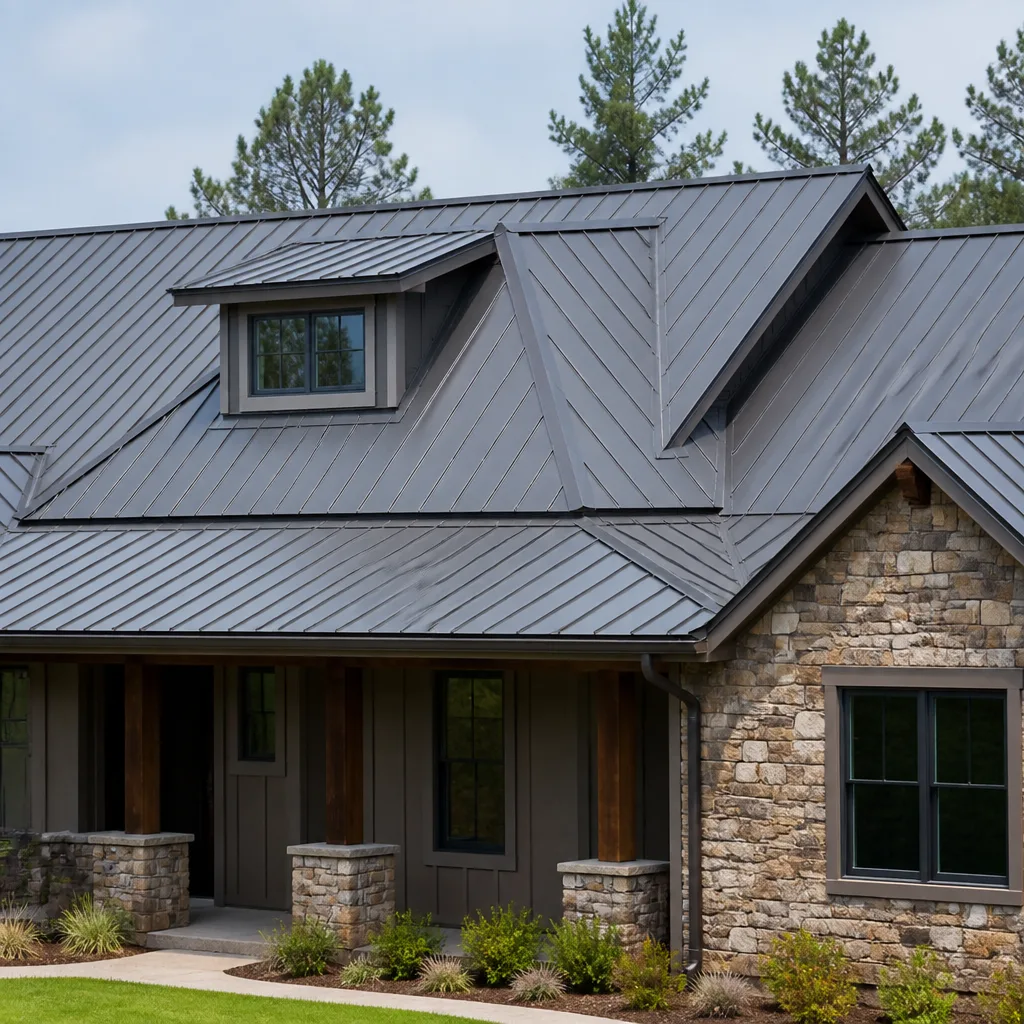 Metal roofing
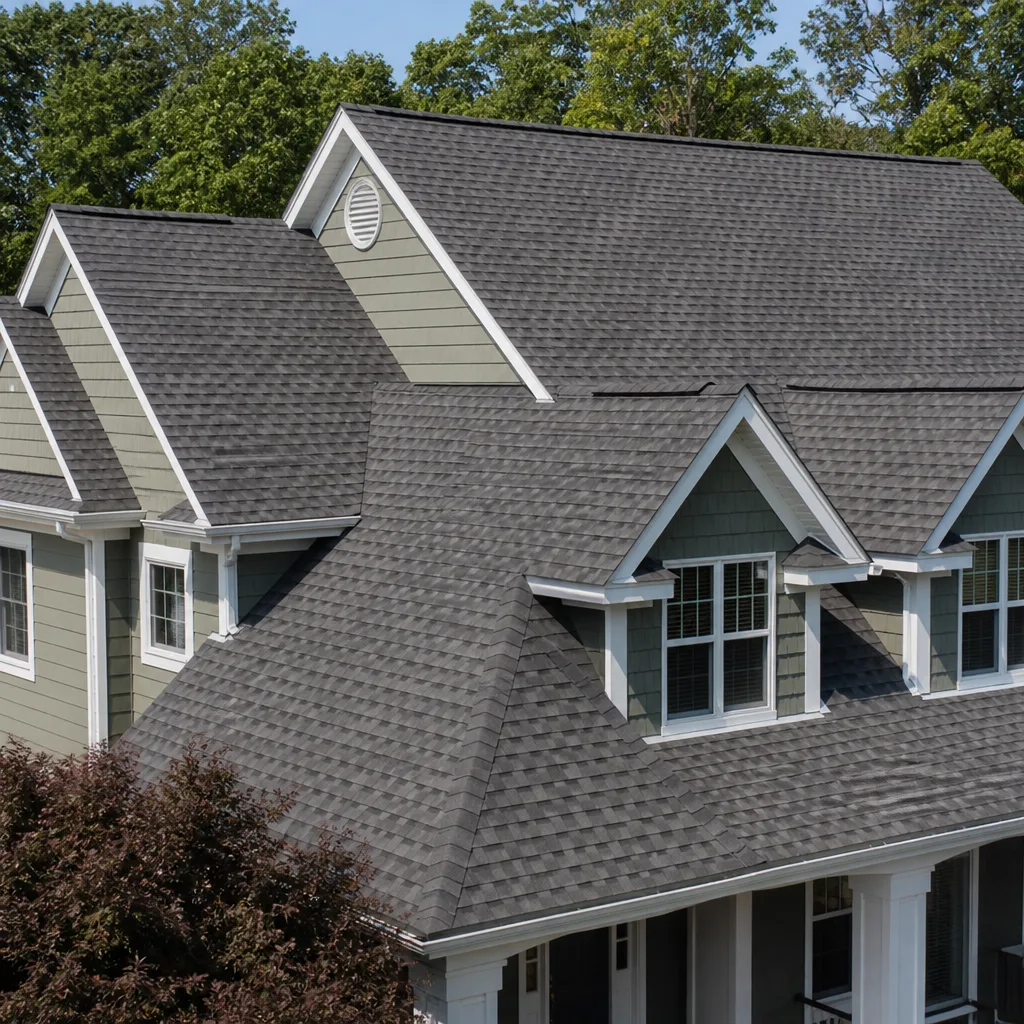 Architectural shingles
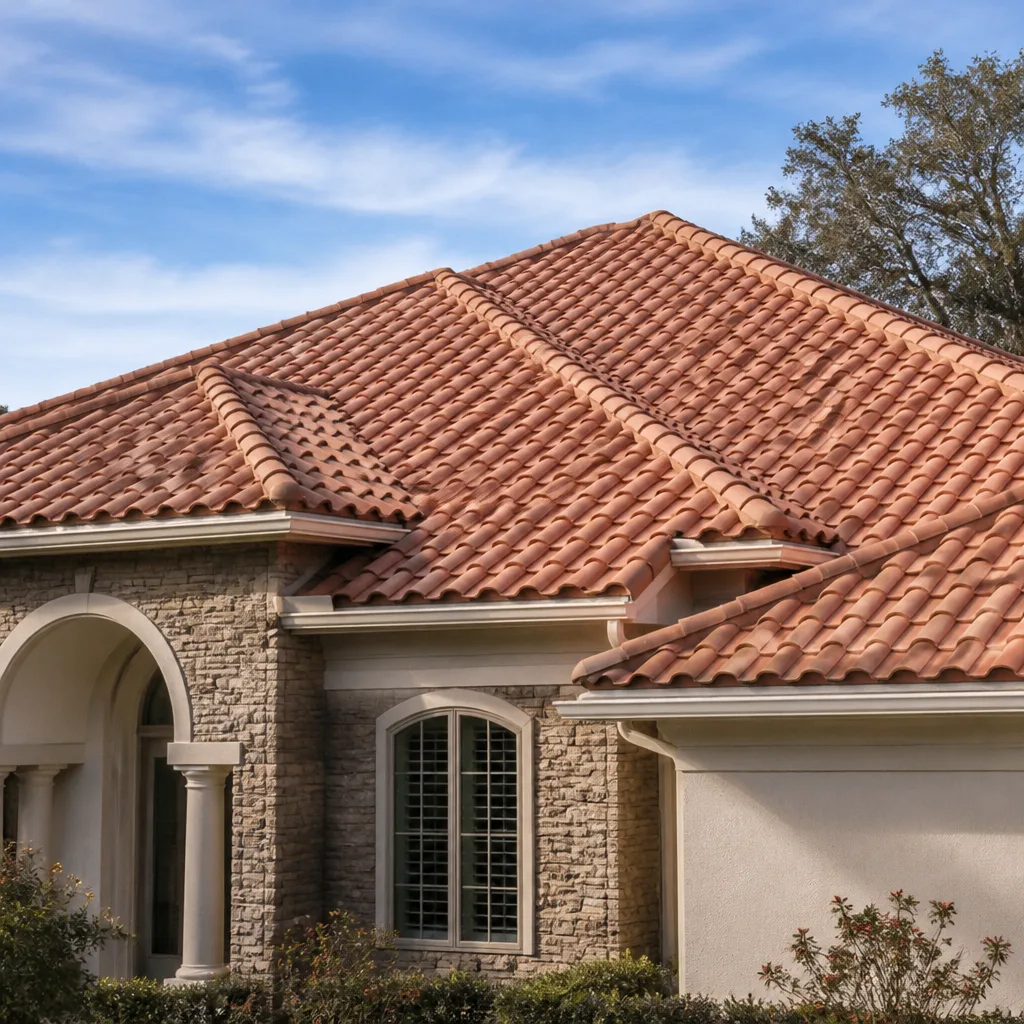 Tile roofing
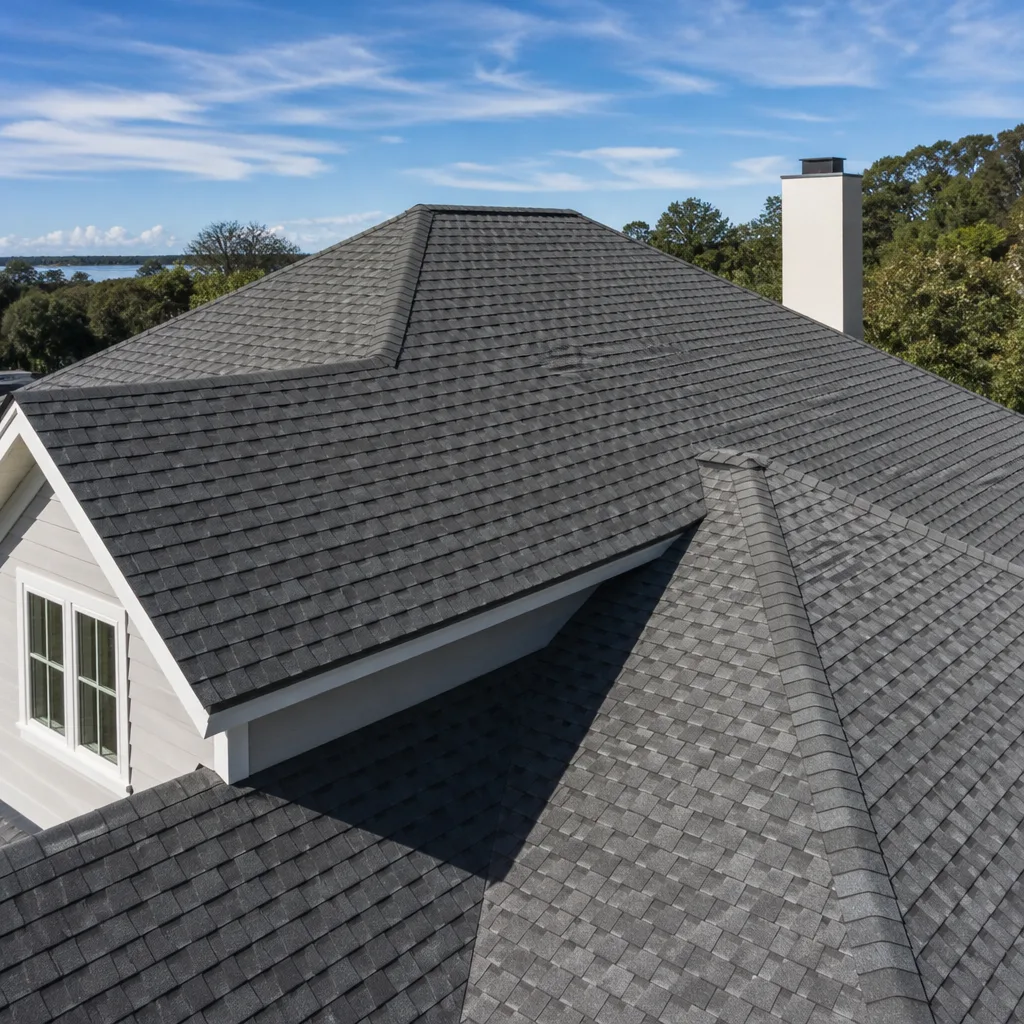 GAF
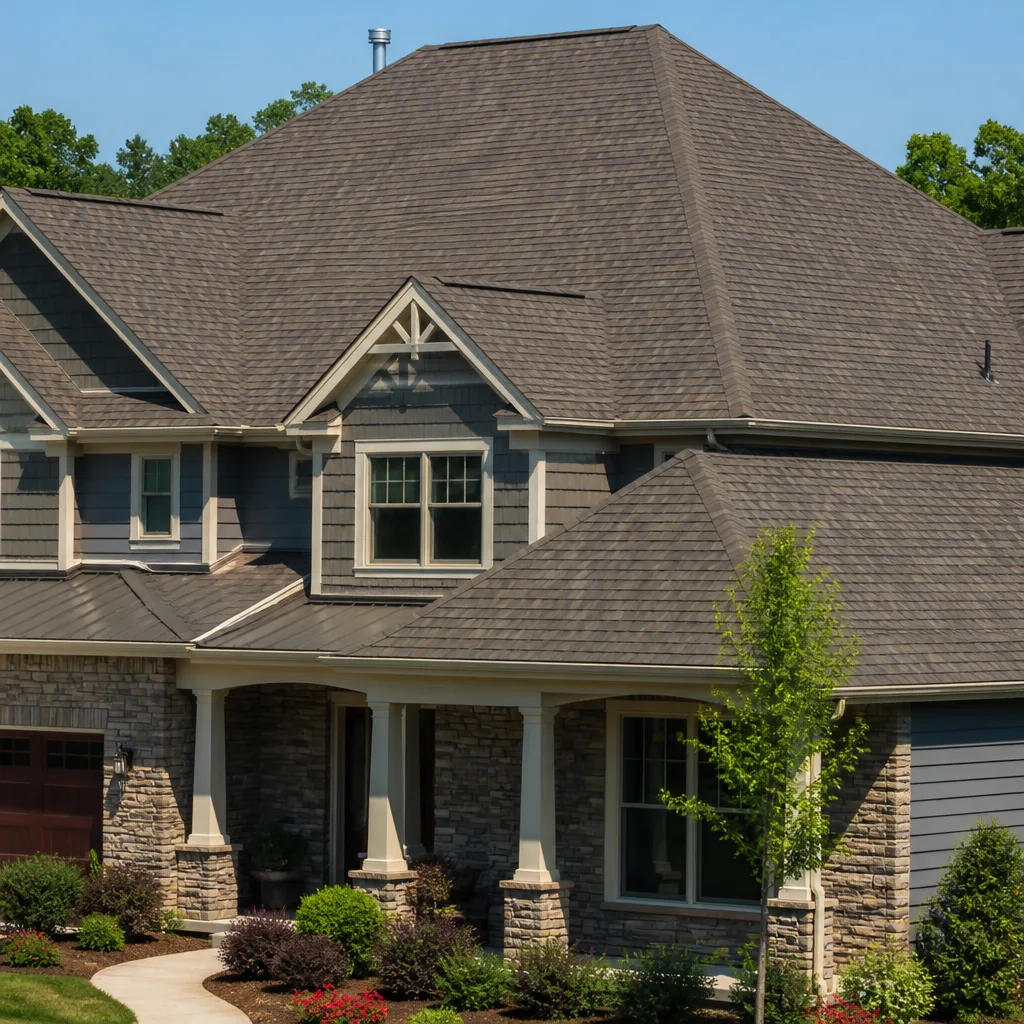 Owens Corning
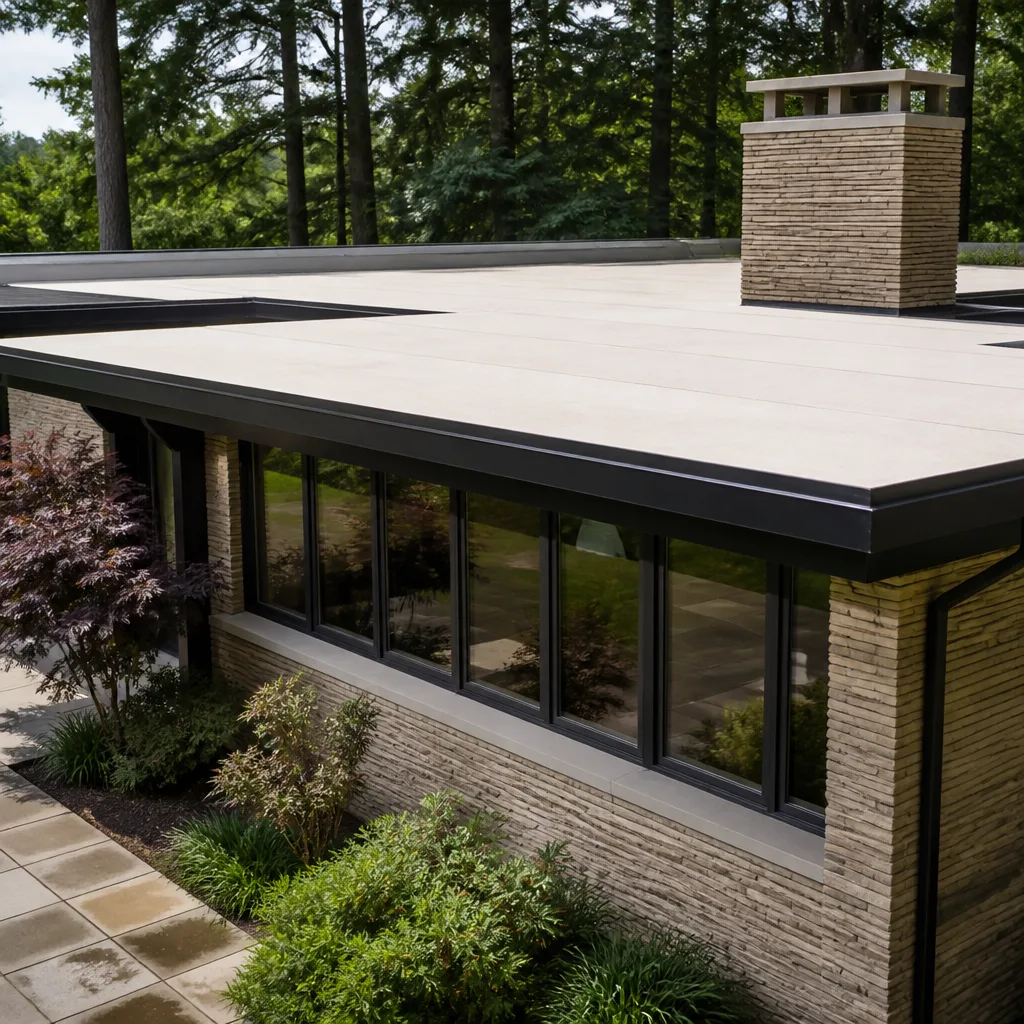 Flat & low-slope
Free roof inspection with deck photos before we talk money - GAF and Owens Corning certified installation
Roofing Permits, Codes & Inspections in CA: What You Need to Know
Here’s a number most Orange County homeowners never hear until it’s too late: an unpermitted roof replacement can reduce a home’s resale value by more than the original permit cost, and in some California municipalities, code enforcement can require you to tear off and redo the work entirely. We’ve watched this play out in Yorba Linda more than once. A homeowner skips the permit to save three hundred dollars, then discovers the problem when the buyer’s inspector flags it during escrow. This guide covers what actually triggers a permit in California, how Title 24 and fire codes apply to your specific roof, what Yorba Linda’s building department inspects, and how to avoid the mistakes that cost far more than any permit fee.
Styles & brands we work with
Quick Answer
In California, a roofing permit is legally required whenever you replace more than a light repair’s worth of material – meaning any tear-off beyond minor shingle patching, any structural deck replacement, or any change to the roof assembly’s insulation layer. In Yorba Linda specifically, a permit is required for any re-roof that includes removal of existing material down to the deck, with inspections covering underlayment, nailing patterns, and final verification. Skipping the permit risks a stop-work order, a fine, and a notice on your property file that can surface during any future insurance claim or sale.
Table of Contents
- When a California Roofing Permit Is Required – and When It Isn’t
- Title 24 Cool Roof Requirements in Orange County
- What Yorba Linda’s Building Department Inspects at Each Stage
- Unpermitted Roofs and Your Homeowner’s Insurance
- The HOA Approval Track: Running It Parallel to City Permits
- Fire-Resistant Materials and Wildland-Urban Interface Codes
- What Roofing Permits Cost in Orange County and How Long They Take
- Common Mistakes to Avoid
- When to Call a Professional
- Frequently Asked Questions
- The Bottom Line
When a California Roofing Permit Is Required – and When It Isn’t
California building code (specifically the California Residential Code, CRC) requires a permit for roof work that goes beyond what’s classified as “minor repair.” The distinction isn’t about how much you spend – it’s about how much of the roof system you disturb. Here’s the practical breakdown:
- Permit required: Any tear-off of existing roofing material down to the deck, re-decking that replaces more than one sheet of sheathing, any change to the roof covering material type (for example, going from wood shake to asphalt shingle), installation of battens or counter-batten systems, or any work that adds or removes a roof layer.
- Permit not required: Replacing a handful of damaged shingles in place, applying a roof coating over existing material (though coating thickness limits apply), or sealing a small penetration like a pipe boot or vent flashing.
- Gray zone: Replacing a full layer of shingles over an existing single layer without removal. Some California jurisdictions allow a “reroof overlay” without a permit if there’s only one existing layer. Others, including many Orange County cities, treat any full-surface reroof as permit-triggering regardless of whether you tear off.
We’ve had homeowners in Yorba Linda tell us they were told by a contractor that “it’s just a repair” to avoid the permit. The problem: if the work involves full removal of the top layer and replacement, it’s not a repair under California code no matter what anyone calls it. The city of Yorba Linda’s building division uses the same definition as the CRC: a permit is required whenever the roof assembly is exposed or altered beyond surface patching. When in doubt, a 15-minute phone call to the building counter settles it. Our team handles this question daily, and we’ve never seen the counter tell a homeowner they shouldn’t have asked.
Title 24 Cool Roof Requirements in Orange County
California’s Title 24 Part 6 energy code has made Orange County one of the most regulated roofing markets anywhere in the country. The short version: if you’re replacing a roof in Yorba Linda, the new surface must meet a minimum solar reflectance and thermal emittance rating unless your roof qualifies for an exception. This is the “Cool Roof” requirement.
What this means in practice:
- Aged solar reflectance of at least 0.20 and thermal emittance of at least 0.75 for most low-slope roofs (2:12 or less).
- Steep-slope roofs (above 2:12) need an aged solar reflectance of 0.15 minimum and the same emittance threshold.
- Materials that comply out of the box: most modern asphalt shingle lines with Energy Star ratings, most tile products, and essentially all “cool roof” rated synthetics. Products from Owens Corning and CertainTeed both publish Title 24 compliance documentation for their shingle lines.
- Materials that often fail the requirement: dark-colored architectural shingles without reflective granules, uncoated metal, and certain wood shakes without treatment.
The compliance check happens at the permit plan review stage. The building department wants to see the manufacturer’s compliance data sheet for the specific product you’re installing. We work across seven manufacturer lines – GAF, CertainTeed, Owens Corning, IKO, Atlas, Tamko, and Boral – so when a client in Yorba Linda wants a specific look, we can usually find the compliant product within the aesthetic they’re after instead of telling them their only option is what one brand happens to offer.
One important nuance: Title 24 compliance isn’t just about the shingle. If you’re adding insulation as part of the re-roof, or if the roof deck is open and you’re relocating or modifying the attic ventilation, that triggers additional energy code provisions. Our Roof Inspection in Yorba Linda includes an energy code check so homeowners know what the project will require before they submit for a permit. The inspection is a standalone service, not a sales tool. It’s how a homeowner can see the full compliance picture before committing to any spend.
What Yorba Linda’s Building Department Inspects at Each Stage
This is the part most guides skip because it’s boring. It’s also the part that determines whether your permit actually closes. The City of Yorba Linda’s building division, like most Orange County cities, requires inspections at multiple stages of a re-roof project – not just a final walk-through. Here’s what actually happens:
- Plan review (before work starts): The building department reviews the roof plan, the product data sheets for Title 24 compliance, and the slope/drainage calculations. For any roof with a slope below 1/4:12, they’ll require a specific manufacturer-approved low-slope system. This review typically takes 5 to 10 business days in Yorba Linda.
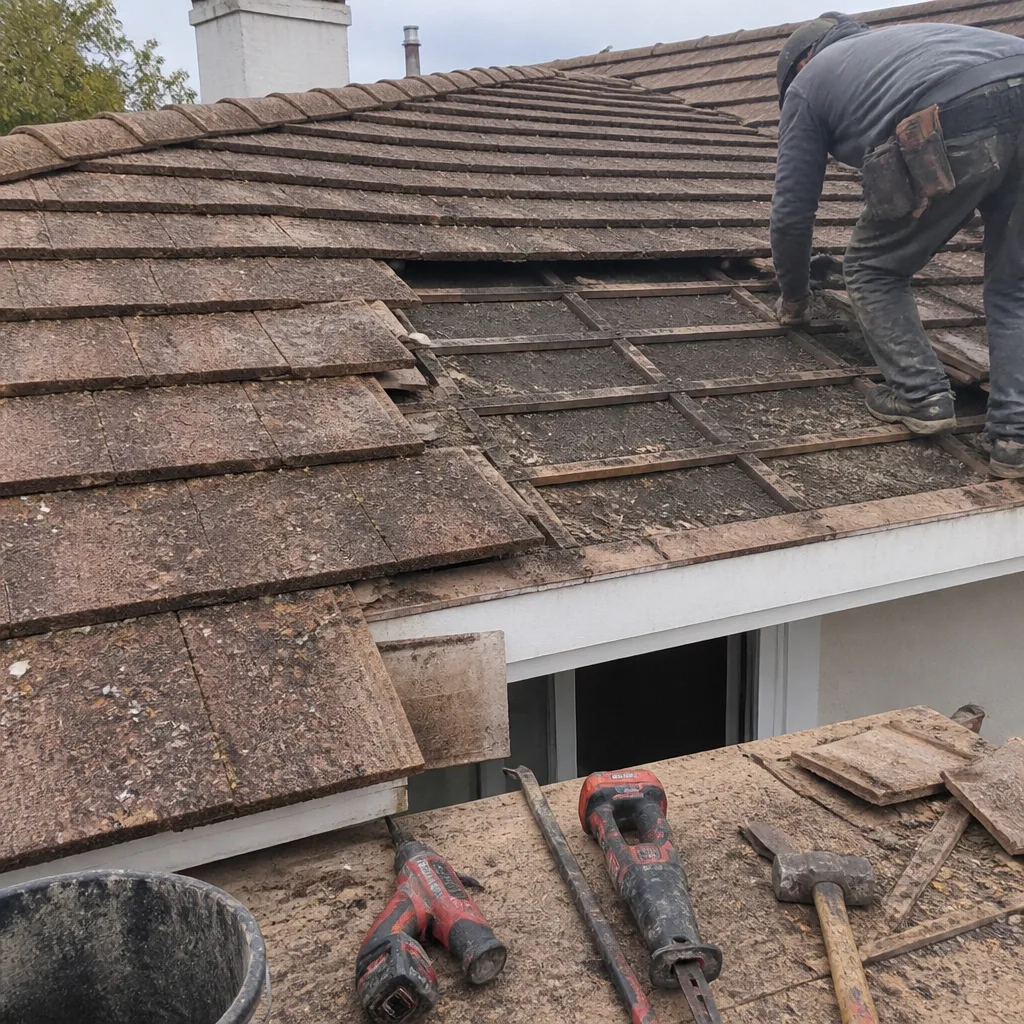
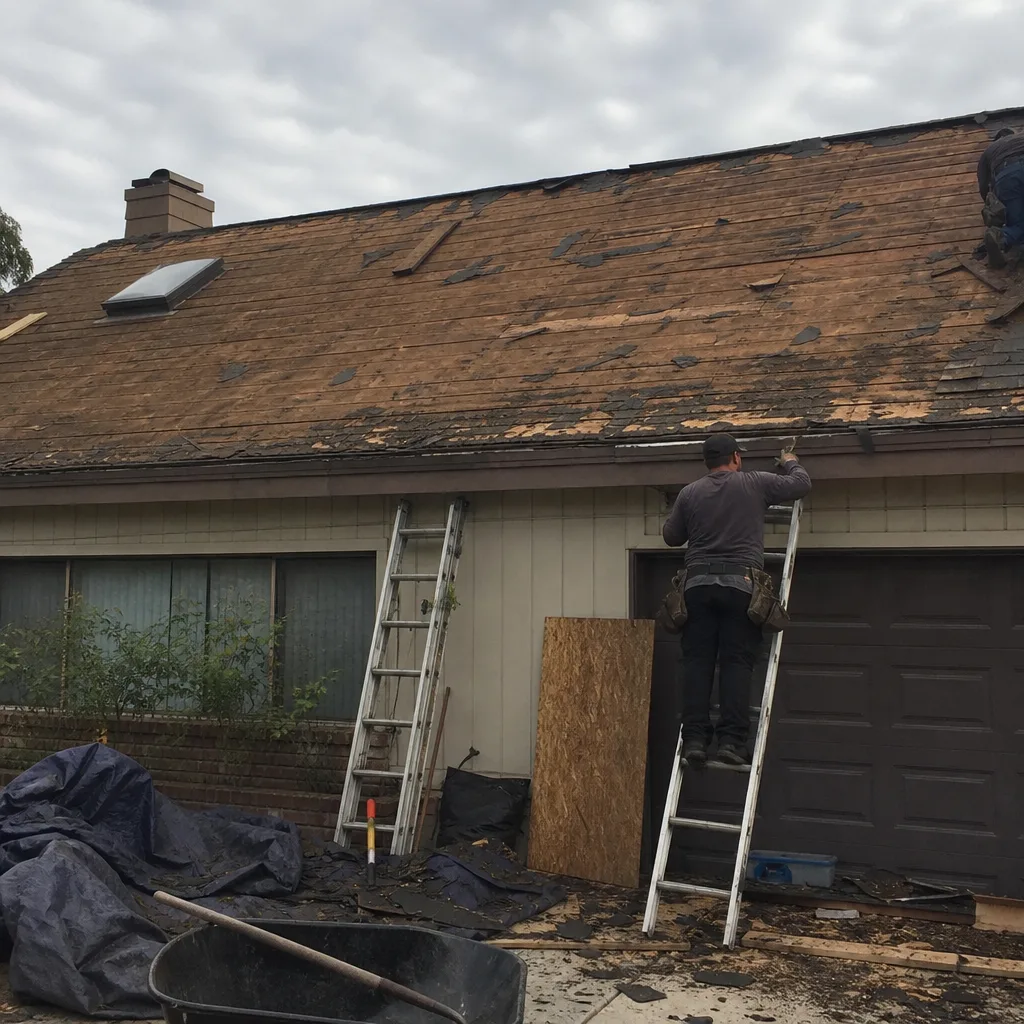
- Deck inspection (after tear-off, before underlayment): An inspector comes to the site and examines the exposed deck for rot, delamination, spacing, and fastener pull-through. If the deck shows damage, this is where the inspector requires sheathing replacement before anything else goes down. You don’t want to discover deck rot after the underlayment is installed.
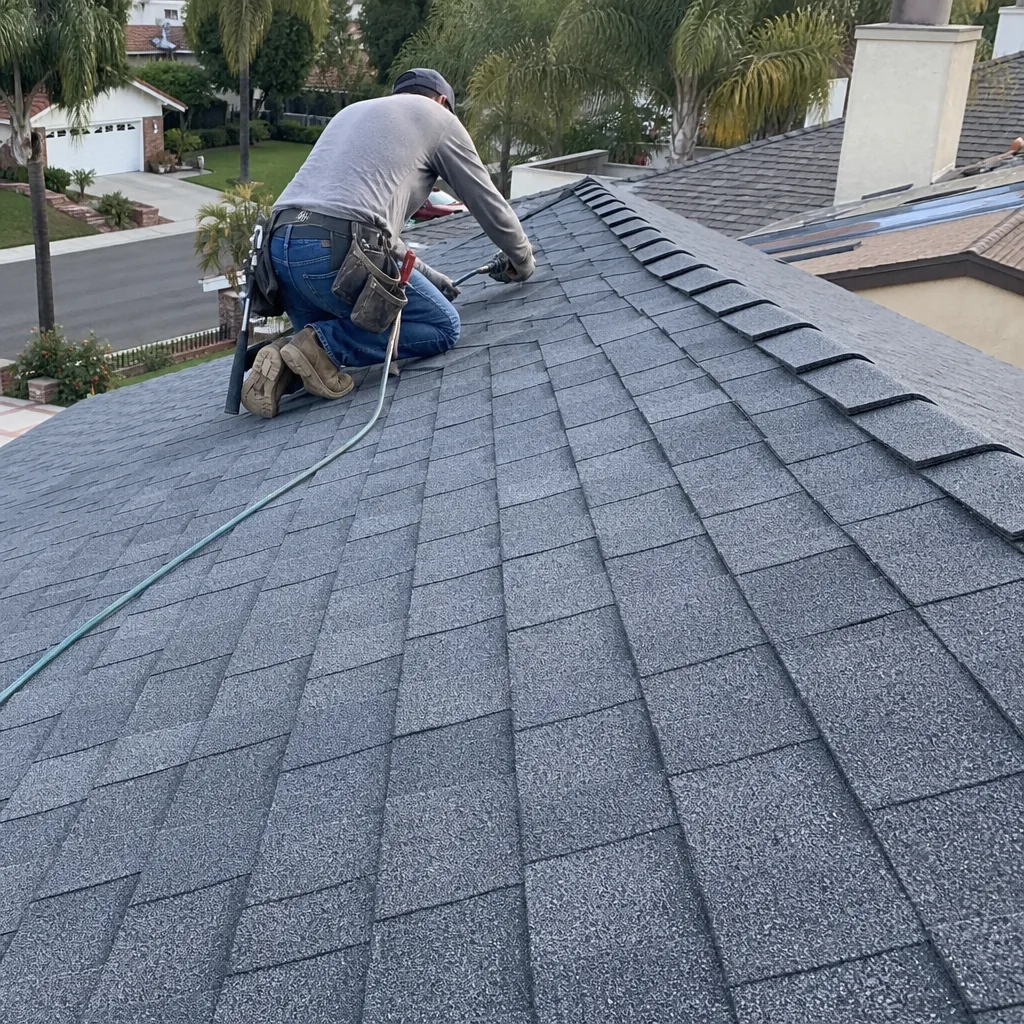
- Underlayment and nailing inspection: After the underlayment is laid, the inspector verifies the correct underlayment type for the slope, the overlap, the fastener pattern, and the nailing schedule. This is the stage where most failed inspections happen. The CRC specifies nail patterns that differ by wind zone, and Orange County’s inland cities have specific requirements for high-wind exposure.
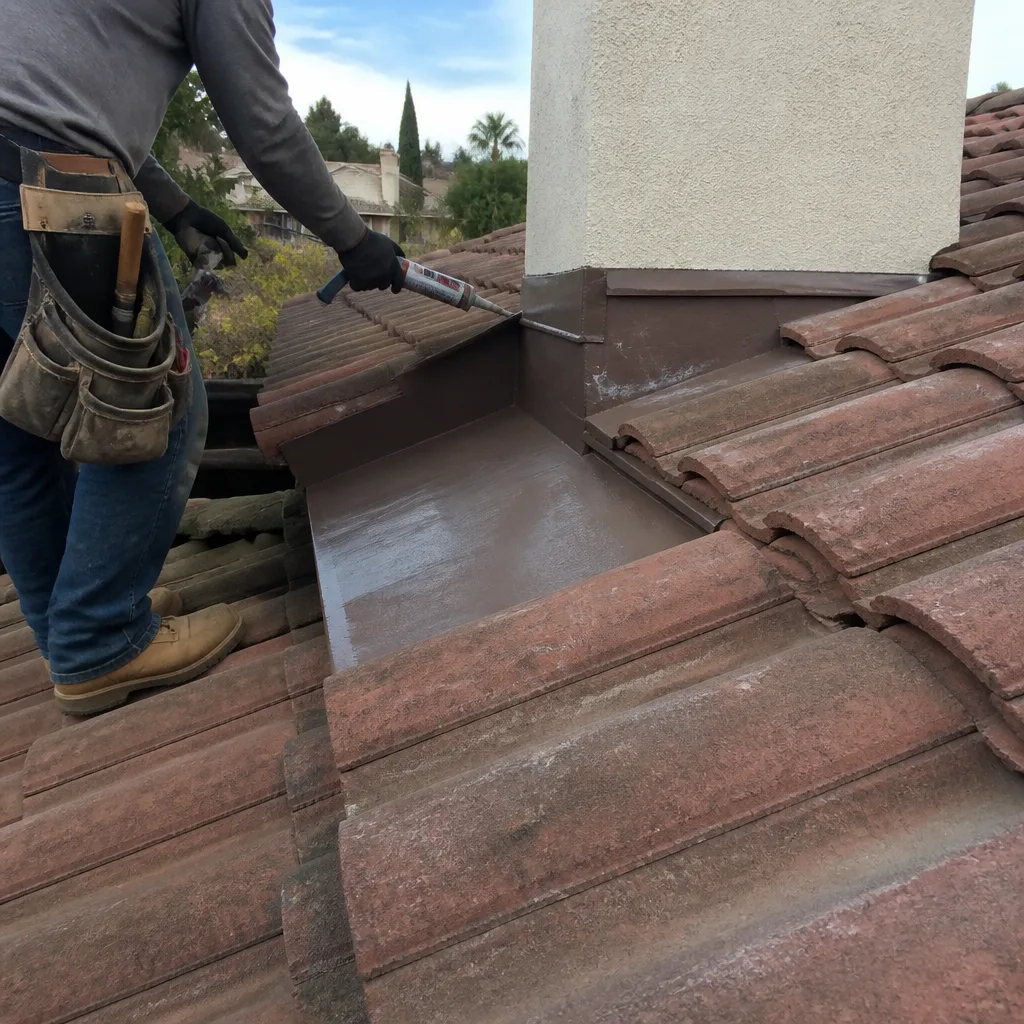
- Final inspection: Once the roof covering is installed, the inspector verifies the finished product matches the approved plan, the edge metal and flashing are properly installed, the drainage is clear, and the Title 24 compliant material is what actually went on the roof.
The permit isn’t closed until every stage passes. A final inspection that fails for any reason extends the process, and in Yorba Linda, reinspection fees apply. We’ve handled roof replacement in Yorba Linda where a previous contractor abandoned a project mid-permit. The homeowner was left with an open permit and a roof that couldn’t be signed off. We closed it. That situation is more common than anyone wants to believe.
Unpermitted Roofs and Your Homeowner’s Insurance
Here’s the scenario we hear most often: a homeowner replaces their roof without a permit, files a claim two years later for storm damage, and the adjuster asks for the permit record. When there isn’t one, the insurer’s position shifts. The California Insurance Code doesn’t explicitly require a permit for a roof to be covered, but it does allow insurers to deny claims where unpermitted work is determined to be the proximate cause of the damage – or a contributing factor to the extent of the loss.
What that means in plain English:
- If the roof fails because of poor workmanship – and there’s no permit to show the work was inspected – the insurer can reasonably argue the damage was caused by substandard installation, not a covered peril. Denials on this basis are common after major wind events.
- If the unpermitted work is discovered during the claim investigation, the insurer may reduce the payout proportionally, arguing the unpermitted portion of the roof didn’t meet code and therefore didn’t meet the policy’s “insurable value.”
- If the roof is part of a larger claim – for example, water intrusion caused interior damage – the insurer can separate the roof repair from the interior repair and deny the roof portion while paying the interior claim.
The California Insurance Code section 530 protects homeowners from denials based on conditions the insurer knew about when the policy was issued. An insurer that knew the home had an unpermitted roof and accepted premiums anyway may have a harder time denying a claim. But that’s a legal fight, and nobody wants to be in a position to test it. The cost of the permit is insurance in itself. When we handle roof repair in Yorba Linda, we always advise pulling the permit when the scope crosses the threshold. It protects the homeowner’s claim position at the moment it matters most.
The HOA Approval Track: Running It Parallel to City Permits
If your Yorba Linda home is in an HOA-governed community – and many are, including East Lake Village, Vista Del Verde, and Bryant Ranch – the HOA approval is a separate process from the city permit. Homeowners who treat these as sequential often lose three to six weeks waiting for one before starting the other. The right approach is to run both simultaneously.
Here’s the parallel-track workflow that saves time:
- Day 1: Submit the architectural change application to your HOA’s management company. Most require a color sample of the roof material, manufacturer spec sheets, and sometimes a photo mockup. Yorba Linda HOAs typically require products that match the original roof or fall within an approved palette.
- Day 1 (same day): Submit the building permit application to the City of Yorba Linda. The two processes don’t depend on each other. The building department doesn’t wait for the HOA, and the HOA doesn’t verify the permit.
- HOA review window: Most Yorba Linda HOAs have a 30-day review clock under California Civil Code Section 4750. If they don’t respond within that window, the application is deemed approved. That clock running while the city reviews the permit means both clear around the same time.
- City plan review window: The building department’s plan check runs independently. When the HOA approval arrives, the city may still be in review. Or the city may clear before the HOA does. Either way, you’ve saved the sequential wait.
- Before installation: Confirm both approvals are in hand. Never start work with only one. A contractor that proceeds on HOA approval alone and without the city permit creates the insurance exposure we covered above. A contractor that proceeds on city permit alone and without HOA approval can trigger a violation from the HOA, a cease-and-desist, and in rare cases, a forced redo if the material doesn’t match the approved palette.
The product selection step matters in HOA communities. Some boards specify a single manufacturer; others allow “comparable products.” If your HOA will approve any shingle that matches the original look, that opens the door to multi-brand comparison. We work with GAF, CertainTeed, Owens Corning, IKO, Atlas, Tamko, and Boral, which means we can present three or four products that all pass HOA review and let the homeowner pick based on warranty length, price point, and actual performance in our climate. Seven brands, one company. No pressure to pick what’s convenient for us.
Fire-Resistant Materials and Wildland-Urban Interface Codes
Parts of Yorba Linda sit within the Very High Fire Hazard Severity Zone (VHFHSZ), the designation California uses for areas where wildfire risk is elevated. If your home falls in this zone – and many homes in the foothills and along the 91 corridor do – the building code requires a Class A roof covering. This isn’t optional, and it isn’t up for debate with the inspector.
Chapter 7A of the California Building Code applies to any roof replacement in a VHFHSZ. The key requirements:
- Class A assembly rating: The roof covering must be tested as a complete assembly (covering, underlayment, and deck) and rated Class A for fire resistance. Most asphalt shingles with fiberglass mats meet this. Wood shakes do not, and unrated synthetics may not.
- Ember-resistant underlayment: In certain high-severity zones, the underlayment itself must be fire-resistant. Standard 30-lb felt doesn’t meet this; synthetic underlayments with a Class A fire rating do.
- Edge metal and eave details: Open eaves in Class A zones need enclosures or specified edge metals. The inspector will look for this at the underlayment inspection, not later.
- Valley construction: Valleys are where embers collect. Chapter 7A requires specific valley construction – woven, closed-cut, or open metal – depending on the roof type.
We’ve seen homeowners in Yorba Linda choose a roof product based on price, only to find out at plan review that the product doesn’t meet Chapter 7A requirements for their zone. The result is a redo of the product selection, a revised plan check, and two to three extra weeks. If you’re in a fire hazard zone, the product conversation has to happen before the design conversation does. CertainTeed publishes specific fire-rating documentation for their product line that the building department accepts without question. Boral’s tile products also meet and exceed the fire requirements, which makes tile a practical choice in canyons and foothill neighborhoods. We work across all of these because the right material depends on the zone designation, the roof slope, and the budget. One-brand answers don’t work in a city with this much fire code complexity.
What Roofing Permits Cost in Orange County and How Long They Take
Let’s be direct about the costs and timelines, because these are the two questions every homeowner asks before they ask anything else. In Yorba Linda and the surrounding Orange County cities, here’s what a residential re-roof permit typically involves:
- Permit fee: $250 to $600 for a standard re-roof, calculated on the project valuation. Smaller homes on simple rectangular roofs land at the low end; larger estate homes with complex rooflines land higher.
- Plan check fee: $75 to $200 when a plan review is required (which is most re-roofs).
- Inspection fees: Usually bundled into the permit fee. Yorba Linda includes standard inspection visits in the base fee, but reinspection after a failure is a separate charge.
- Title 24 documentation: No city fee, but if your contractor doesn’t provide the compliance data sheets, you’ll pay an energy consultant $100 to $300 to prepare them.
- Total out-of-pocket for most homeowners: $350 to $900.
The timeline from application to final sign-off in Yorba Linda typically runs two to four weeks. The plan review is usually the bottleneck. If the application is complete with all product documentation on day one, the review often clears in five to seven business days. Incomplete applications add weeks. A permit that started in spring can absolutely go through the entire cycle in under a month. A permit that starts with missing Title 24 docs will take longer, and that delay has nothing to do with the city. We submit complete packages from the start – all seven manufacturer lines’ compliance data is on file – so the plan review doesn’t sit waiting on documentation.
Common Mistakes to Avoid
- Treating “it’s just a repair” as a legal classification. The phrase has no legal meaning. In Yorba Linda, any removal to deck is a re-roof and triggers a permit. A contractor who says otherwise is asking you to carry the risk alone.
- Starting the HOA process after the permit is issued. That’s a three-to-six-week delay that didn’t need to happen. Run both tracks from day one.
- Choosing a roof product without checking the fire zone first. If the home is in a VHFHSZ, Chapter 7A overrides aesthetic preference. Confirm the zone designation before falling in love with a product.
- Assuming Title 24 compliance is the roofer’s problem. The permit is in the homeowner’s name. If the product doesn’t meet the reflectance requirements and the building department flags it, the homeowner is the one fixing the paperwork.
- Overlaying a second layer without checking local rules. Some California cities allow it; Yorba Linda’s building division typically doesn’t on most re-roofs. Overlays trap moisture and reduce roof life. When in doubt, tear off.
- Paying a contractor before the final inspection clears. An open permit means the job isn’t done, regardless of what the roof looks like. Hold the final payment until the permit is signed off.
- Ignoring the open permit after the work ends. Open permits are a title defect. They surface during escrow and can delay or kill a sale. Close the permit. Verify the final inspection is on record with the city.
When to Call a Professional
This guide exists because the permit and code landscape in California is dense enough to trip up anyone attempting it solo. If you’re facing a re-roof in Yorba Linda, you’re in a city with its own inspection stage requirements, its own plan review process, and its own enforcement of Title 24 and Chapter 7A. A roofing contractor who works in Yorba Linda every week has gone through this process dozens of times. That matters. The permit opens faster, the inspections pass with fewer reinspection fees, and the final sign-off actually happens. If you’re unsure whether your roof needs a permit, a Weston Roof Repair home inspection is the cheapest clarity you’ll buy. We’ll inspect it first. If a repair fixes it, that’s what we’ll tell you. Weston Roof Repair offers free estimates in Yorba Linda – call (833) 589-6925.
Frequently Asked Questions
A residential re-roof permit in Yorba Linda typically costs between $350 and $900 total, including the permit fee, plan check fee, and standard inspection visits. The final number depends on the project valuation and the roof’s square footage. Call (833) 589-6925 for an exact breakdown on your project – estimates are free.
You can replace a few shingles or seal a small penetration without a permit, but you cannot legally perform a full re-roof that includes tear-off to deck without one. The California Residential Code classifies that scope as permitted work, and the City of Yorba Linda enforces this. Doing it anyway creates insurance exposure and a title defect that surfaces at resale.
Yes. Title 24 Part 6 applies to any re-roof that replaces the roof covering in Orange County, including Yorba Linda. The new material must meet minimum aged solar reflectance and thermal emittance values unless a specific exception applies. Most modern asphalt shingles, tile, and rated synthetics comply; dark unrated architectural shingles often don’t. Request the manufacturer’s Title 24 compliance data sheet before selecting a product.
The city can issue a notice of violation, assess permit fees with penalties, and require an inspection of work that’s already covered by roofing material. In the worst case, the city can require removal of the roof to inspect the deck and underlayment. The violation also becomes part of the property’s public record, which lenders and insurers can review.
Yes. If your home is in an HOA with architectural guidelines – common in Yorba Linda communities like East Lake Village and Vista Del Verde – the HOA approval is a separate track from the city permit. Both are required before work begins. California law gives most HOAs 30 days to respond to an architectural application; if they don’t respond, approval is deemed granted.
With a complete application, the plan review and permit issuance typically takes five to ten business days in Yorba Linda. The full process from application to final inspection sign-off usually runs two to four weeks, assuming the inspections pass on the first visit. Incomplete paperwork or failed inspections extend that timeline. For a timeline specific to your project, call (833) 589-6925 – we’ll walk you through it.
The Bottom Line
California’s roofing permit process isn’t a formality – it’s a legal, financial, and insurance-protective layer that’s folded into the state’s building code, Title 24 energy requirements, and fire zone regulations. In Yorba Linda specifically, the city’s inspection stages are clear: deck, underlayment, nailing, final. The HOA runs parallel, not sequential. The cost is modest compared to the exposure of an unpermitted roof. Whether you’re repairing, replacing, or just inspecting, a professional who works in Yorba Linda weekly understands the local nuance without needing to figure it out on your dime. Roof replacement in Yorba Linda and roof repair in Yorba Linda both follow this permit track. Start with the inspection. Know what you’re dealing with. The permit process starts making sense when you know what’s actually on the roof.
Written by the team at Weston Roof Repair, serving Yorba Linda since 2015.
Need to talk through your roofing permit situation? Call Weston Roof Repair at (833) 589-6925 for a free estimate. We work with GAF, CertainTeed, Owens Corning, IKO, Atlas, Tamko, and Boral – so you get the right material for your roof and your code requirements, not the one we happen to stock.
See the difference
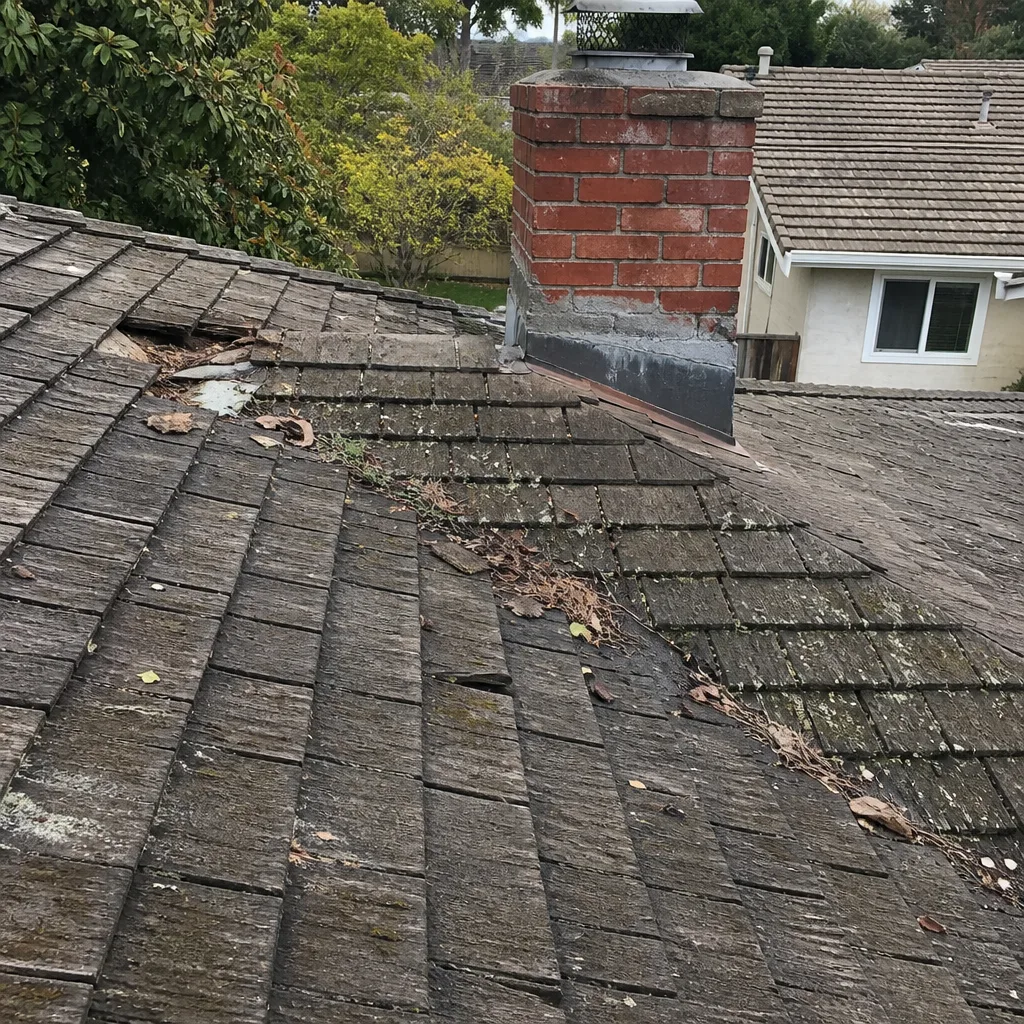 Before
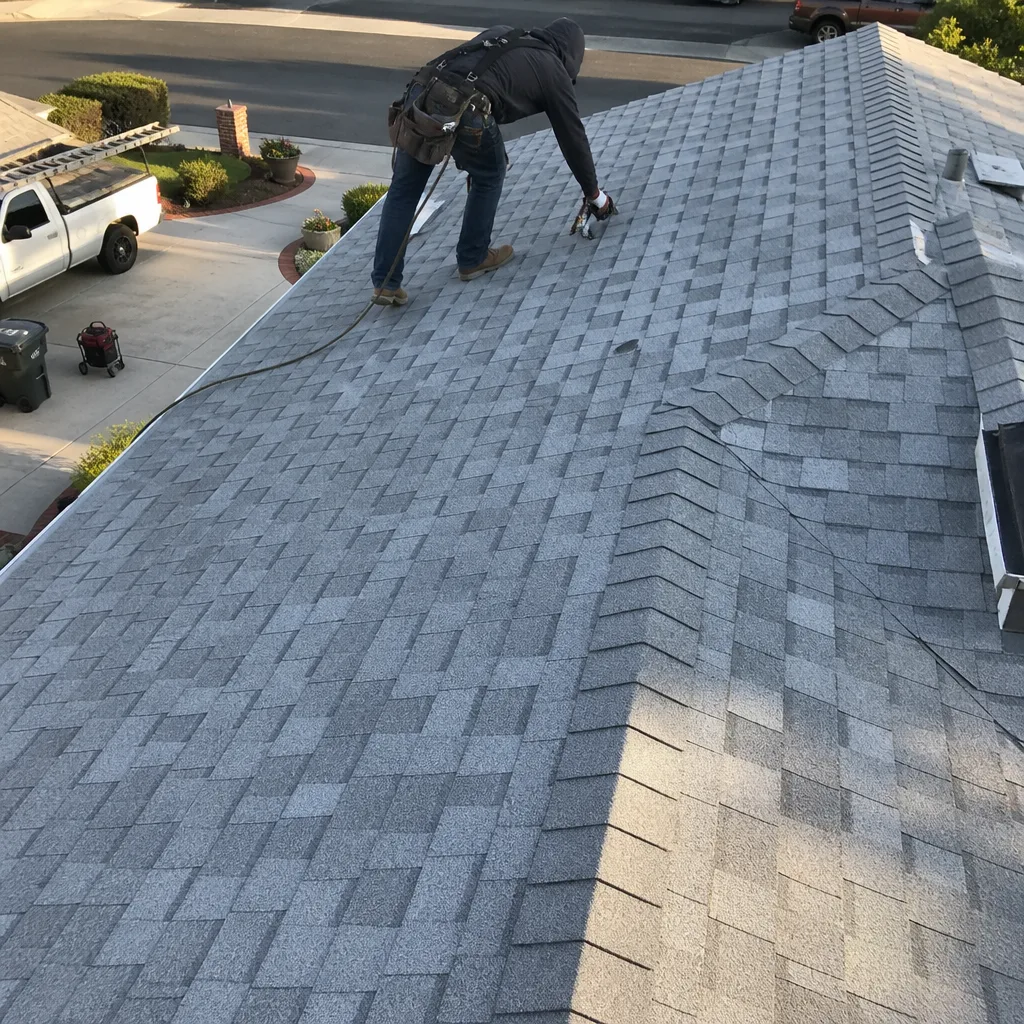 After
 Before
 After
 Before
 After