Last updated October 30, 2026
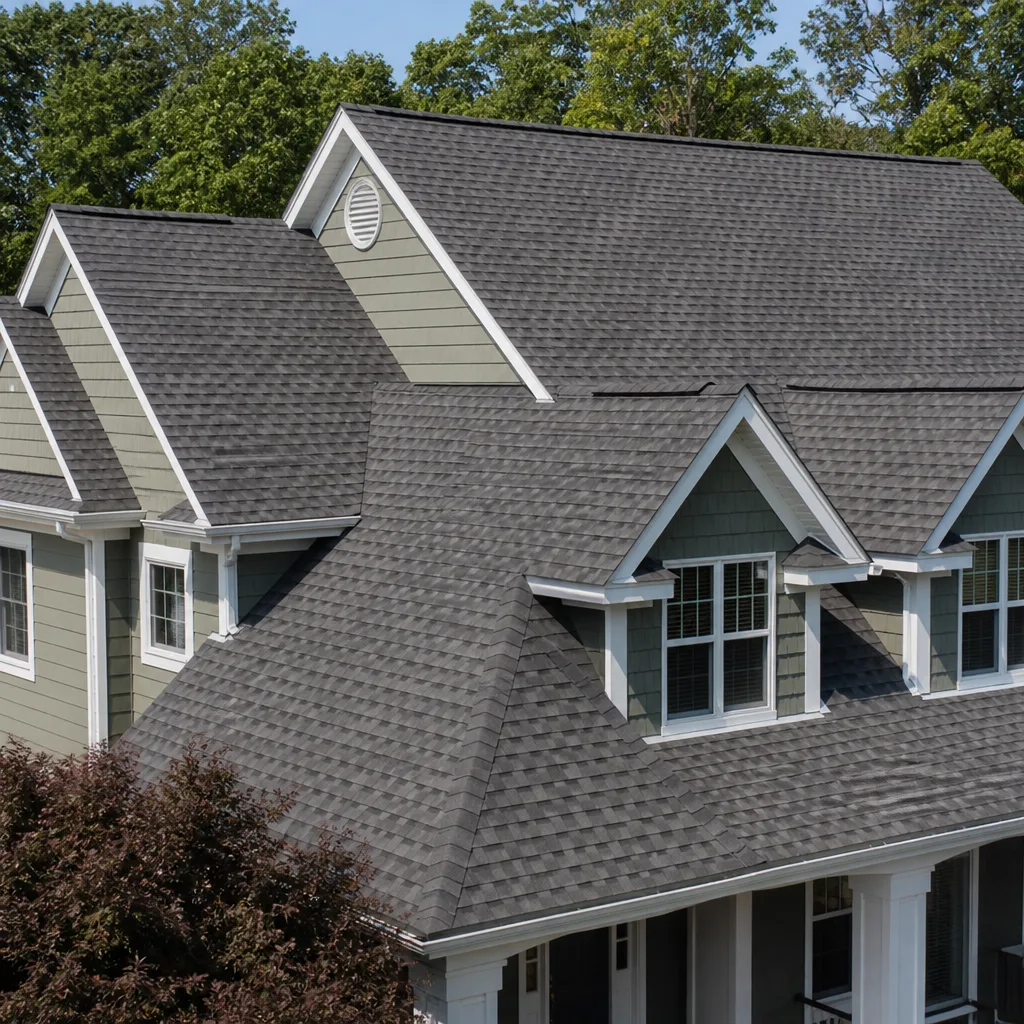 Architectural shingles
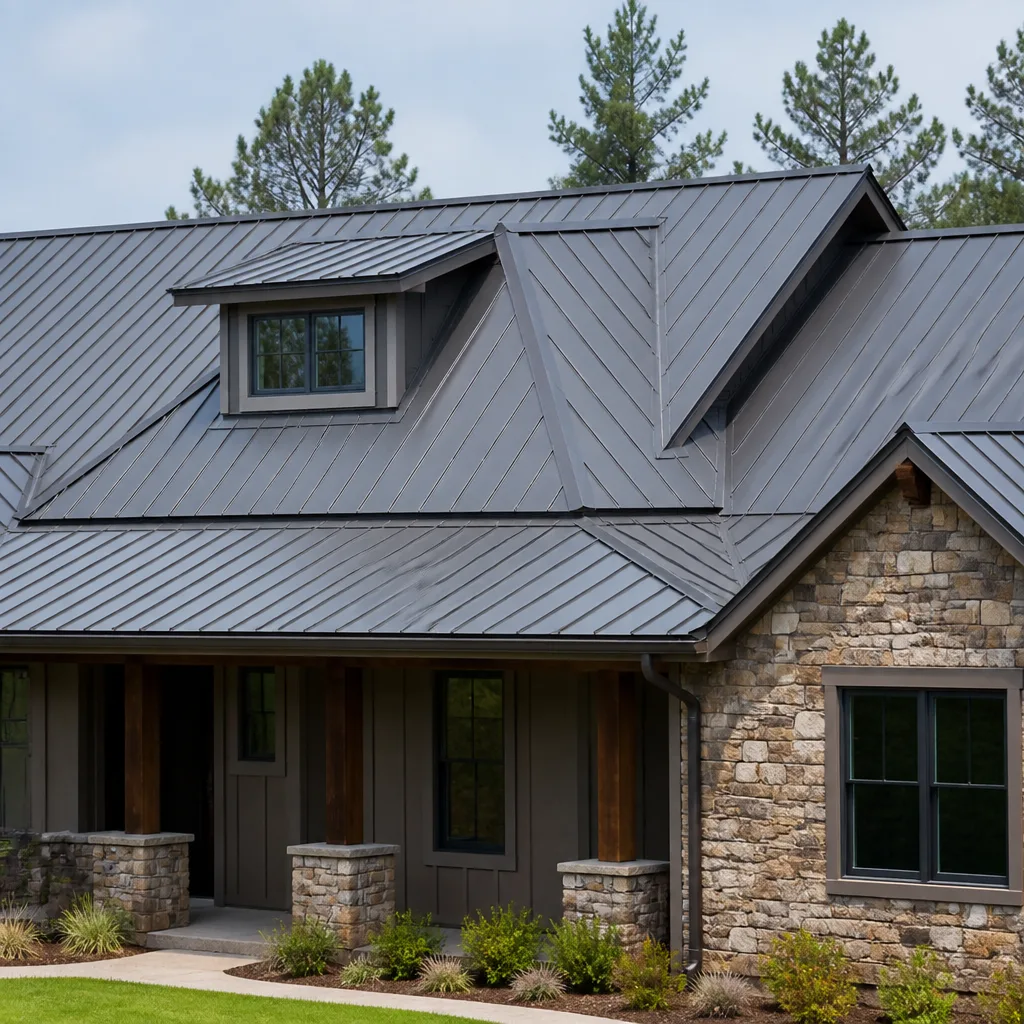 Metal roofing
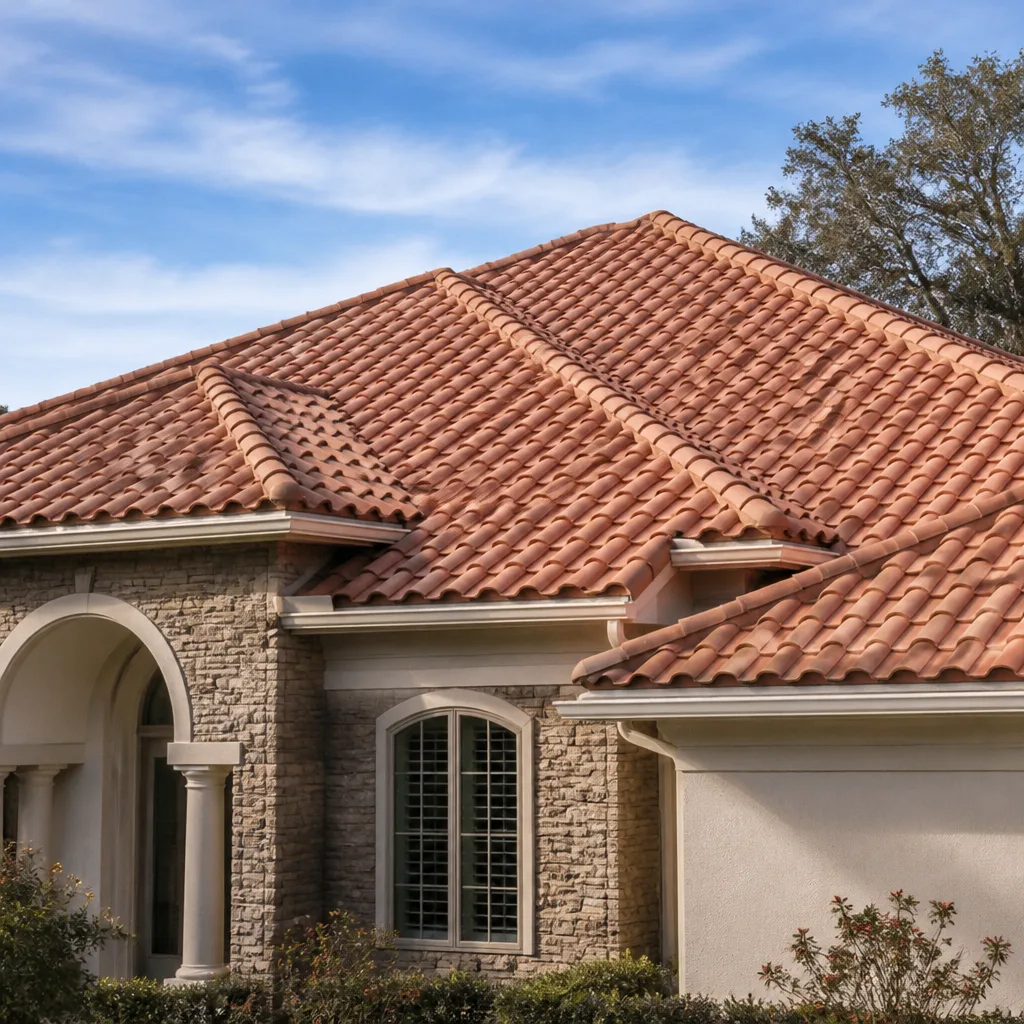 Tile roofing
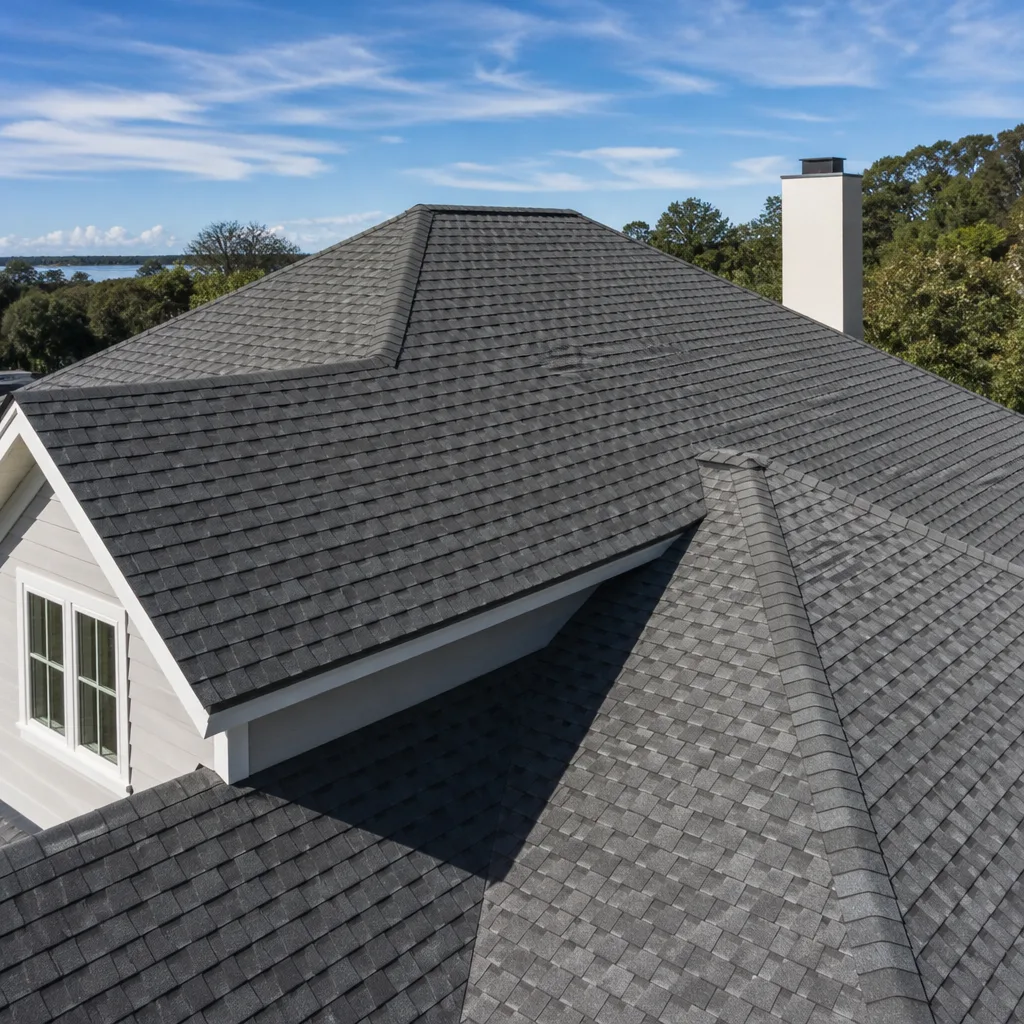 GAF
 Owens Corning
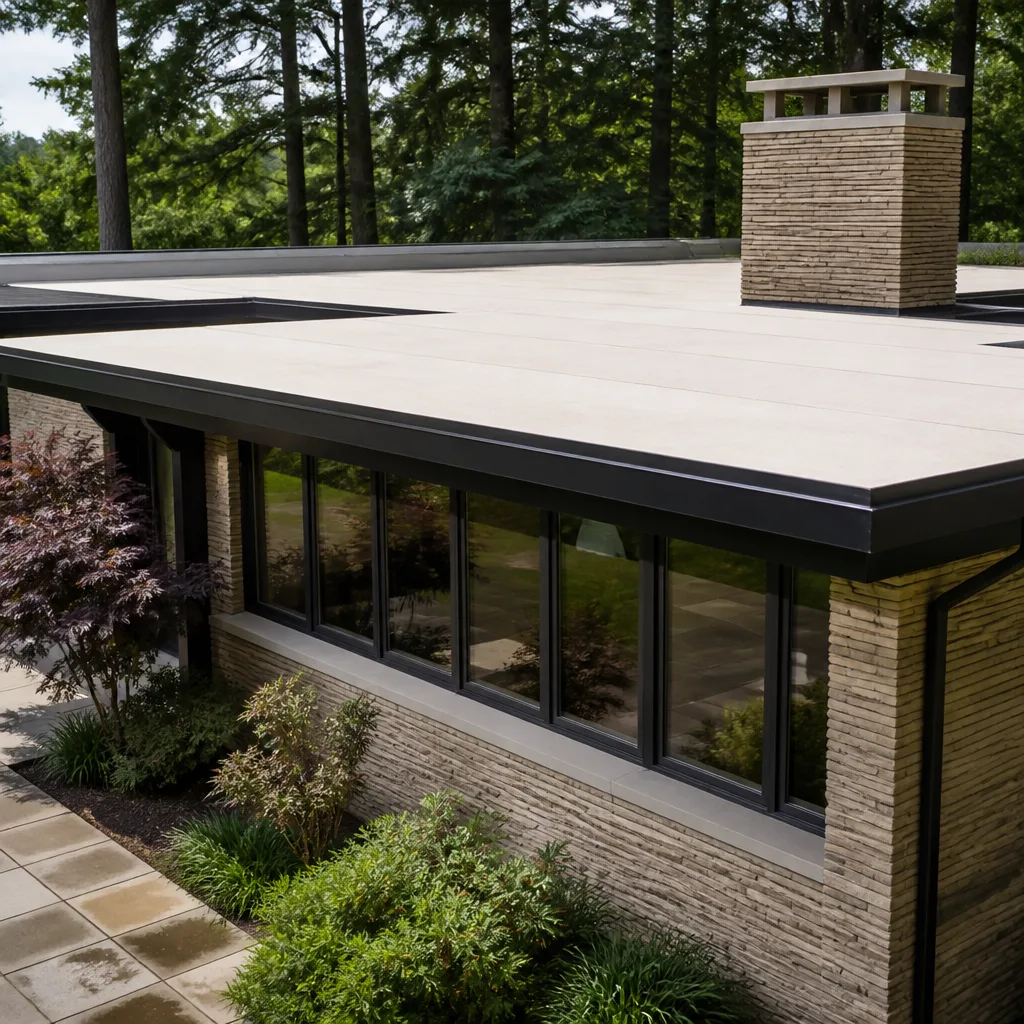 Flat & low-slope
Free roof inspection with deck photos before we talk money - GAF and Owens Corning certified installation
Roof Repair Troubleshooting: Common Problems and How to Fix Them
The wet spot on your ceiling is almost never directly below where the roof is leaking. Water travels along rafters, sheathing, and insulation before it drops, sometimes moving six feet or more from the actual breach. This guide walks through the diagnostic logic a roofer uses, so you can describe problems accurately, avoid paying for the wrong repair, and know when a fix is genuinely simple versus when it needs a professional. We’ve applied this same method to hundreds of roofs across Yorba Linda, where the dry summers and occasional winter downpours create a specific pattern of roof failures that most homeowners misidentify. By the end, you’ll know how to trace a leak to its source, why “bad shingles” is usually the wrong diagnosis, and what to do before you call anyone.
Styles & brands we work with
Quick Answer
Roof repair troubleshooting starts with tracing water from where you see it back to where it entered, which is almost never the same spot. The most common problems are failed flashing, not missing shingles, and the fix depends on identifying whether you’re dealing with an active leak, a historic stain, or condensation. In Yorba Linda, the two most frequent culprits are cracked pipe boots and worn valley flashing, both of which are repairable without a full replacement.
Table of Contents
- Why Water Travels: The First Rule of Roof Diagnosis
- The Five Most Misidentified Roof Problems
- Active Leak, Historic Stain, or Condensation: How to Tell
- DIY Triage: What Buys You Time and What Makes It Worse
- What to Have Ready Before You Call a Roofer
- Repair or Replace: The Honest Decision Path
- Yorba Linda Roofing: Climate, Codes, and Common Patterns
- Common Mistakes to Avoid
- When to Call a Professional
- Frequently Asked Questions
- The Bottom Line
Why Water Travels: The First Rule of Roof Diagnosis
Water doesn’t drop straight down through a roof breach. It follows gravity along the path of least resistance, and that path is rarely vertical. A leak that starts at the ridge line can run down the underside of the sheathing, hit a rafter, travel horizontally along that rafter for several feet, then pool against a nail head or a seam in the underlayment before finally dripping onto your ceiling insulation. By the time the water shows up inside your home, it may have traveled eight, ten, even fifteen feet from the actual entry point.
This is the single most important concept in roof troubleshooting, because it changes how you look at the problem. The stain on your bedroom ceiling doesn’t tell you where the roof is damaged. It tells you where the water stopped. To find where it started, you have to work backwards, and that means understanding what’s above the stain, not just what’s near it on the ceiling.
Here’s the diagnostic sequence we use, and you can do a simplified version of it yourself before calling anyone:
- Mark the stain location on your ceiling. Use painter’s tape or a pencil dot so you can find the exact spot from the attic side.
- Go into the attic with a flashlight and find that spot. Look at the rafter nearest the stain, then follow that rafter upward toward the peak of the roof.
- Trace the water path. Water leaves a trail on wood: dark staining, a whitish mineral line, or a slightly damp sheen even when it’s dry. Follow that trail as far up as it goes.
- Look for the entry point above the top of the trail. That’s typically a penetration (pipe, vent, chimney), a valley where two roof planes meet, or a section of flashing. It’s almost never simply a shingle in the middle of a field.
In Yorba Linda, where attics get extremely hot during summer, the water trail often dries rapidly between rains. If you’re looking at a stain that’s already dry, the mineral line will still be visible. Take photos of everything you find before the next rain hits so you have a record of what you saw.
This trace-back method is what separates a real diagnosis from guesswork. It’s also why a Roof Inspection in Yorba Linda usually involves equal time in the attic and on the roof. The roof tells you where the breach might be. The attic tells you where the water actually went.
The Five Most Misidentified Roof Problems
Most homeowners call us with a diagnosis already in their head. They’ve decided they need new shingles, or a new roof entirely, because that’s what the symptom suggests. But in our experience, the visible problem is rarely the actual problem. Here are the five roof conditions homeowners most often misidentify, and what’s really going on.
1. “Bad Shingles” That Are Actually Failed Flashing
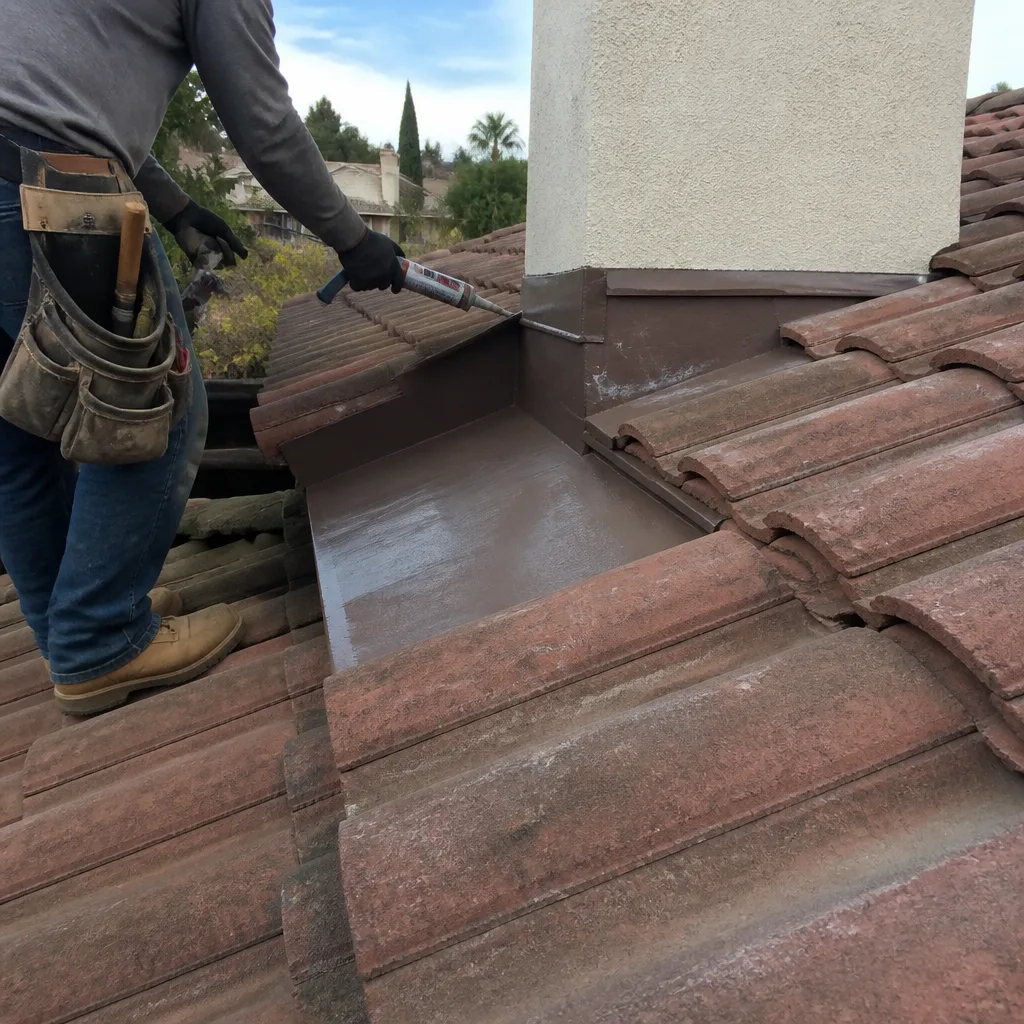
Homeowners see shingles curling, cracking, or lifting near a chimney, wall, or skylight and conclude the shingles themselves are failing. In reality, the shingles around a flashing point often look damaged because the flashing behind them has failed. When flashing corrodes, pulls away, or was poorly installed, water gets behind the shingles and causes them to warp and lift from the underside. Replacing the shingles without fixing the flashing solves nothing. The new shingles will fail the same way within a year or two. This is the single most common misdiagnosis we see in Yorba Linda, especially on homes built in the 1990s with original galvanized flashing that’s now rusting through.
2. “Leaking Vents” That Are Actually Cracked Pipe Boots
Plumbing vent pipes poke through the roof with a rubber collar around them, called a pipe boot. That rubber degrades under Southern California sun faster than almost any other roofing component. In Yorba Linda’s UV exposure, a pipe boot can crack and split in as little as five to seven years, long before the shingles around it show any wear. Homeowners see the water stain near a bathroom or kitchen ceiling and assume a vent cap or flashing problem, but the breach is almost always the rubber boot itself, a $30 part that fails silently. We work with replacement boots from manufacturers like Oatey and Perma-Boot, and the repair takes under an hour.
3. “Roof Leak” That Is Actually Condensation
In a hot attic with poor ventilation, moisture can condense on the underside of the roof deck, especially during cold winter nights when indoor heat escapes into the attic space. That condensation drips onto insulation and drywall, producing stains that look identical to a roof leak. But there’s no breach in the roof at all. The fix is ventilation and air-sealing, not roofing work. We’ve inspected many Yorba Linda homes where a previous contractor sold a homeowner a re-roof over a condensation problem that a ridge vent and some baffles would have solved for a fraction of the cost. Before anyone recommends a repair, the attic needs to be checked for moisture patterns that don’t connect to any roof penetration.
4. “Old Roof” That Is Actually a Localized Failure
Roofs don’t fail uniformly. A thirty-year roof might have twenty-five years of life left across ninety-five percent of its surface, while one section near a valley or a chimney flashing has failed five years early due to poor installation or a design flaw. Homeowners see granule loss, staining, or missing shingles in one area and assume the whole roof is done. In many cases, a targeted repair is the honest fix. The decision hinges on whether the surrounding shingles are still sound and whether the underlying decking is intact. We’d rather repair a section than sell a full replacement, which is why our Roofing Cost Breakdown: The Yorba Linda Homeowner’s Reference for 2026 helps homeowners understand when repair makes financial sense. From a single damaged shingle to a full tear-off, the same crew handles it, so the recommendation comes from what we see, not what we’d rather sell.
5. “Storm Damage” That Is Actually a Flashing Boot Failure
A rainstorm comes through Yorba Linda, and suddenly there’s a drip in the hallway. It’s natural to blame the storm, but in most cases, the storm didn’t damage the roof at all. It exposed an existing failure that had been waiting for enough water pressure. Flashing that was already pulling away, a pipe boot that was already cracked, a seal that failed months ago but hadn’t been tested, these are the real culprits. The storm just revealed them. This matters because insurance claims for “storm damage” often get denied when the adjuster finds a maintenance issue instead. Knowing which one you’re dealing with before you file a claim can save you weeks of back-and-forth.
Active Leak, Historic Stain, or Condensation: How to Tell
Three completely different conditions produce similar-looking stains on a ceiling, and the repair path for each is unrelated. Mistake the type, and you’ll pay for the wrong fix. Here’s how to distinguish them.
Active Leak
- Appears: During or immediately after rain. May worsen with heavier rainfall.
- Feel: Damp or wet to the touch. May bead water if the rain is ongoing.
- Pattern: Grows over time along a vertical or horizontal path. Often single, not clustered.
- Color: Darker at the center, with a lighter ring around it, fresh water stains look darker than old ones.
Historic Stain
- Appears: Doesn’t change during rain. Stays the same size and shape for months or years.
- Feel: Dry. May be slightly crusty from mineral deposits left behind as water evaporated.
- Pattern: Often circular or ring-shaped. Edges are soft and feathered rather than sharp.
- Color: Yellowish or brownish. An old water stain looks like coffee or tea marks on the ceiling.
Condensation-Driven Moisture
- Appears: Cool, damp mornings. Mornings after a cold night, regardless of whether it rained.
- Feel: Damp over a broad area, not a single point. May feel cool rather than drippy.
- Pattern: Spreads in patches. Often appears near the edges of rooms or under attic access hatches.
- Color: Faint, diffuse. Rarely forms a defined stain line. May leave a fine dusty residue.
If you’re unsure which one you’re looking at, mark the perimeter of the stain with a pencil line. Wait for the next rain. If the stain spreads past the line, it’s an active leak. If it stays put, you’re looking at history. If it appears on dry nights when the temperature drops, condensation is your culprit. This single test costs nothing and prevents misdiagnosis. When we inspect a roof in Yorba Linda, this is often the first piece of triage we do, because it determines whether we even need to go on the roof at all.
DIY Triage: What Buys You Time and What Makes It Worse
There’s a narrow set of temporary measures a homeowner can take safely and usefully, and a much larger set of DIY attempts that make the eventual professional repair more expensive. Knowing which is which is the difference between a $400 repair and a $4,000 one.
What’s Worth Doing
- Tarping a known breach. If you can clearly identify where water is entering, a properly secured tarp can prevent further damage until a roofer arrives. The key is to extend the tarp at least two feet above the breach and tuck it under the ridge cap or a course of shingles so wind doesn’t lift it. Use wood strips and roofing nails, not just ropes and cinder blocks.
- Photographing everything. Take photos of the interior stain, the attic trail, and the exterior roof area above it. These photos speed up the professional diagnosis and give you a baseline for insurance purposes if you end up filing a claim.
- Moving valuables and furniture away from the drip. Water damage is already happening. Keeping your belongings out of the path prevents the claim from growing.
- Placing a bucket under an active drip. This won’t stop the leak, but it prevents the water from spreading across the floor and soaking into baseboards and subflooring.
What Makes It Worse
- Spray-on sealants over a shingle field. Applying hardware-store roof patch spray or paint over a section of shingles traps moisture behind the coating. That moisture accelerates shingle deterioration and rots the decking underneath, turning a simple shingle repair into a structural deck replacement. We’ve seen DIY roof coatings cause more damage than the original leak ever would have.
- Caulking over flashing you can’t see clearly. Flashing failures often involve rust, improper overlap, or missing pieces. Covering the visible edge with caulk doesn’t fix any of those underlying problems. It just buries them.
- Nailing down lifted shingles without re-sealing them. A shingle that’s lifted must be resealed to the one below it. If you nail it flat without proper adhesive, the nail holes themselves become new leak points, and the shingle will lift again in the first wind event.
- Walking on a steep roof without proper ladder support. This one needs to be said plainly: roofs kill people. Every year, homeowners fall from roofs attempting repairs that were outside their physical ability or the roof’s safe work angle. High-slope roofs, wet shingles, and loose granules are a genuinely dangerous combination. If the roof pitch is steep enough that you need to lean into it to walk, that’s the sign you need a professional with proper safety equipment.
The honest guidance is this: temporary water management, yes. Diagnostic photography, yes. Actual repairs to the roof membrane or flashing, leave to someone who’s trained. In Yorba Linda, where many homes have concrete tile roofs installed by the original builder, the temptation to swap a cracked tile yourself is strong. But concrete tile is extremely slick and brittle, and walking it wrong cracks more than you fix. We’d rather come out for a quick inspection than watch a homeowner turn a single cracked tile into a patchwork of broken ones.
What to Have Ready Before You Call a Roofer
You can cut an entire phone call in half and get a faster, more accurate estimate by having five pieces of information ready before you pick up the phone. This is the exact information we ask for on every call, because the diagnosis starts before anyone gets on a ladder.
- Photos of the interior stain. Take a wide shot showing the stain’s location in the room, plus a close-up. These tell us whether we’re looking at an active leak or a historic stain before we even schedule the visit.
- Photos of the attic trail. If you can safely access the attic, photograph the rafter and sheathing above the stain. The trail tells us which direction the water traveled, which narrows the search radius on the roof by ninety percent.
- The age of your roof. If you know it, great. If you don’t, tell us the year the home was built and whether the roof has ever been replaced. In Yorba Linda, many original roofs are now twenty to thirty years old, and that context changes the repair-versus-replace conversation significantly.
- The roof material. Asphalt shingle, concrete tile, clay tile, metal, or flat. We work with all of them, across every major manufacturer including GAF, CertainTeed, and Tamko, but the material dictates the repair approach before we even see the roof.
- A note on when the leak appears. During heavy rain only? Light drizzle? Only on cold mornings? This timing is often the most diagnostic clue we get, because it separates wind-driven rain leaks from saturation leaks from condensation.
If you can gather these five items, you’ll be prepared for a conversation that starts with real information rather than guesswork. That’s the same standard we hold ourselves to when we do a Roof Repair in Yorba Linda: diagnose first, recommend second.
Repair or Replace: The Honest Decision Path
Every homeowner facing a roof problem asks the same question: do I need a repair, or am I looking at a full replacement? The honest answer is a decision path, not a guess, and it runs through four questions.
1. What’s the roof’s remaining lifespan?
If you have a thirty-year asphalt shingle roof that’s five years old and you’ve got a flashing leak at the chimney, the answer is almost certainly a repair. The metal flashing failed early, but the shingles have twenty-five years of life left. Replacing the whole roof would waste money. If the same roof is twenty-eight years old with failing shingles across multiple slopes, a repair just postpones the inevitable and may cost you more in cumulative patches than a replacement would cost now. Be honest with yourself about the roof’s age, and don’t let a contractor talk you into a full replacement over a five-year-old roof.
2. Is the damage localized or systemic?
A localized failure is one breach in one place with the surrounding roof in good condition. A systemic failure is the same problem appearing in multiple places: flashing failing at three penetrations, granules washing off the entire south slope, shingles lifting in five different sections. If we’re seeing the same failure pattern repeated across the roof, repairing each one individually is a losing game. You’ll pay for five repairs over five years when one Roof Replacement in Yorba Linda would have solved it once.
3. What’s the decking condition underneath?
We can’t know this until we pull back the roofing material, but it’s the deciding factor. If water has been getting through for years and the plywood or OSB decking underneath is rotted, soft, or delaminating, a simple patch over compromised decking won’t hold. The decking has to be replaced before the roofing can be. In some cases, this pushes the cost calculation toward replacement, especially if large sections of decking are involved.
4. What does the insurance company say?
If you have storm or wind damage covered by your policy, the insurer’s adjuster will weigh in on whether they’ll pay for a repair or a replacement. Knowing your roof’s age and condition before the adjuster arrives helps you make sure you’re getting a fair assessment. We’ve worked with homeowners across Yorba Linda on insurance claims, and the ones who had their own documentation, photos, and a clear understanding of the damage before the adjuster showed up consistently got better outcomes.
The repair-first philosophy is not a marketing line. It’s a diagnostic position. If a roof can be repaired honestly and safely, we’ll tell you. Replacement should be a last resort, not a default upsell. That’s true whether you’re dealing with Boral concrete tile, CertainTeed asphalt shingles, or any other brand in between.
Yorba Linda Roofing: Climate, Codes, and Common Patterns
Yorba Linda has a specific roofing profile that shapes the kinds of problems homeowners see. The city sits at a slightly higher elevation than surrounding Orange County communities, which means cooler winter nights and hotter summer days. That temperature swing puts real stress on roofing materials, particularly rubber components like pipe boots and sealants that expand and contract repeatedly.
The most common failure pattern we see in Yorba Linda is cracked pipe boots on the southwest-facing roof slope, where afternoon sun exposure is most intense. UV radiation degrades the rubber collar until it splits, and the first significant winter rain finds the breach immediately. This is a five-to-seven-year failure cycle on many homes, which means a house that had its pipe boots replaced in 2018 is likely due again.
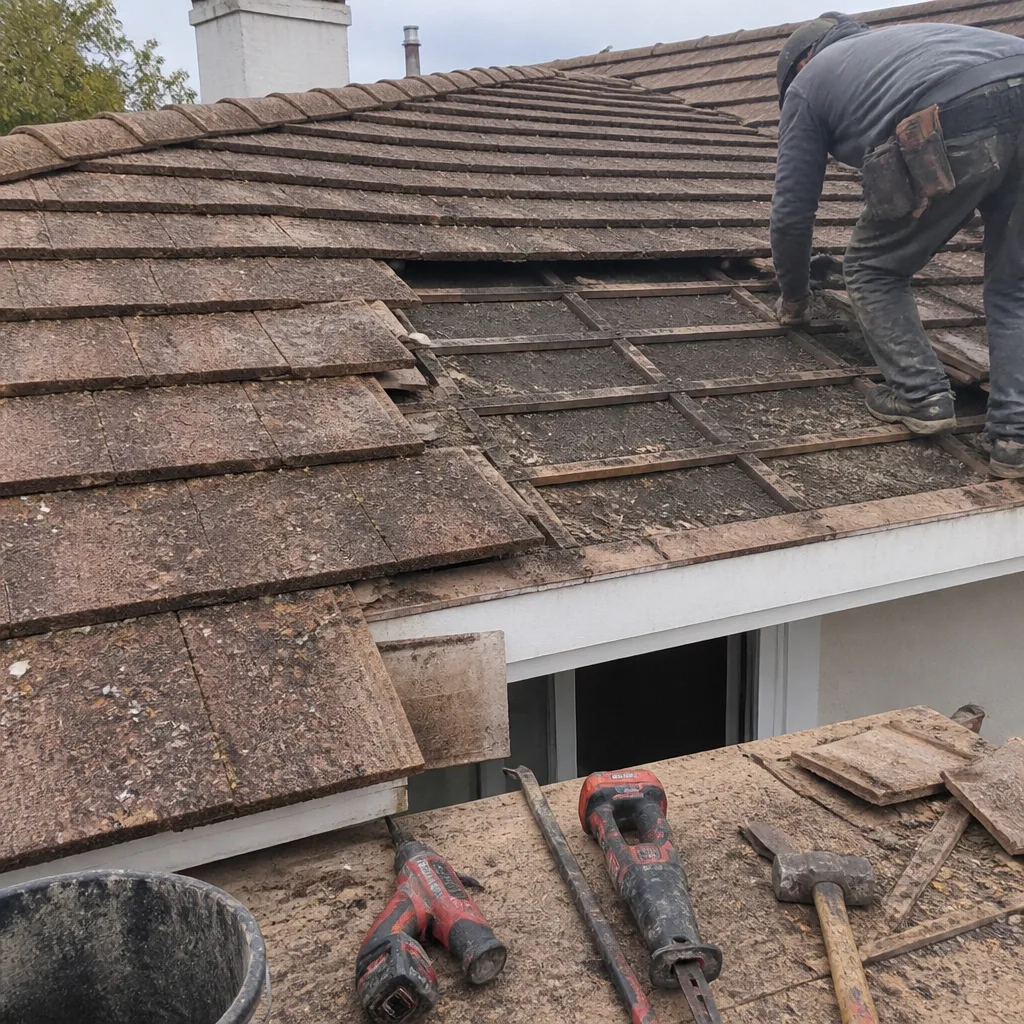
Yorba Linda is also a concrete tile city. Many neighborhoods, particularly the older sections around the central part of town, were built with concrete tile roofs that are now thirty or forty years old. Tile itself lasts a very long time, but the underlayment beneath it does not. When we see a tile roof leaking, the cause is almost never the tile. It’s the paper or synthetic underlayment that has degraded after decades of heat cycles. Repairing a tile roof leak typically means pulling tile in the affected area, patching or replacing the underlayment, and re-setting the tile. That’s a specialized repair, not a job for a generalist roofer.
Roof permits in Yorba Linda are required for any roof work that involves structural changes or re-roofing beyond a certain square footage. Simple repairs, like replacing a few shingles or a pipe boot, generally don’t require a permit. But the moment the job crosses into decking replacement or a complete re-roof, the permit process kicks in. A legitimate contractor will tell you when a permit is needed and will handle it. If someone offers to re-roof your house without one, that’s a red flag, not a bargain.
Wind exposure is another factor. Yorba Linda sits close enough to the Santa Ana wind corridor that certain roof sections, particularly the north and east-facing slopes, see repeated uplift stress during fall wind events. Shingles that are properly sealed survive these winds for decades. Shingles that were installed in cold weather or by a crew that didn’t press them into the sealant line will lift the first time the wind blows. This is why wind-damage calls spike in October and November here.
The repair patterns in Yorba Linda are predictable enough that we can often diagnose a roof problem over the phone based on the home’s age, the roof’s orientation, and the location of the interior stain. Homeowners who’ve lived here long enough can usually do the same, once they know what they’re looking at.
Common Mistakes to Avoid
- Assuming the ceiling stain is directly below the leak. Water travels along rafters and sheathing before it drops. Trace the path in the attic before you let anyone patch anything.
- Painting over a water stain without fixing the cause. The stain will bleed through the paint within months. Kilz will cover it temporarily, but if the leak is still active, you’re just applying concealer to a wound that’s still bleeding.
- Replacing shingles near flashing without fixing the flashing. This is the number one repeat-repair call we get in Yorba Linda. The flashing is the problem. New shingles just cover it up until the next rain.
- Waiting for a “big enough” leak before calling. Small leaks rot decking quietly for years. By the time the stain is large enough to feel urgent, the underlying damage is already done. Call at the first sign, not the fifth.
- Filing an insurance claim before knowing whether it’s actually a covered loss. A denied claim still sits on your insurance record and can affect your premiums. Diagnose first, file only if you have a genuine covered loss.
- Letting a contractor make the repair-versus-replace call without seeing the attic. Anyone who recommends a full replacement without inspecting the attic trail and the decking condition is guessing. Walk away from that estimate.
- Choosing a roofer based on brand name with no local presence. A national franchise with no shop in Yorba Linda will subcontract your repair to whoever is available that week. You want the person who’s actually doing the work to be the same person who diagnosed the problem.
When to Call a Professional
You should call a professional when the leak involves a roof penetration, flashing, or valley, because these are the highest-failure areas and the most commonly misdiagnosed. You should also call when the roof pitch is steep enough that you’d need to lean into the slope to walk it safely, when the decking underneath the roofing material is visibly damp or rotted from the attic side, or when the same leak has come back after a previous DIY repair attempt. If you’ve got a concrete tile roof, always call a professional; walking tile cracks it, and cracked tile creates new leaks that weren’t there before you went up. Weston Roof Repair offers free estimates in Yorba Linda. Call (833) 589-6925 and we’ll diagnose the problem before we ever quote you a number. You can also learn more about our approach on the Weston Roof Repair home page.
Frequently Asked Questions
Roof repair in Yorba Linda typically ranges from $250 to $800 for common fixes like pipe boot replacement or a few shingles, and $800 to $2,500 for more involved work like flashing repair, valley work, or underlayment patches on tile roofs. Concrete tile repairs run higher because they require careful tile removal and re-setting. The exact number depends on what’s actually wrong, which is why we diagnose before we quote. Call (833) 589-6925 for a free estimate based on your specific roof.
You can temporarily manage a roof leak by tarping the breach, moving valuables, and photographing the damage for documentation purposes. You should not attempt actual repairs on flashing, pipe boots, underlayment, or shingles unless you have roofing experience, because homeowner repairs are a leading cause of escalated damage. The risk isn’t just the roof damage. Walking a roof without proper safety equipment is genuinely dangerous, especially on tile or steep slopes.
You should not wait longer than it takes to get a roofer out, ideally within a few days to a week for an active leak. While a leak is active, water is saturating insulation, soaking into drywall, and potentially reaching your decking. Decking rot begins long before you see it, and by the time the stain looks serious, the structural damage may already be done. In Yorba Linda’s dry season, the temptation is to postpone the repair because it isn’t raining. But the next rain is coming, and it finds every unfixed breach.
Homeowners insurance covers roof repair when the damage is caused by a covered peril, like a storm, falling tree, or fire. It does not cover damage caused by ordinary wear and tear, aging, or deferred maintenance, which is what most roof problems actually are. A cracked pipe boot that leaked because it aged out is maintenance. A windstorm that ripped shingles off is covered. Knowing which category you’re in before you file a claim saves time and protects your premium history.
You need a repair when the damage is localized, the surrounding roof is in decent condition, and the decking underneath is still sound. You need a replacement when the same problem is appearing in multiple places, the roof is near or past its expected lifespan, or the decking has rotted to the point where patch repairs won’t hold. A legitimate roofer will inspect the attic trail and the decking before recommending either one, and will show you the evidence for their conclusion.
In Yorba Linda, the most common roof problems are cracked pipe boots from UV degradation, failed flashing at chimneys and walls on homes built in the 1990s and early 2000s, and underlayment failure beneath concrete tile roofs that are thirty or more years old. Santa Ana wind events also cause seasonal shingle lift on north and east-facing slopes. These patterns are predictable enough that an experienced local roofer can often diagnose the problem from photos and a description before even getting on the ladder.
The Bottom Line
Roof troubleshooting is a diagnostic discipline, not a guessing game. The stain on your ceiling tells you where the water stopped, not where it entered. Flashings fail more often than shingles do. Condensation looks like a leak but isn’t one. Most roofs that are leaking can be repaired for a few hundred dollars by someone who traces the water path honestly before recommending anything. The most valuable thing you can do as a homeowner is document what you see, understand the difference between a repair and a replacement scenario, and call a roofer who treats the problem as a diagnosis rather than a sales opportunity. For more guides & resources, visit our blog. That’s the standard we hold ourselves to in Yorba Linda, and it’s why we make the inspection the foundation of every repair we do.
Written by the team at Weston Roof Repair, serving Yorba Linda since 2015.
If you’ve got a ceiling stain, a missing shingle, or a roof that’s acting up after the last storm, call (833) 589-6925 for a free estimate. We’ll tell you what’s actually wrong, not what we’re hoping to sell you.
See the difference
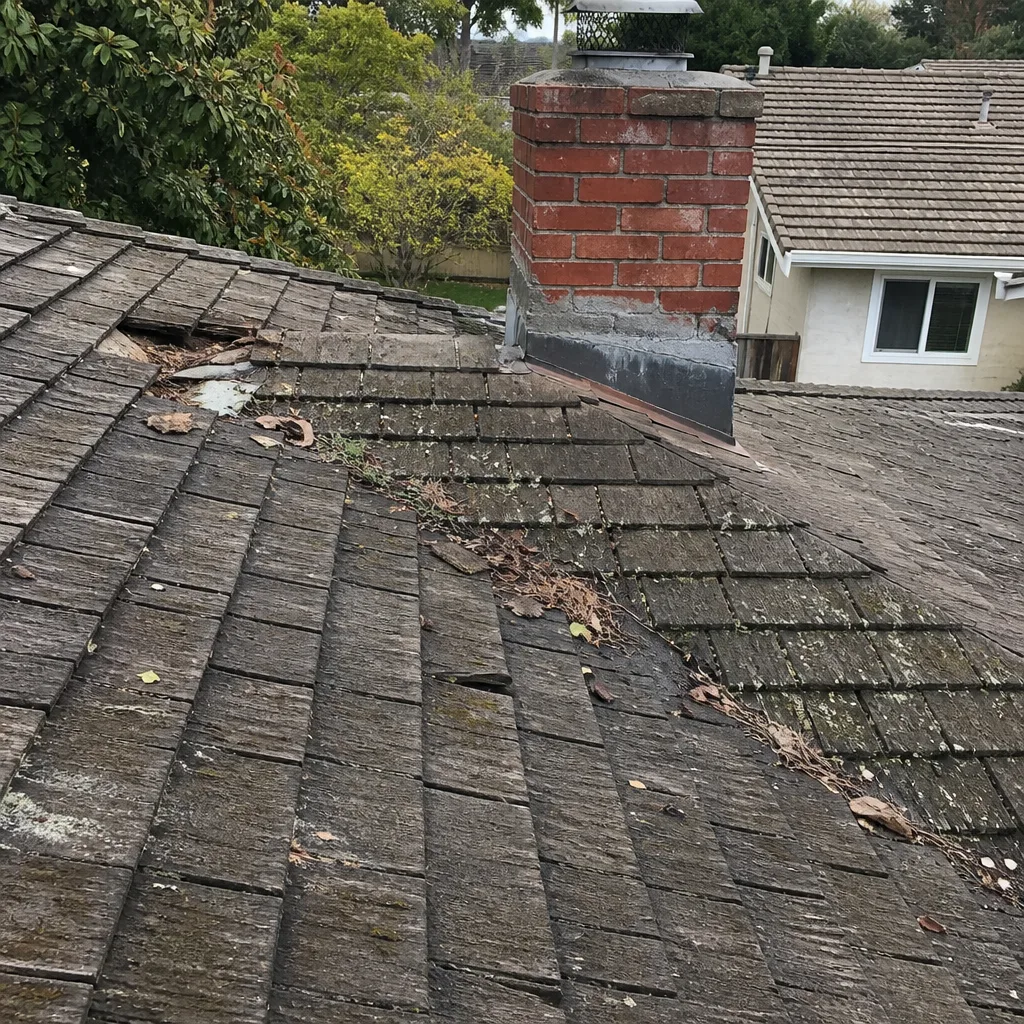 Before
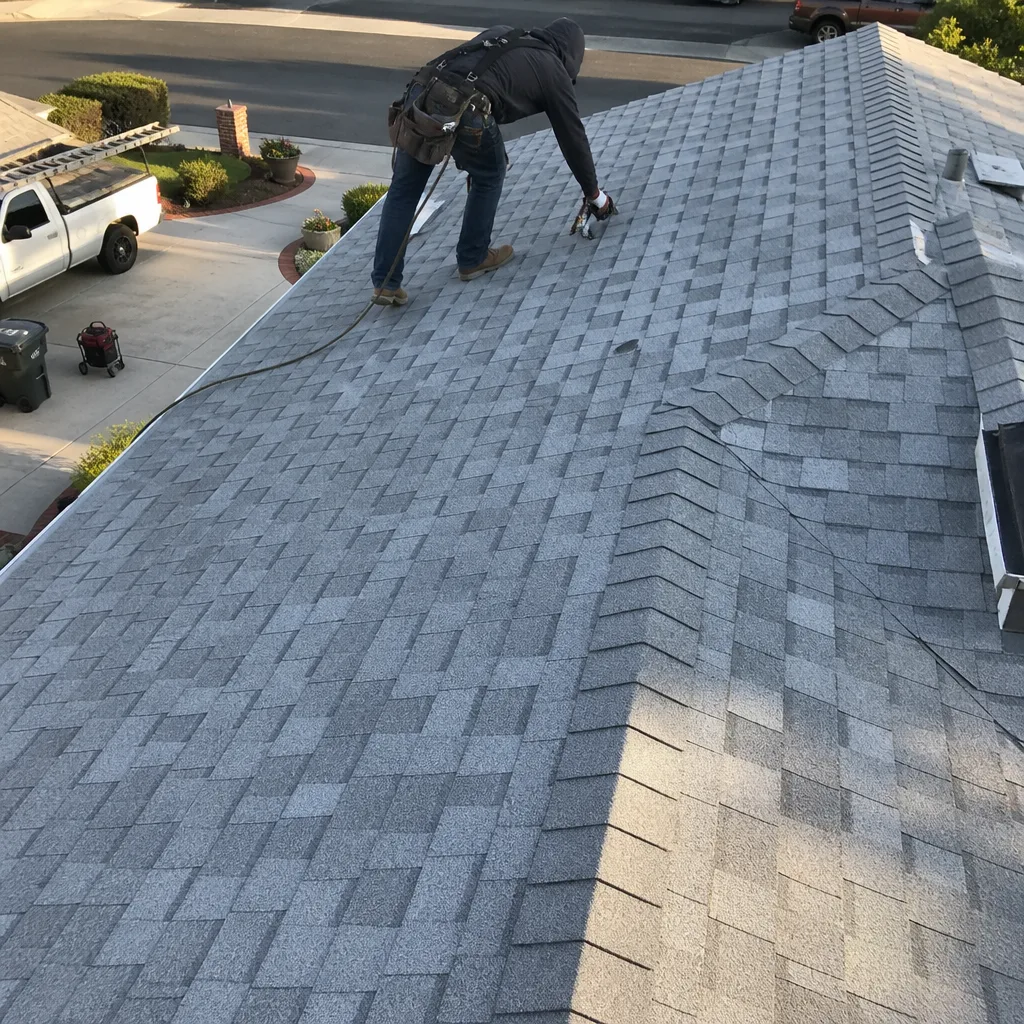 After
 Before
 After
 Before
 After